
What Is a Payment Ring? How Contactless Payment Rings Work
There is a small moment that repeats itself every day.
You are about to pay. Maybe for coffee before work, at the supermarket, or while travelling. You reach for your pocket, wallet, or phone, adjust what you are carrying, unlock a screen, and search for the right card. It only takes a few seconds, but it is still a step.
Modern technology often improves everyday life by removing small points of friction. That is exactly where a payment ring comes in.
What is a payment ring?
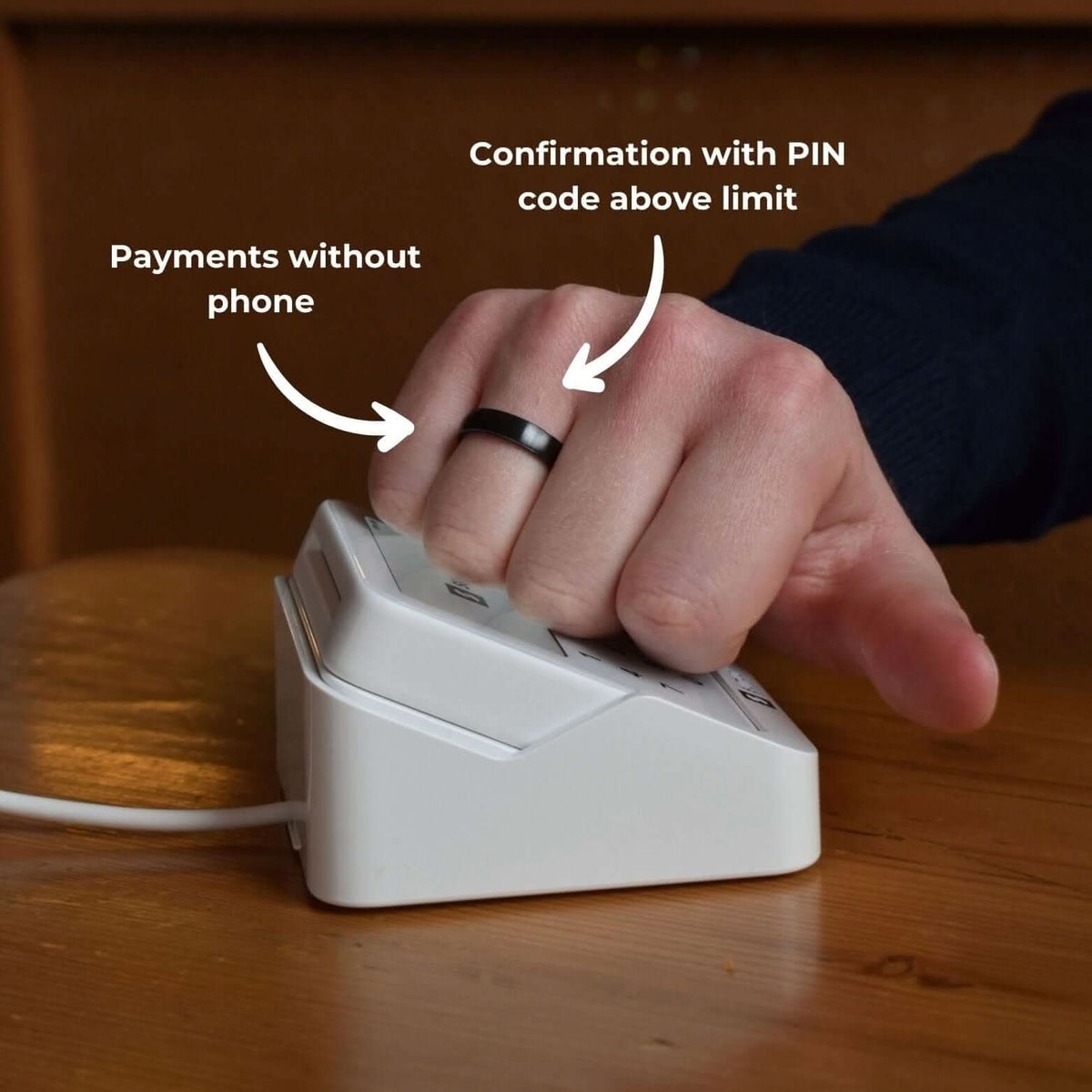
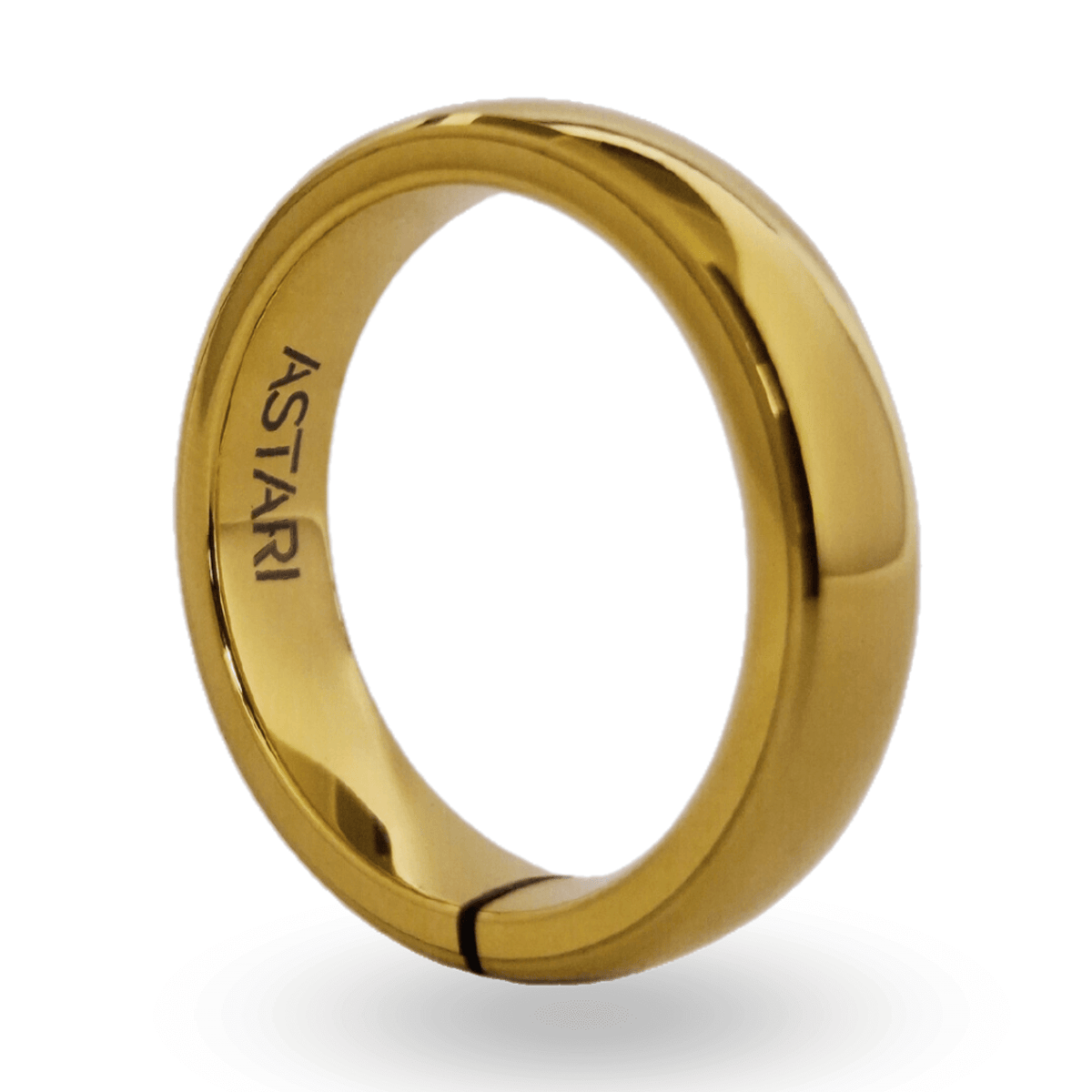
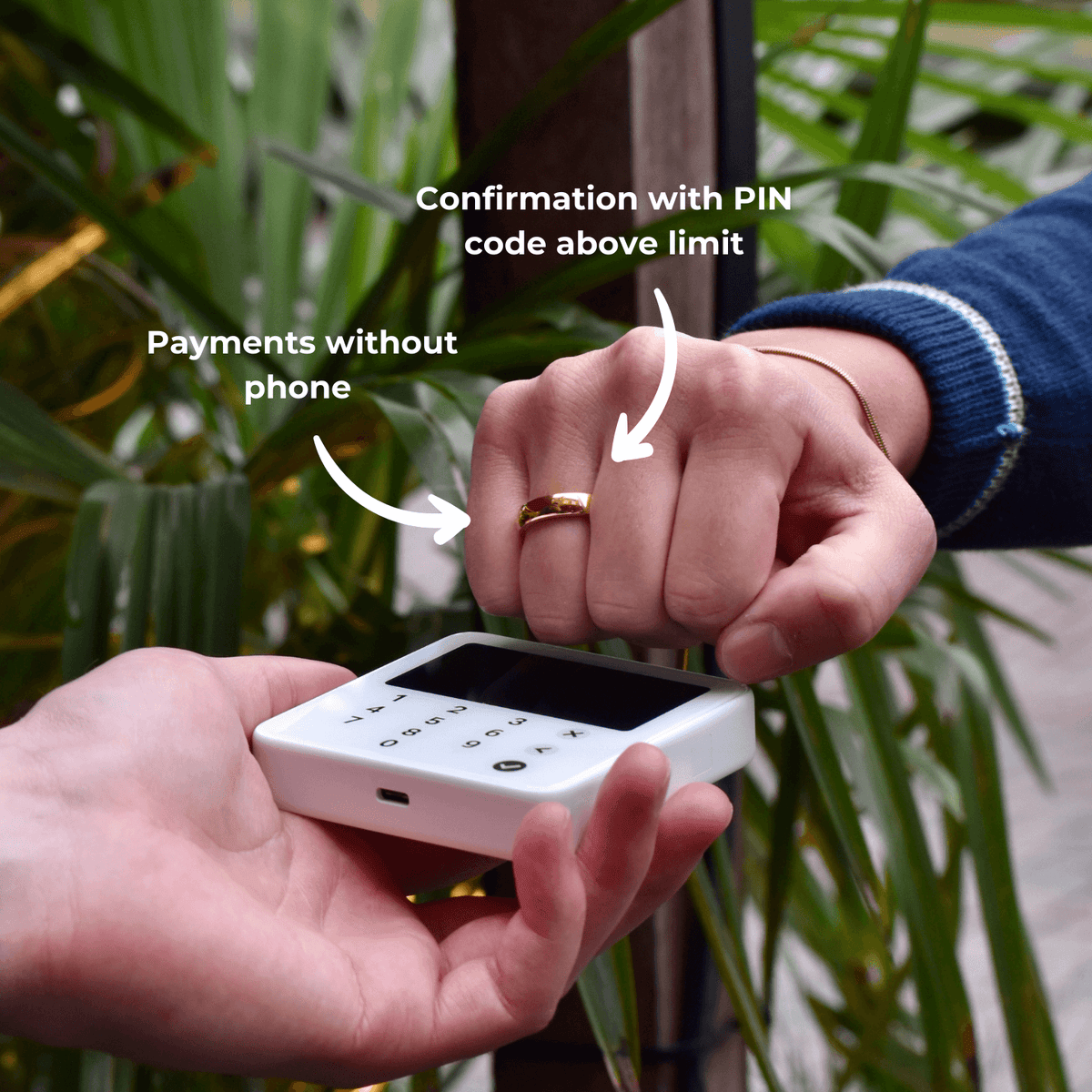
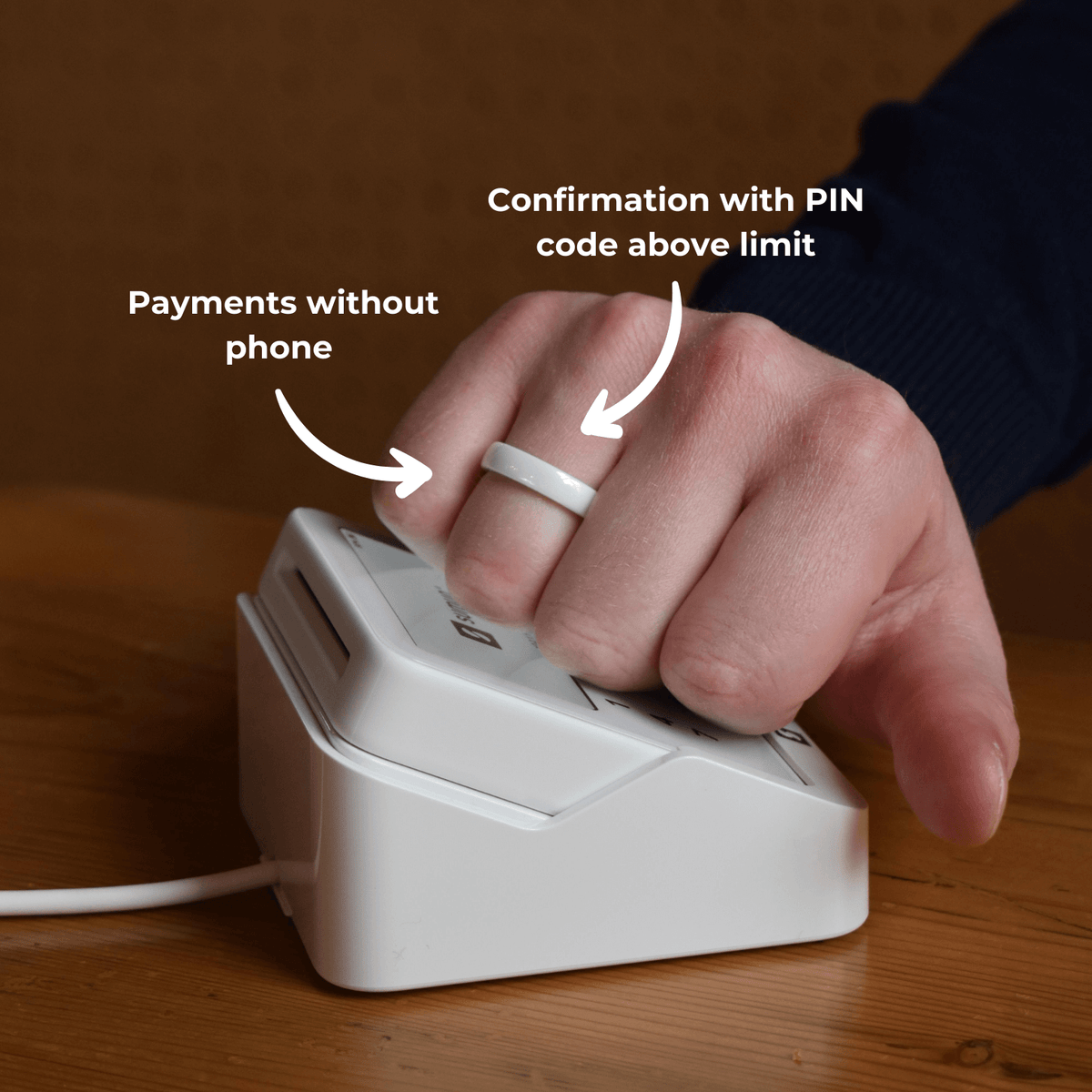
A payment ring is a contactless payment wearable that allows you to pay by tapping your hand at a compatible payment terminal. Instead of reaching for a bank card, wallet, or smartphone, you use a ring you are already wearing.
Inside the ring is a small NFC payment chip. NFC stands for Near Field Communication and is the same contactless technology used in contactless bank cards and mobile payments. When you hold the ring close to a terminal, the chip communicates securely with the payment reader and completes the transaction within seconds.
In simple terms, a payment ring gives you access to the same contactless payment infrastructure already used worldwide, but through something wearable rather than something you need to carry.
If you want a deeper technical explanation, you can read our complete guide on how a payment ring works or explore our wider payment wearables knowledge hub.
How does a payment ring work?
A payment ring works through passive NFC technology. The word passive matters because it explains why payment rings feel different from many smart devices.
Unlike smartphones, smartwatches, or other connected wearables, a passive NFC payment ring does not contain a battery, charger, Bluetooth connection, or screen. Instead, it briefly receives power from the payment terminal itself during the tap. That temporary energy allows the ring and terminal to communicate and securely process the payment.
The result is a payment wearable that is always ready. There is nothing to charge, nothing to switch on, and no software updates before making a payment. For many users, this simplicity becomes one of the biggest advantages.
In practice, paying with a ring is straightforward. You position the ring close to the reader and hold it still for a moment. Once the motion becomes familiar, paying feels fast and intuitive. We explain this further in our guide on how to pay with passive payment wearables.
Where can you use a payment ring?
You can use a payment ring anywhere compatible contactless card payments are accepted. Since payment rings use the same underlying contactless infrastructure as bank cards and mobile wallets, they fit naturally into the payment systems people already use every day.
In practice, this can include supermarkets, cafés, restaurants, shops, public transport systems, airports, hotels, and many other everyday payment locations. You do not need a special wearable payment terminal or dedicated Astari reader. If the terminal accepts compatible tap to pay card payments, a payment ring is designed to work in the same environment.
This is especially useful while travelling or moving through busy places. A ring stays accessible when your wallet is in a bag, your phone is stored away, or your hands are already full. You can explore this further in our guide to payment rings across Europe and our dedicated European payment rings hub.
Why are payment rings becoming popular?
Contactless payments are already part of daily life. Most people tap to pay with a card or phone without thinking about it. Payment rings build on that behaviour rather than asking users to learn an entirely new payment system.
You notice the difference in ordinary moments. Carrying groceries, travelling through stations, going for a run, heading to the gym, or simply wanting to make a quick purchase without reaching for your phone. In these situations, wearable payments become less about novelty and more about convenience.
For many people, a payment ring starts as something interesting or innovative. Over time, it becomes habit. Once paying is reduced to a simple tap of the hand, searching for a wallet or unlocking a phone can begin to feel unnecessary.
Who uses payment rings?
Payment rings are used by people who want everyday payments to feel simpler. That can include commuters moving through busy stations, travellers who prefer quick access while abroad, people who like carrying less, and convenience focused users who want a payment option that is always close at hand.
They also suit minimalist lifestyles and active routines. Runners, gym users, beach visitors, festival goers, and people who often leave the house without a wallet can all benefit from a payment wearable that stays on the hand. The appeal is not limited to one type of person. It is simply a practical option for anyone who values easy contactless payments.
Pay without a wallet or phone
One of the most common reasons people explore payment wearables is the ability to pay without carrying more than they need.
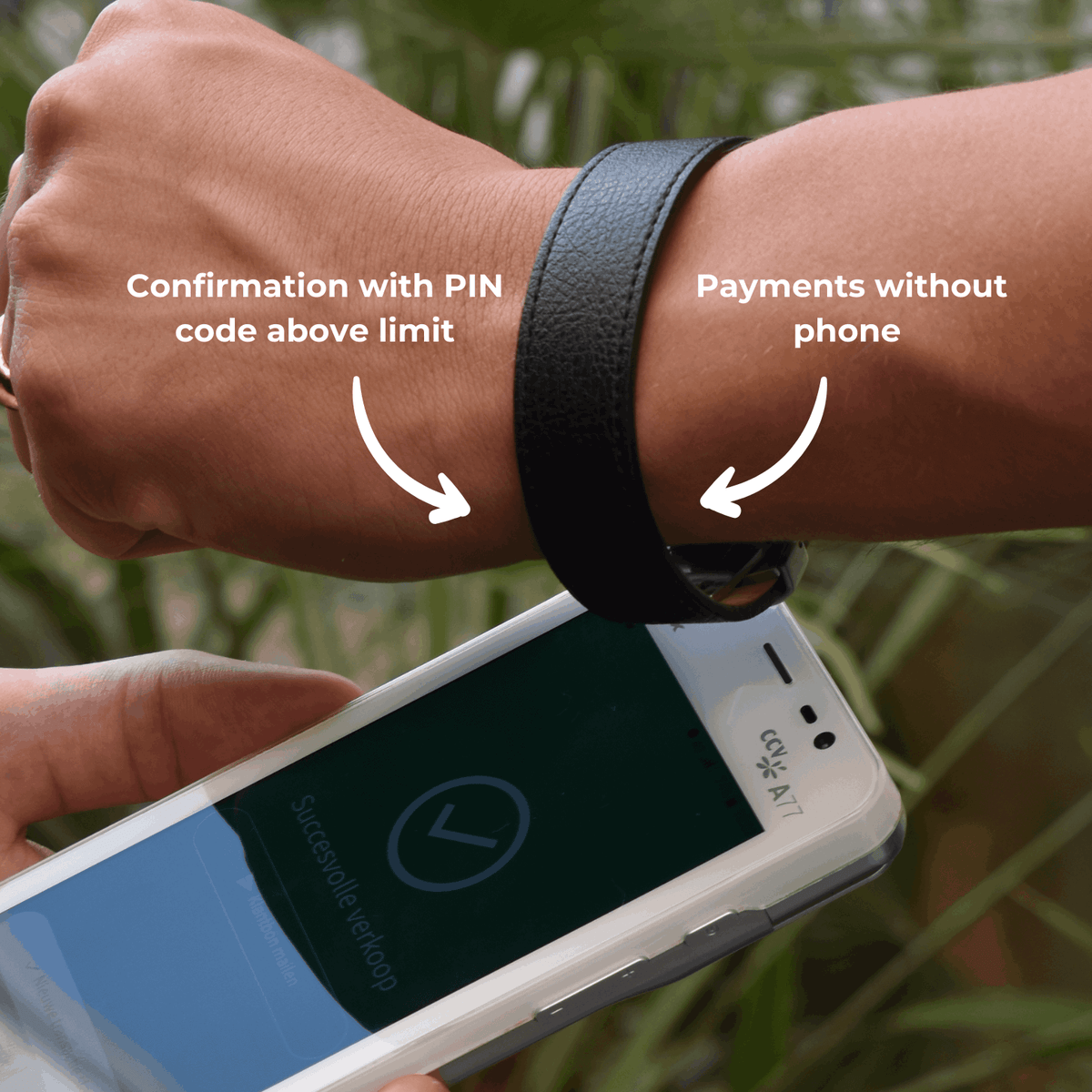
A payment ring makes this possible because it works independently once activated. You do not need to unlock your phone, open an app, or worry about battery life at the checkout. This makes payment rings especially practical during travel, sports, outdoor activities, festivals, beach days, or quick everyday errands.
That does not mean a payment ring replaces every payment method you own. Rather, it gives you another option that may feel simpler in certain situations. If this lifestyle approach interests you, read our guide on how to pay without a wallet or phone.
What makes a payment ring different from cards, phones, and smartwatches?
Cards, phones, smartwatches, and payment rings can all support contactless payments. The difference lies in the experience.
A contactless card is simple but still needs to be carried and taken out when paying. A smartphone offers flexibility but depends on battery life, unlocking, and having the device available. Smartwatches add convenience but also bring charging, software, screens, and notifications.
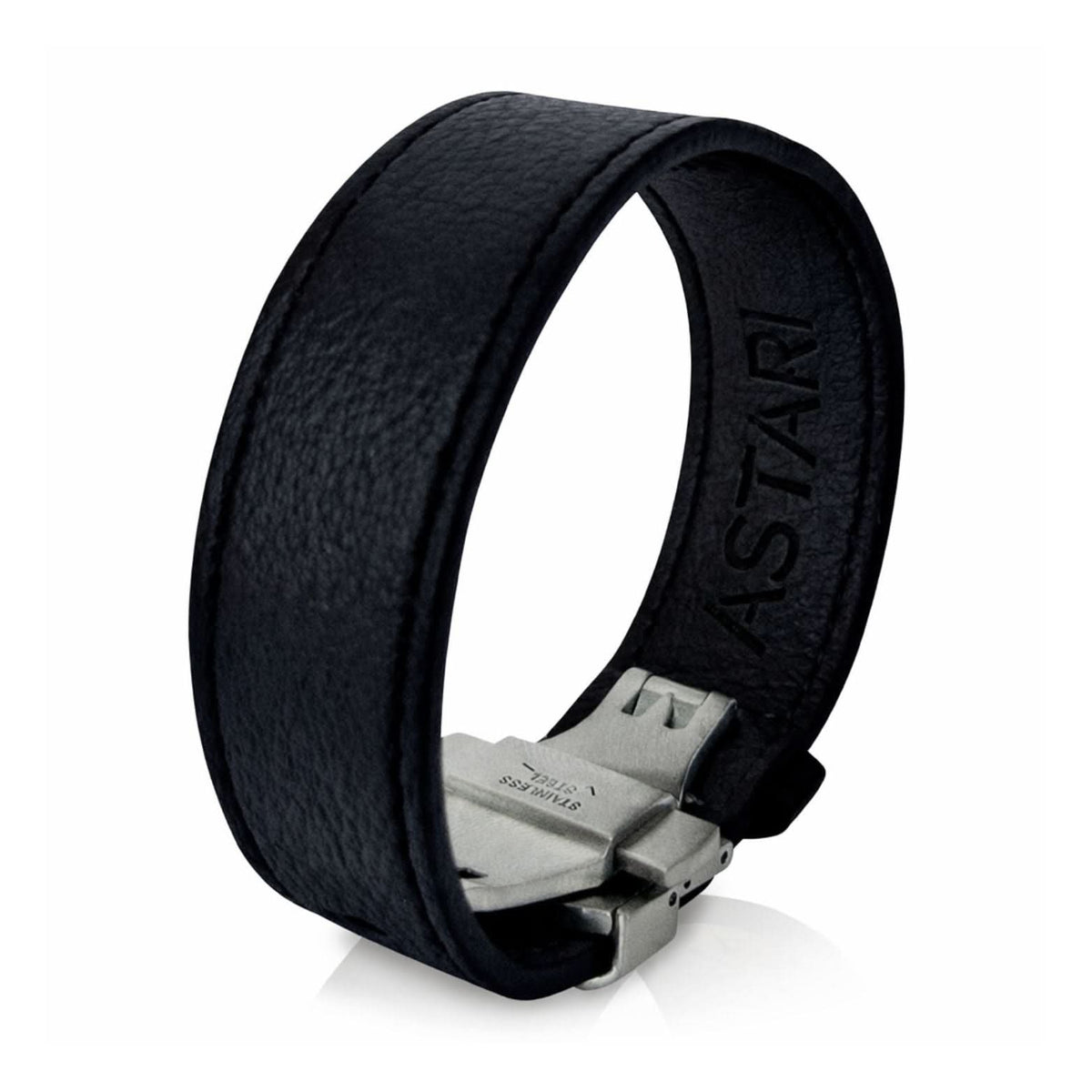
A payment ring takes a different approach. There is no battery, no charging cable, no screen, and no distractions. It is purpose built for contactless payments and nothing else. That minimalist design is precisely why many users prefer passive payment wearables.
If you are comparing payment methods, you may also want to read our articles on payment rings versus Apple Pay, payment rings versus smartwatches, and payment rings versus contactless cards.
Are payment rings safe?
Yes. Payment rings are designed around the same secure infrastructure used by modern contactless bank cards, while benefiting from the security systems already built into digital payments.
Most wearable payment systems use tokenized payment technology. In simple terms, this means your actual card details are protected during transactions rather than openly shared during everyday payments.
The ring itself does not continuously broadcast payment information. It only communicates when held close to a compatible payment terminal. Like contactless cards, payment limits or PIN verification may apply depending on your country, bank, and payment provider.
For many users, this familiarity creates confidence. A payment ring is not introducing an experimental payment system. It is accessing an existing and trusted one through a different form factor.
If you want to understand security in greater detail, read our guides on payment ring safety and NFC versus RFID technology.
Do payment rings work with your bank?
This depends on your bank, card provider, country, and supported payment systems. Before choosing a payment wearable, it is worth checking compatibility first.
You can review the latest information on our supported banks page. When you are ready to activate your wearable, follow our setup instructions or read the detailed guide on how to connect payment to your Astari wearable.
Which payment ring should you choose?
The right payment ring depends on your style, preferred material, and how premium you want the finish to feel.
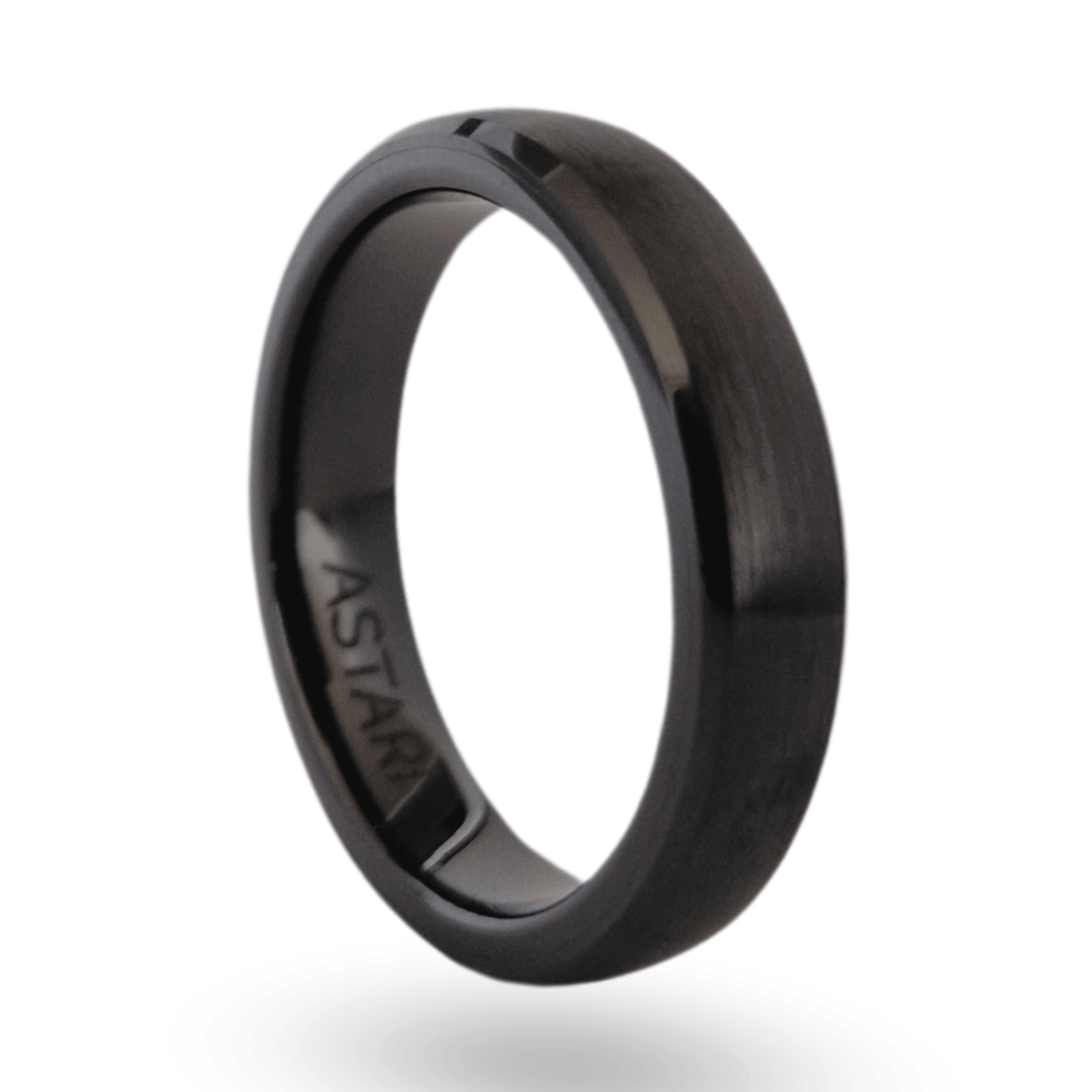
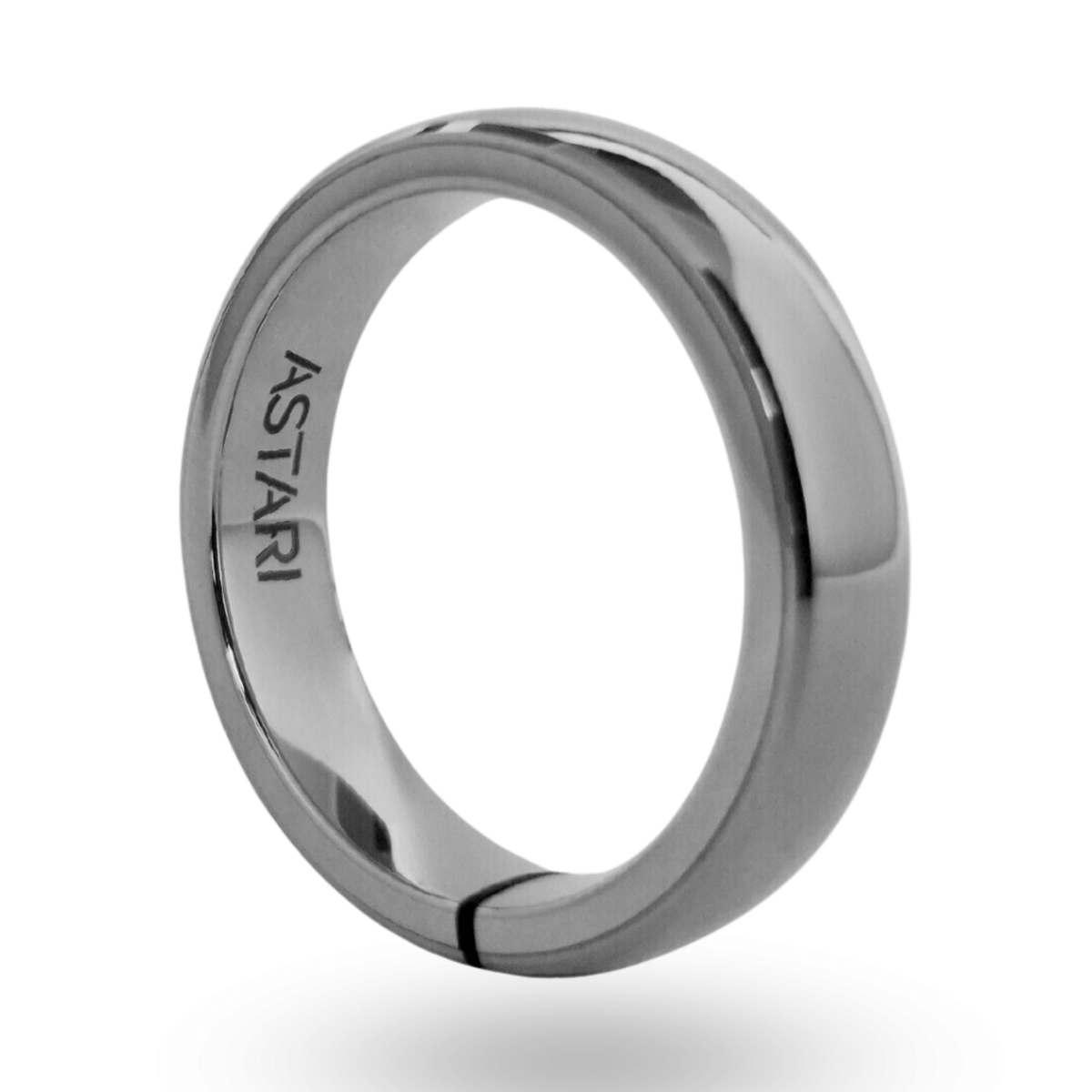
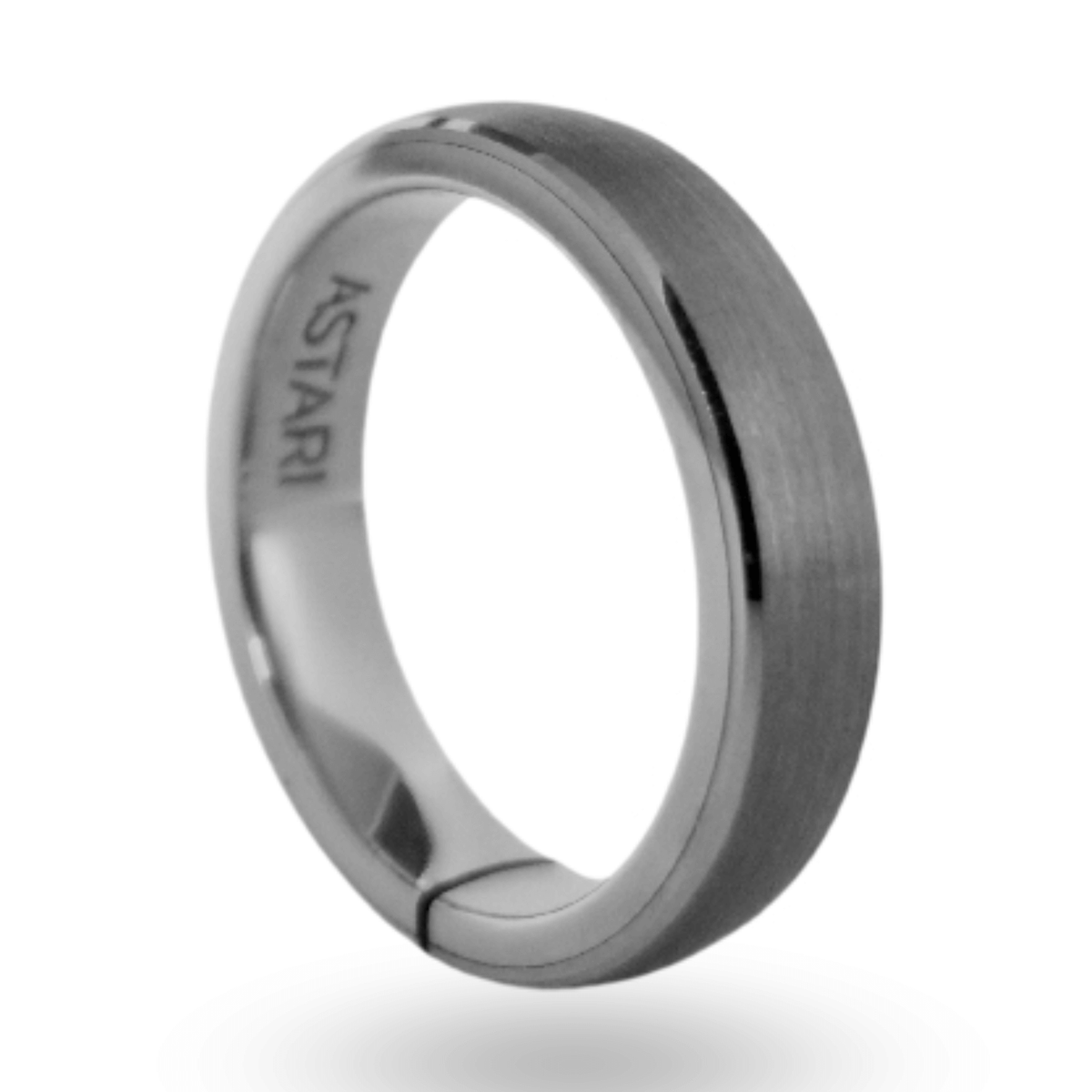
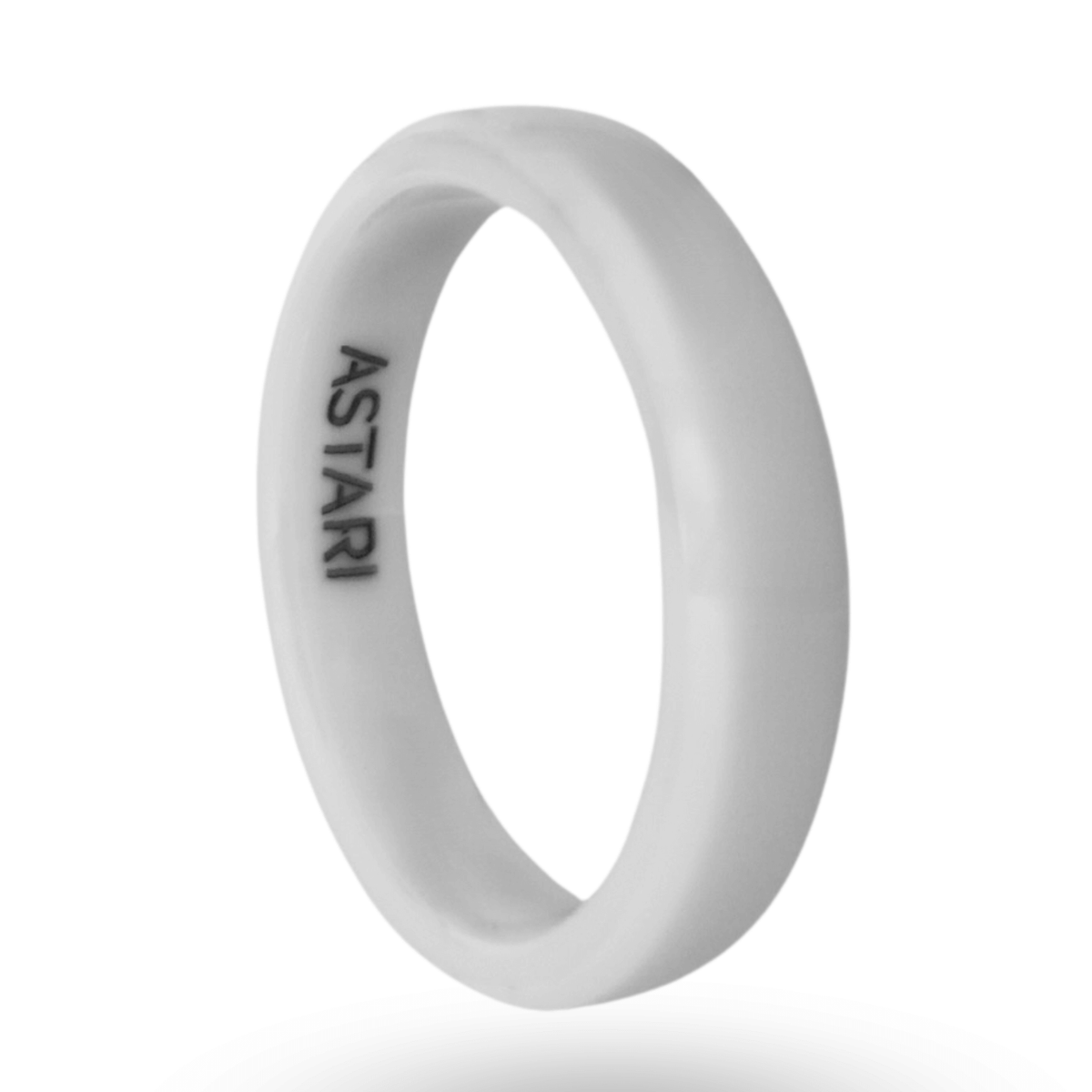
Astari offers several payment ring options designed around different preferences. Our ceramic rings provide an accessible entry into wearable payments and are ideal for everyday minimalist use. The Atlantis Black payment ring offers a brushed appearance, while the Atlantis White payment ring provides a clean glossy finish.
For a more premium look, our ceramic core rings with metal plating combine durability with refined design. Explore the Atlantis Silver Ceramic payment ring and Atlantis Gold Ceramic payment ring.
For the most premium finish and flagship feel, Astari also offers full metal payment rings including the Atlantis Silver Metal payment ring and Atlantis Gold Metal payment ring.
You can explore the complete payment rings collection to compare styles and finishes.
Frequently asked questions about payment rings
Many of the most common questions about payment rings are practical. People want to know where they work, whether they are safe, whether they need charging, and whether they can be used without a phone.
What is a payment ring?
A payment ring is a wearable device that allows contactless payments through NFC technology by tapping your hand at a compatible payment terminal.
How does a payment ring work?
Payment rings use passive NFC technology. The terminal briefly powers the chip inside the ring to complete a secure transaction.
Where can you use a payment ring?
You can use a payment ring anywhere compatible contactless card payments are accepted, including many supermarkets, cafés, restaurants, shops, travel locations, and everyday payment terminals.
Do payment rings need charging?
No. Payment rings do not contain batteries and never require charging.
Are payment rings safe?
Yes. They use secure payment systems similar to modern contactless bank cards. Learn more in our guide on payment ring safety.
Can you use a payment ring abroad?
In many cases, yes. Payment rings work anywhere compatible contactless payments are accepted, depending on your payment setup and bank.
Can you pay without your phone?
Yes. Once activated, a payment ring works independently for contactless payments.
Do payment rings work with my bank?
Compatibility depends on your bank and payment provider. Always check our supported banks page first.
Are payment rings waterproof?
Yes. Astari payment rings are designed for daily wear. You can find more information on our FAQ page and troubleshooting page.
A small change that becomes second nature
At first, using a payment ring feels different. You notice it, think about it, and perhaps even show it to someone the first few times you pay.
Then something changes.
You stop thinking about the technology and simply continue with your day. That is usually the moment people realise what wearable payments are really about. Not replacing technology for the sake of it, but making everyday payments feel simpler.