
Payment Ring Europe. How Contactless Rings Work Across the EU
There is something interesting about how quickly contactless payments became normal in Europe.
Not long ago, tapping your card felt new. Now, it is something most people do without thinking.
And that is exactly why payment rings are starting to make sense.
They do not introduce a new system.
They simply make the existing one easier to access.
What is a payment ring and how does it work in Europe
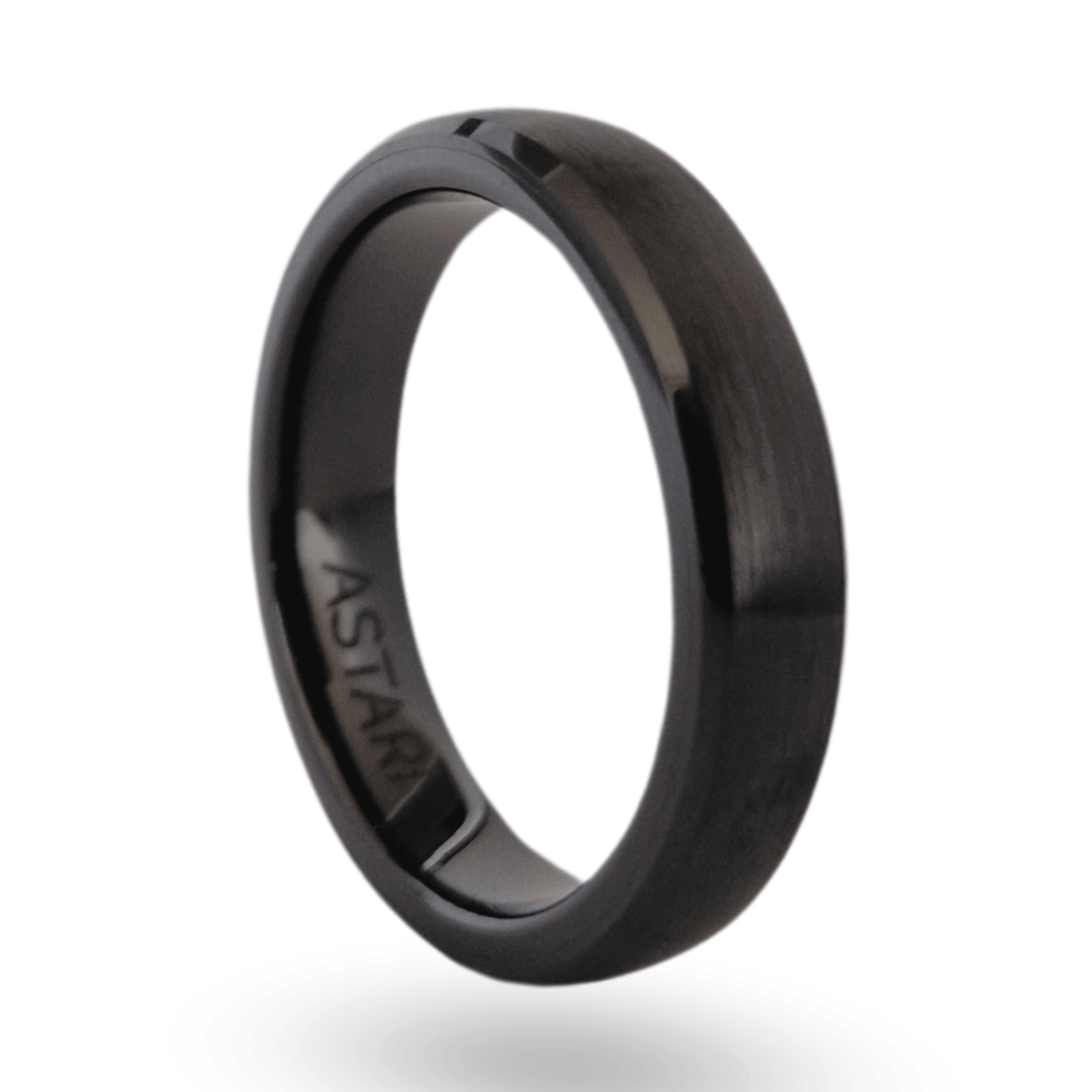
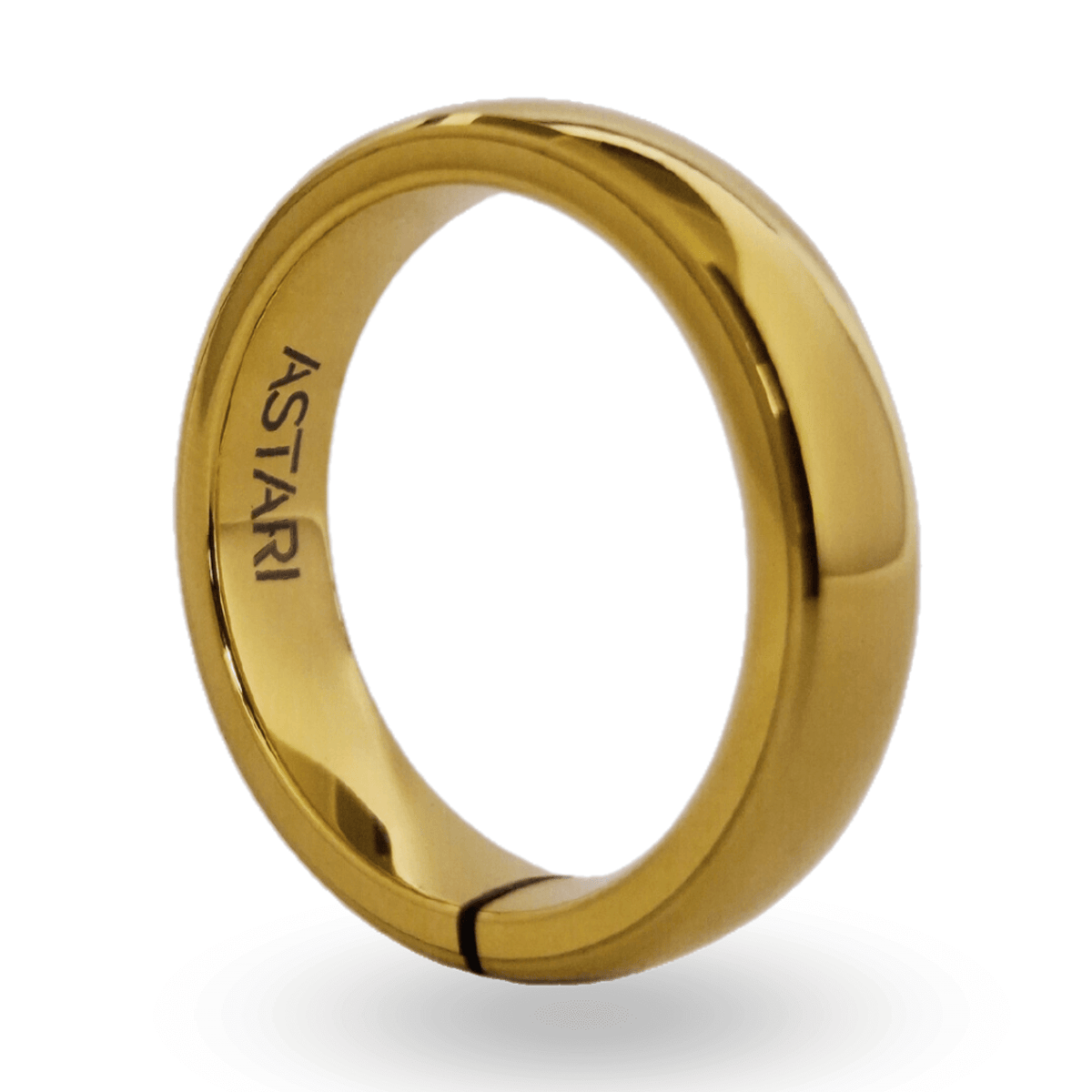
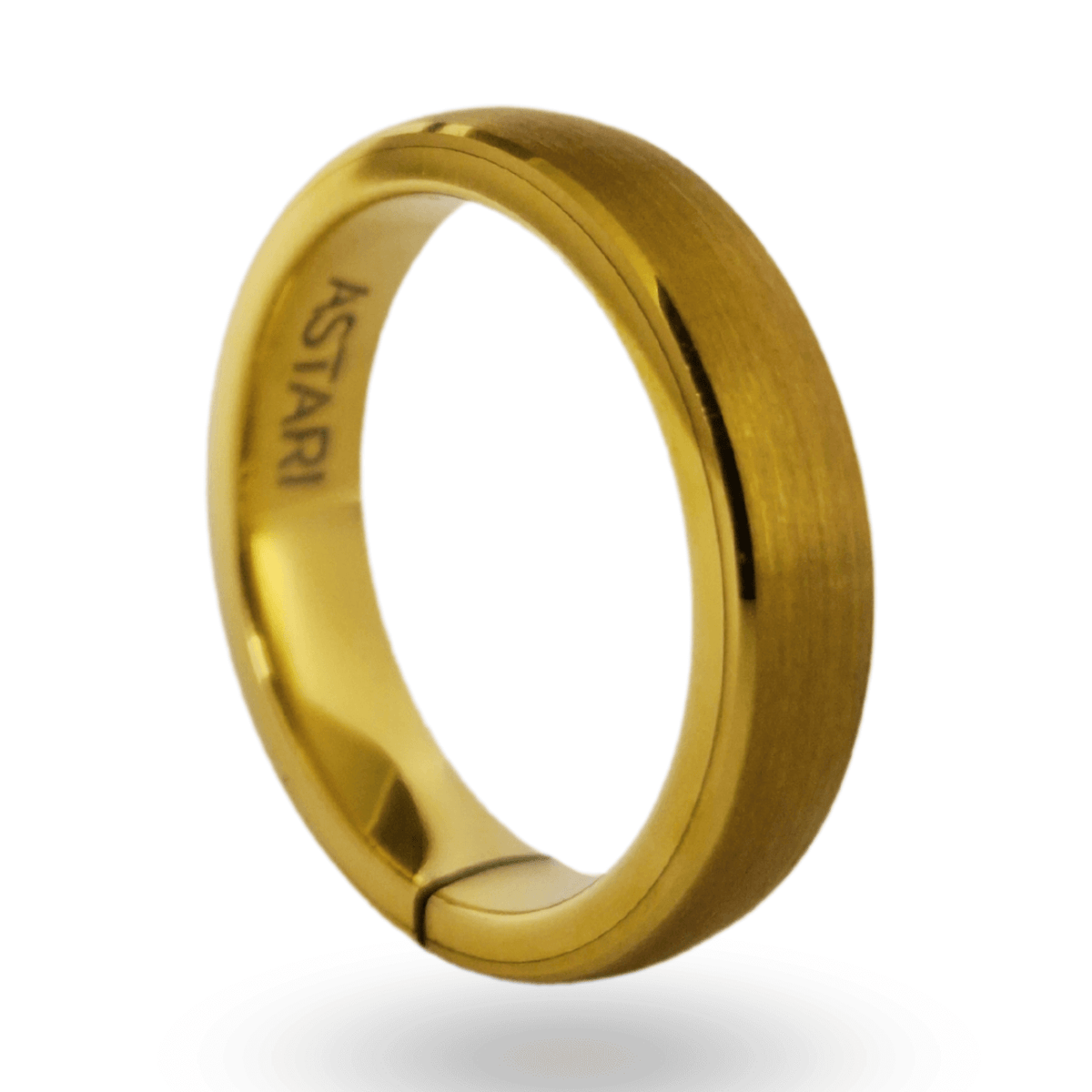
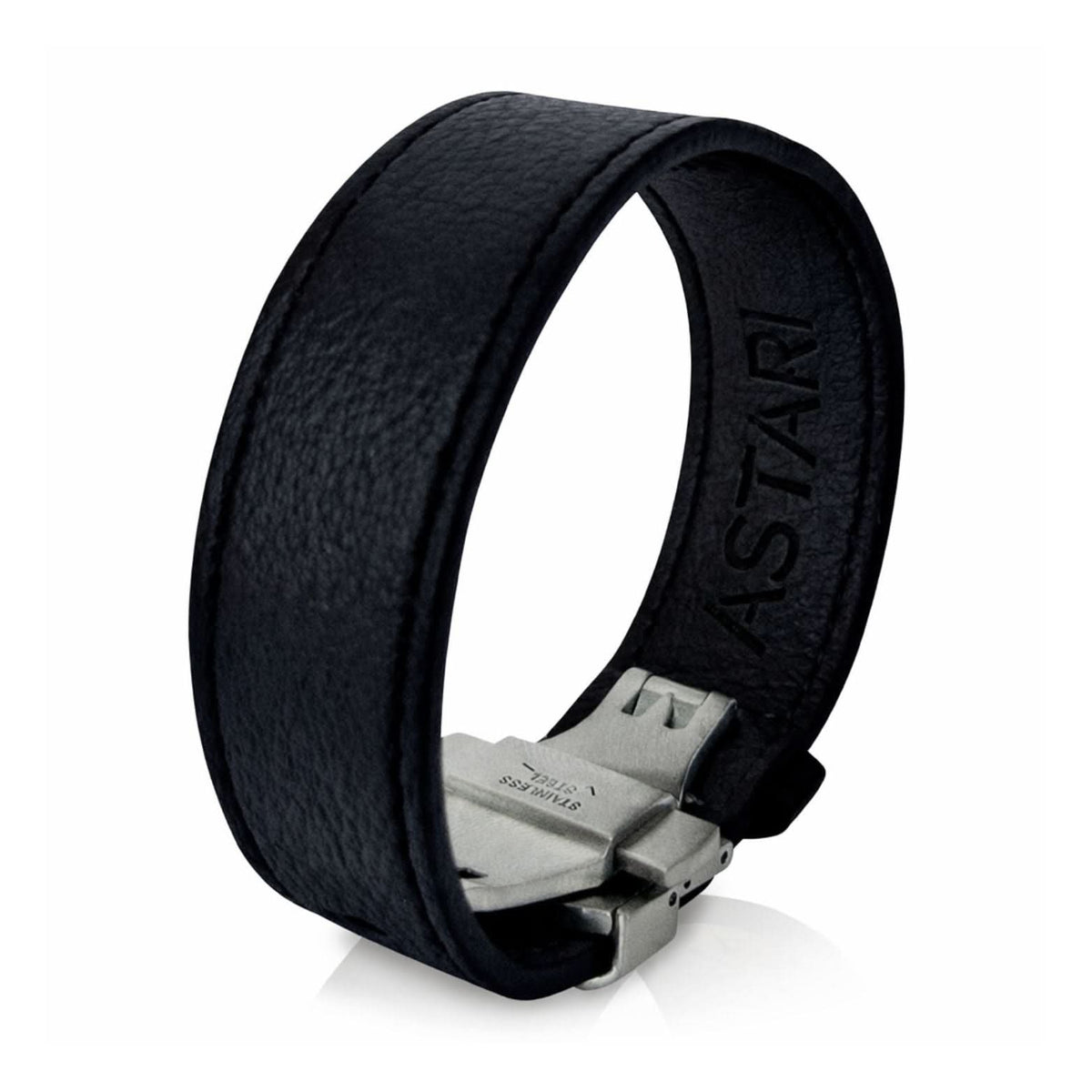
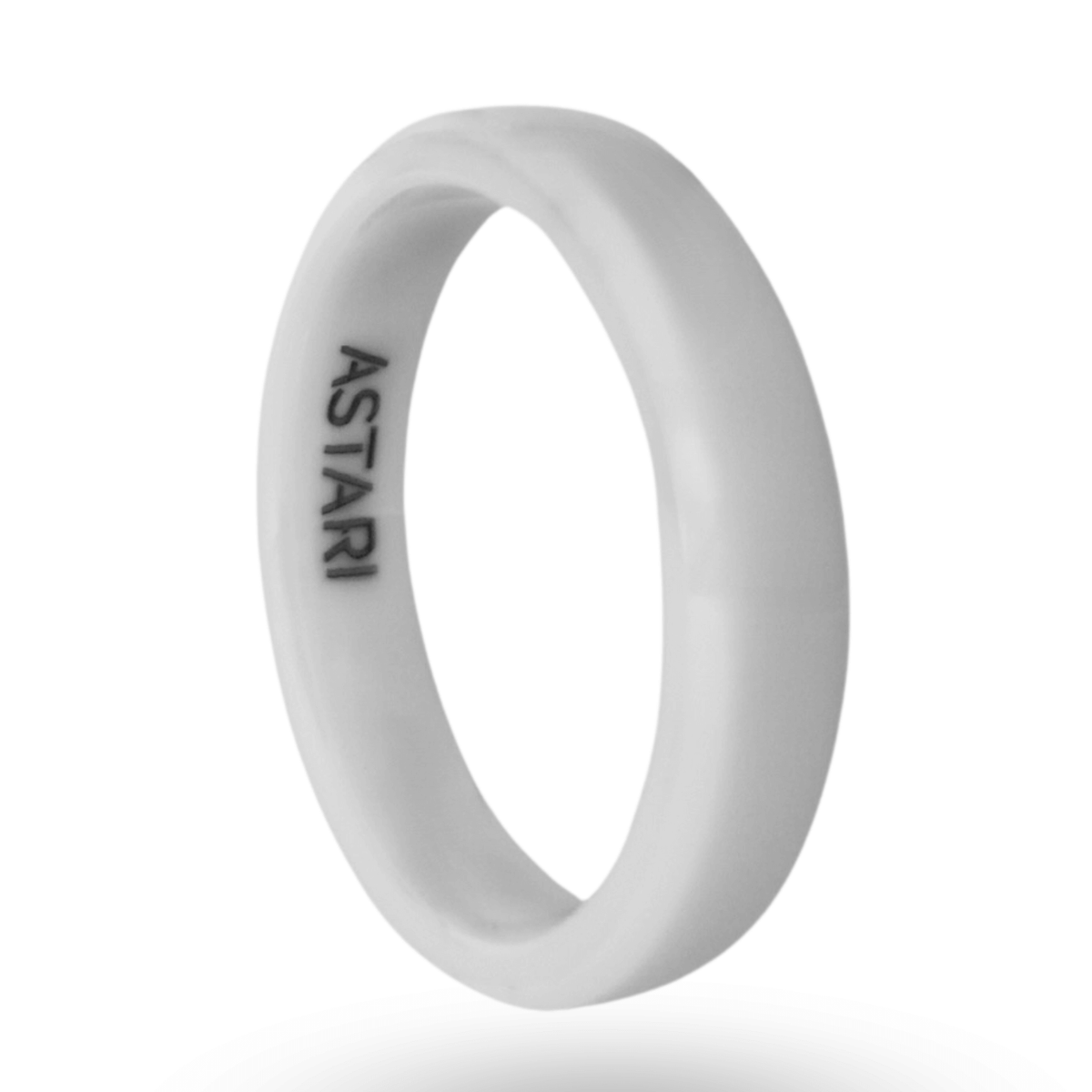
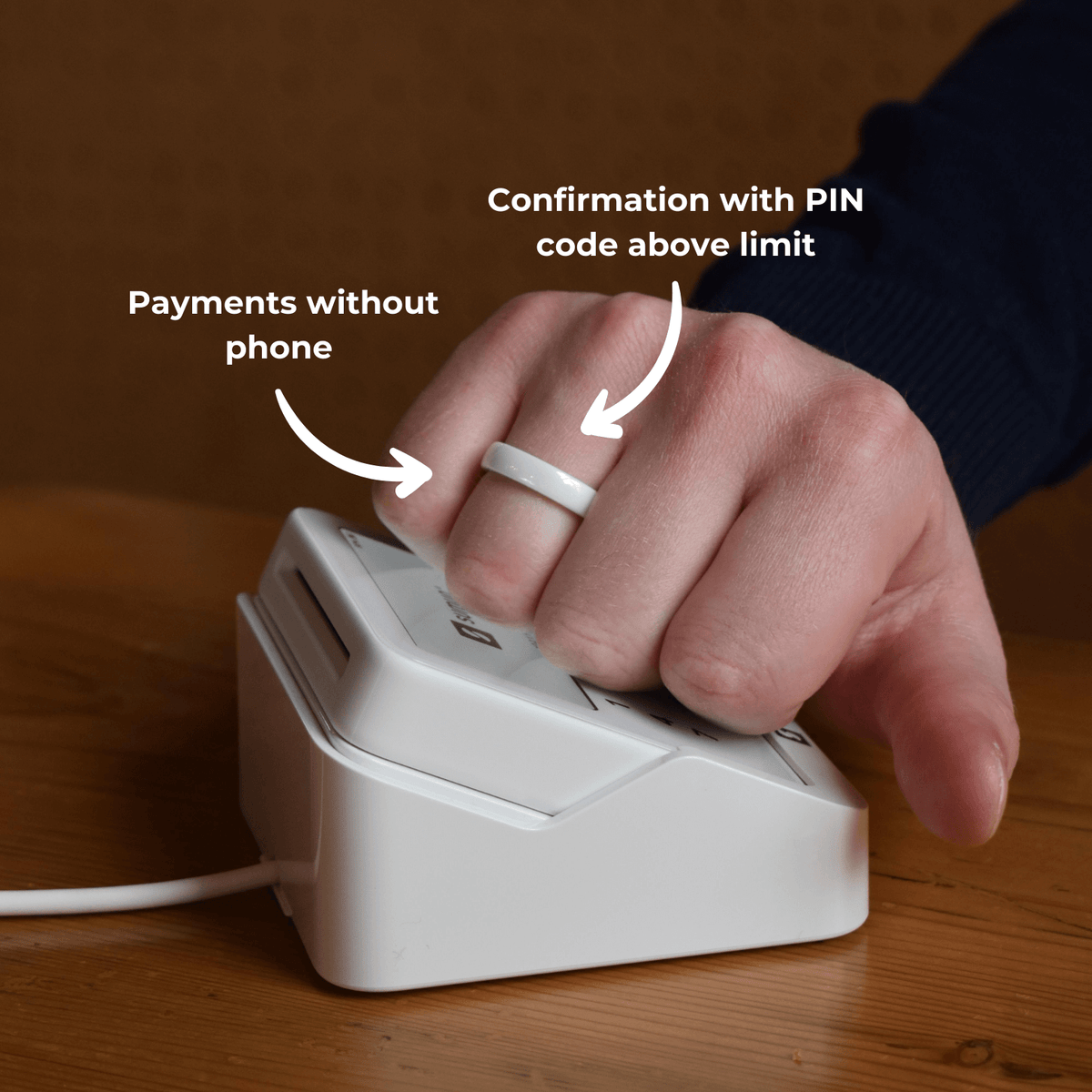
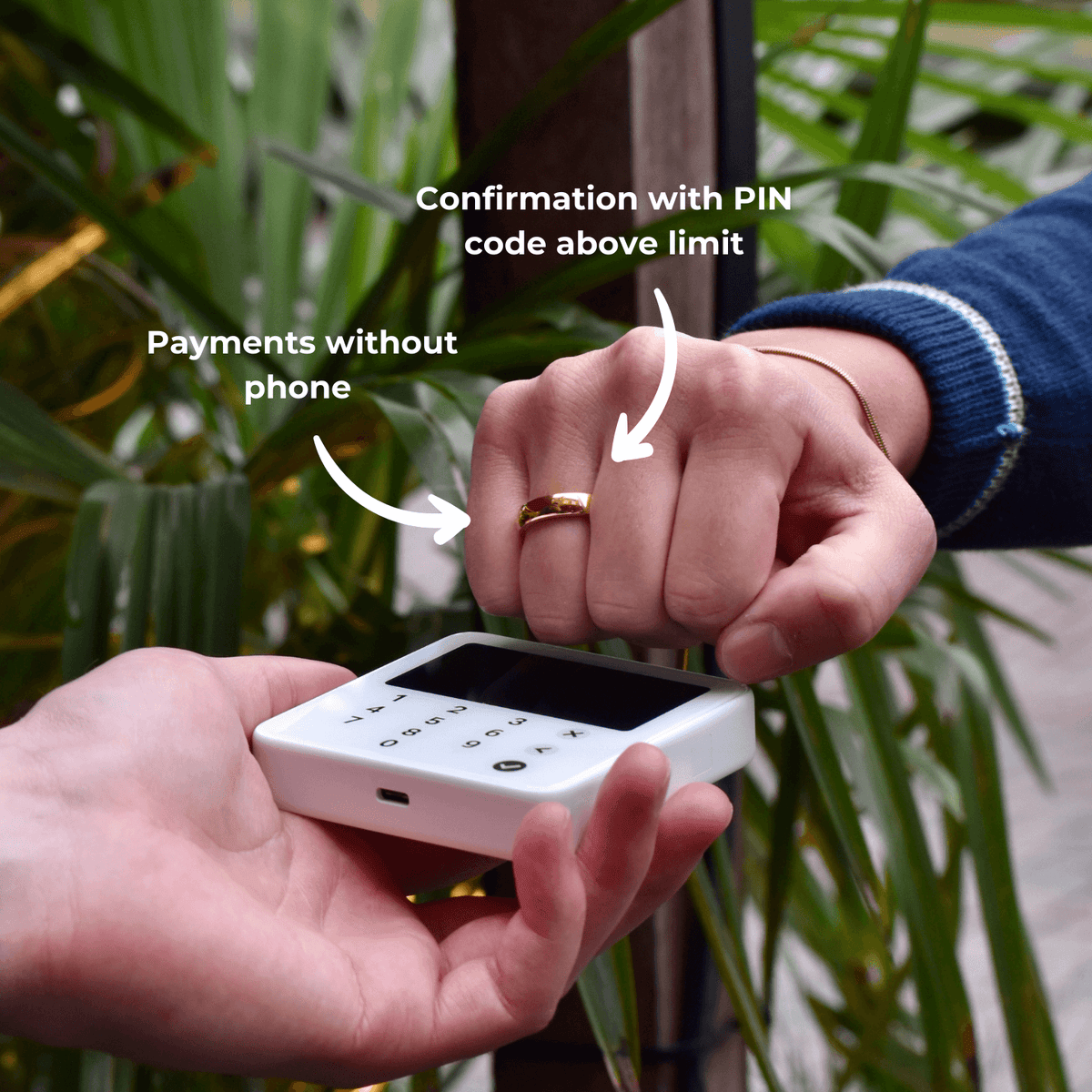
A payment ring is a wearable that lets you make contactless payments using the same system as your bank card.
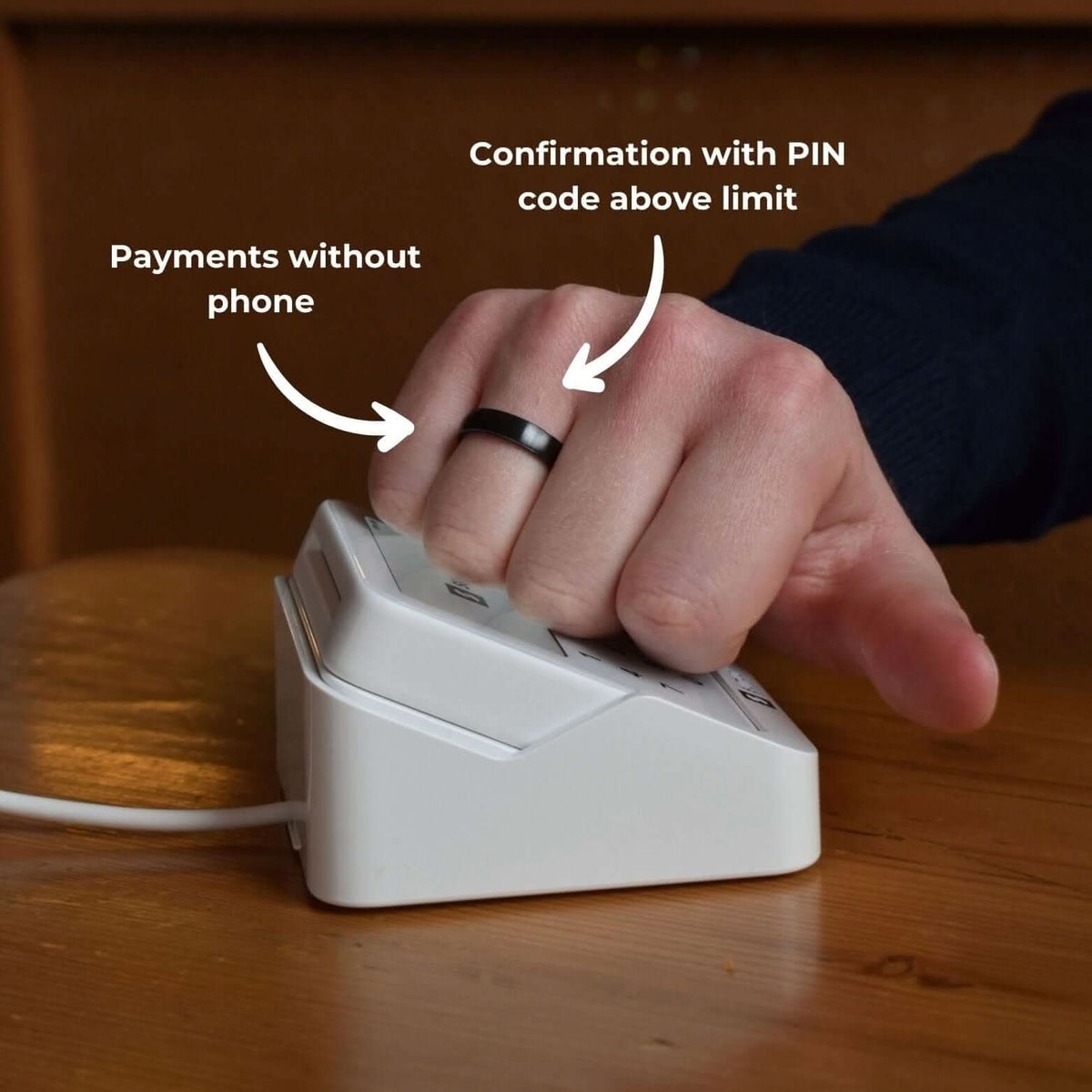
Inside the ring is an NFC chip. When you bring it close to a payment terminal, the transaction is processed instantly.
If you have ever tapped your card, you already understand how it works.
If you want a deeper explanation, you can read how a payment ring works.
The key point is this.
In Europe, payment rings use the exact same infrastructure as contactless cards.
That is what makes them easy to adopt.
Where can you use a payment ring in Europe
One of the biggest advantages is coverage.
Payment rings work anywhere that accepts contactless payments.
And across Europe, that includes most places.
Supermarkets, cafes, public transport, retail stores, restaurants, and even smaller local shops.
Contactless payments are already the standard in many European countries, which means a payment ring fits directly into that system.
In practice, you are not limited by the ring.
You are only limited by whether the terminal accepts contactless payments.
Do payment rings work in all European countries
Yes, in most cases.
If a country supports contactless card payments, a payment ring will work there as well.
This includes countries like the Netherlands, Germany, France, the UK, Italy, Spain, and most of the European Economic Area.
The system is built on global payment networks, so you are not tied to one specific country.
This is what makes payment rings especially useful for travel.
Supported banks and setup in Europe
Setting up a payment ring depends on your bank.
Some banks support direct connection, which allows you to link your card during setup.
Others may require an additional step.
If your bank is not directly supported, you can still connect your card using Curve.
Curve acts as a bridge between your bank and your wearable, allowing you to use your existing account.
You can check the supported banks page to see what works in your country.
And if needed, you can follow the setup guide to get started.
Why payment rings are growing in Europe
The shift is not about adding more technology.
It is about removing friction.
In Europe, people are already used to tapping to pay.
A payment ring simply removes the step of reaching for your wallet or phone.
This becomes more noticeable in everyday situations.
When your hands are full. When you are traveling. When you want to carry less.
Over time, these small moments add up.
And that is where the appeal comes from.
Paying across Europe without your phone or wallet
One of the biggest advantages of a payment ring is independence.
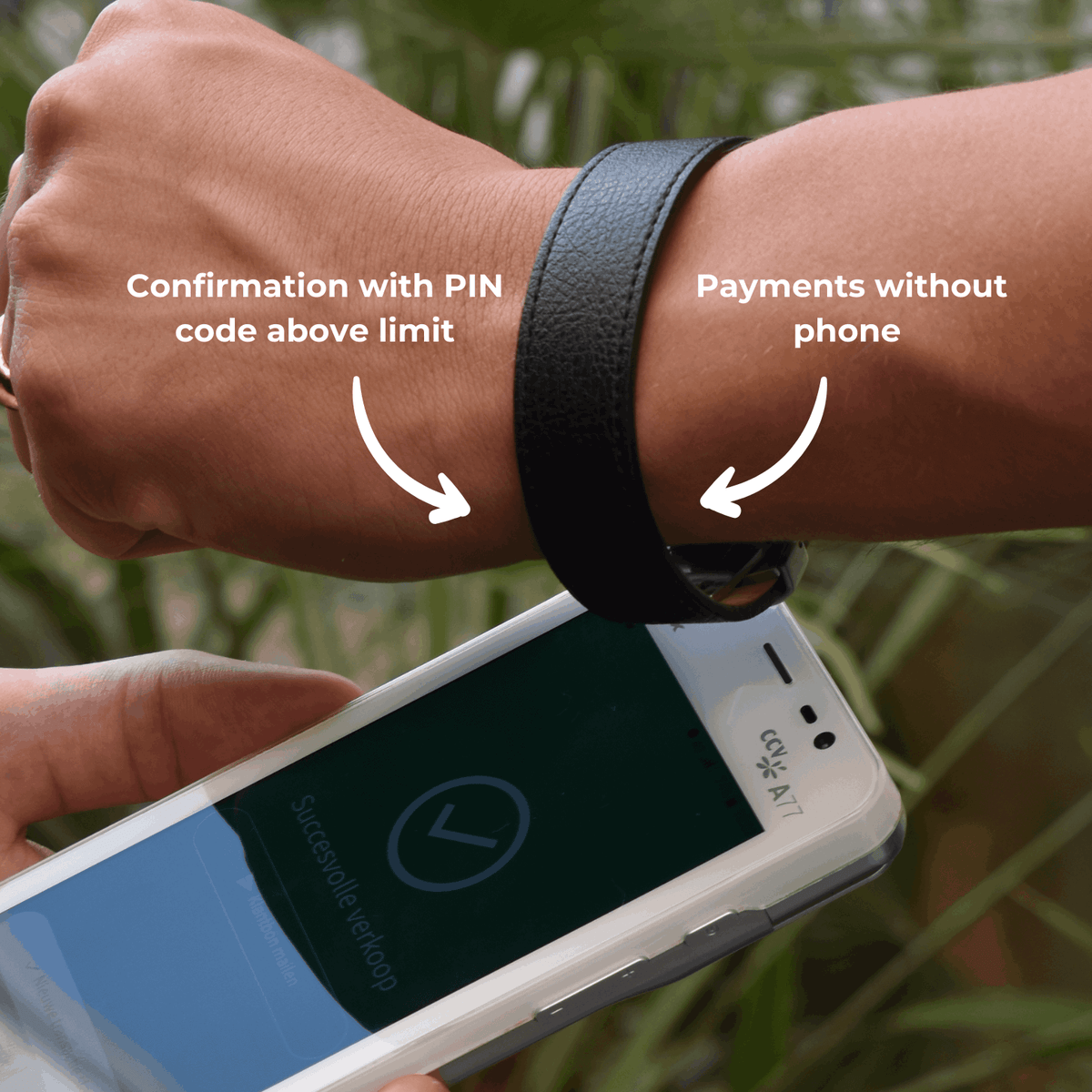
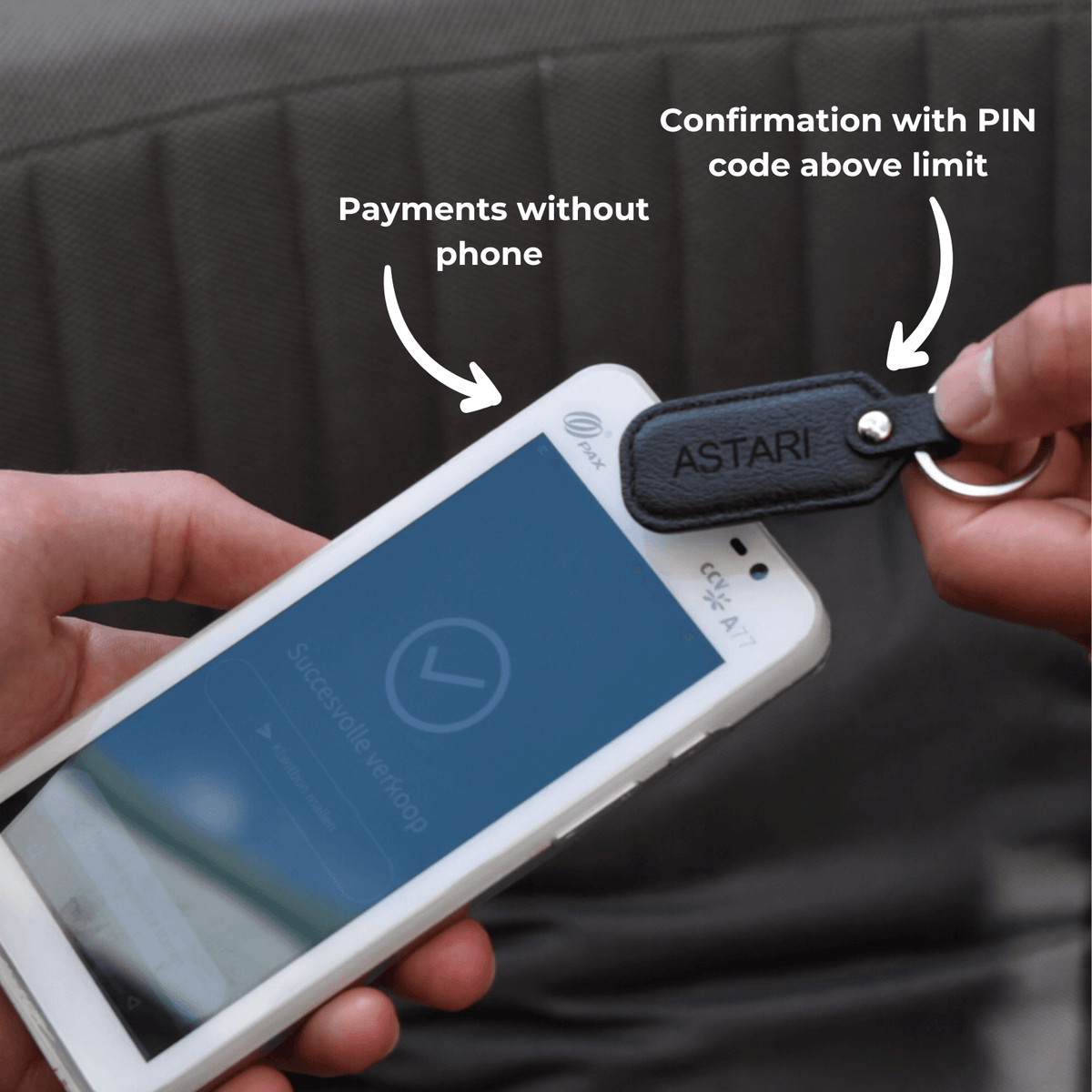
Once it is set up, it works without your phone.
You do not need to carry your wallet. You do not need to worry about battery life.
You can move freely and still be able to pay.
If you want to see how this works in real life, you can explore paying without a wallet or phone.
This is especially useful when traveling between countries.
You do not need to change anything.
You simply tap and pay.
Security and reliability across the EU
Payment rings use the same security systems as contactless bank cards.
Transactions are encrypted. Card details are replaced with secure tokens. Higher payments require PIN verification on the terminal.
This means the level of protection is consistent across Europe.
If you want to understand this more deeply, you can read how secure payment rings are.
From a user perspective, it feels exactly the same as using your bank card.
Choosing the right payment ring in Europe
Not all payment rings are the same.
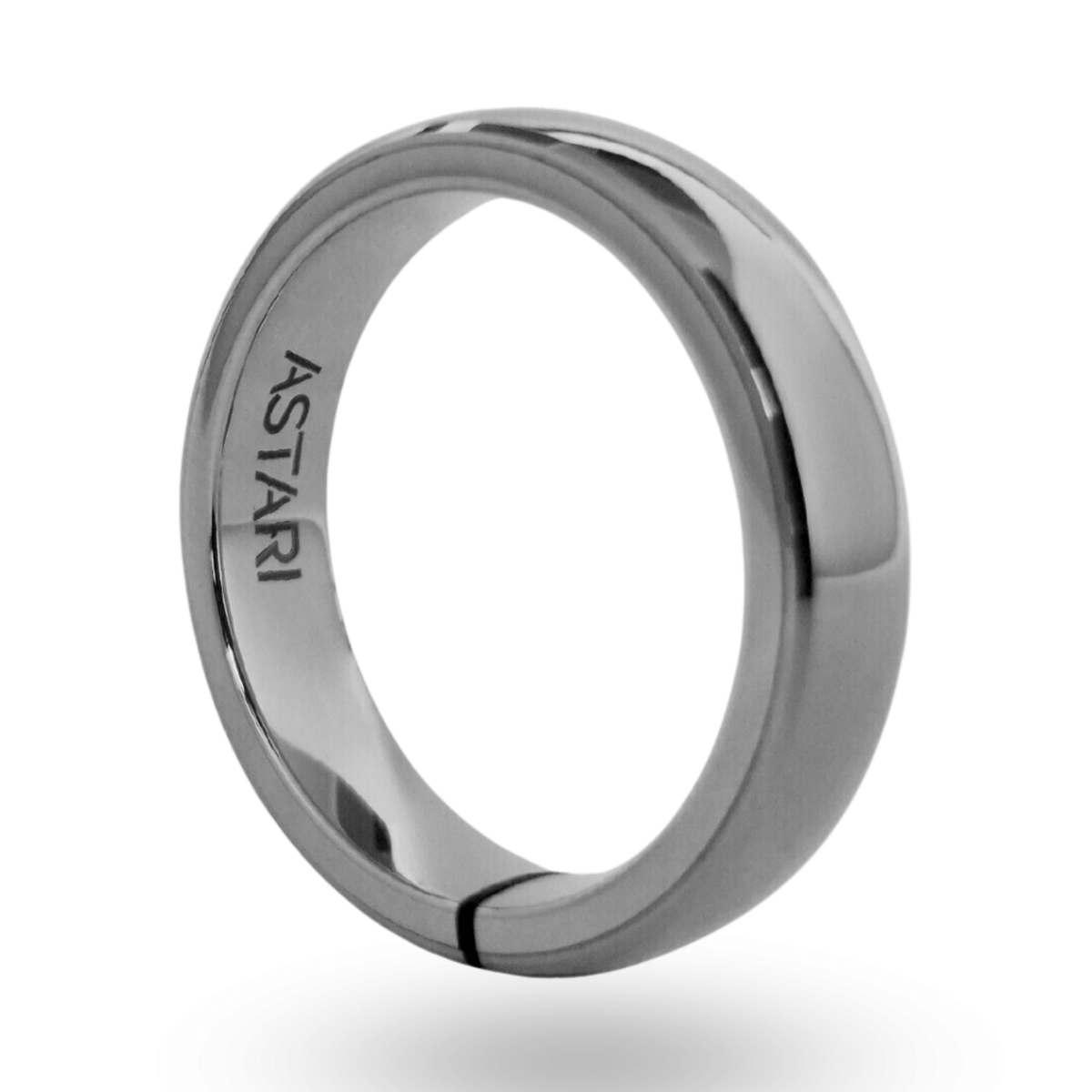
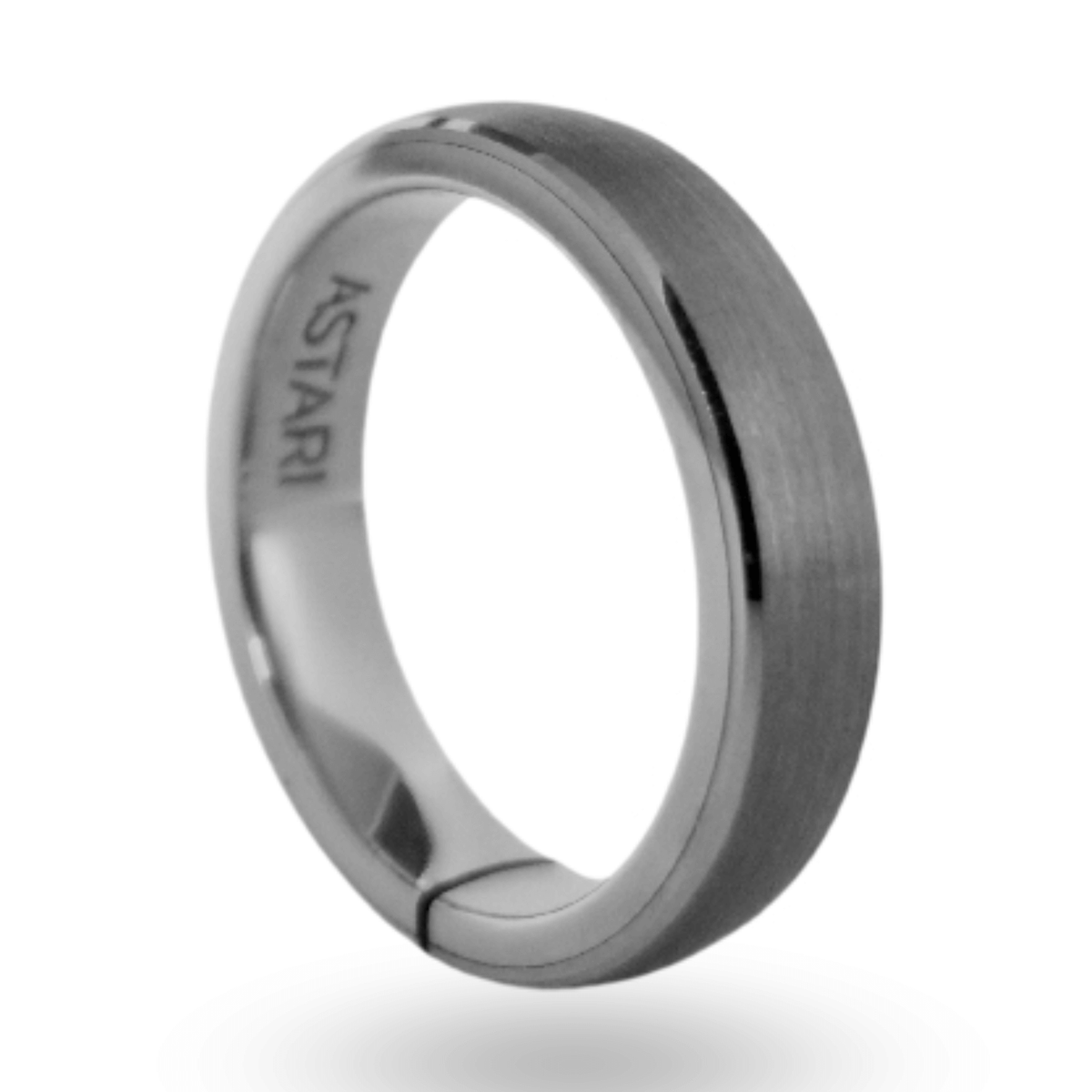
Material, durability, and build quality make a difference, especially if you use it daily.
Strong materials like tungsten provide better durability compared to lighter metals like stainless steel or titanium.
Thickness and construction also matter, since they protect the internal chip and improve long term reliability.
If you are comparing options, you can read the guide on choosing the best payment ring.
A simple system that works everywhere
The reason payment rings are growing in Europe is simple.
They do not require new behavior.
They do not require new infrastructure.
They simply improve something that already works.
And once you get used to it, it becomes difficult to go back.
If you want to explore available options, you can view the payment rings collection.
FAQ
Do payment rings work everywhere in Europe
Yes. They work anywhere that accepts contactless card payments.
Can I use a payment ring while traveling in Europe
Yes. Payment rings work across countries using the same payment networks.
Do I need my phone to pay in another country
No. Once set up, the ring works independently.
What if my bank is not supported
You can use Curve to connect your card and still use your payment ring.
Are payment rings safe in Europe
Yes. They use the same secure systems as contactless bank cards.
Is a payment ring better than a card for travel
For many people, it is more convenient because it removes the need to carry and access a wallet.