
How Does a Payment Ring Work? NFC, Security and Battery Free Payments
A payment ring can feel almost too simple the first time you use it. You move your hand close to a contactless terminal, wait for the confirmation, and the payment is complete. There is no phone to unlock, no card to take out, and no battery to check.
Behind that simple movement is a familiar payment system. A payment ring does not introduce a new way for shops, banks, or payment terminals to process money. It uses the same contactless payment infrastructure already used by modern bank cards, mobile wallets, and other wearable payments.
The ring changes how you access payments. It does not change the secure payment system behind them.
How does a payment ring work?
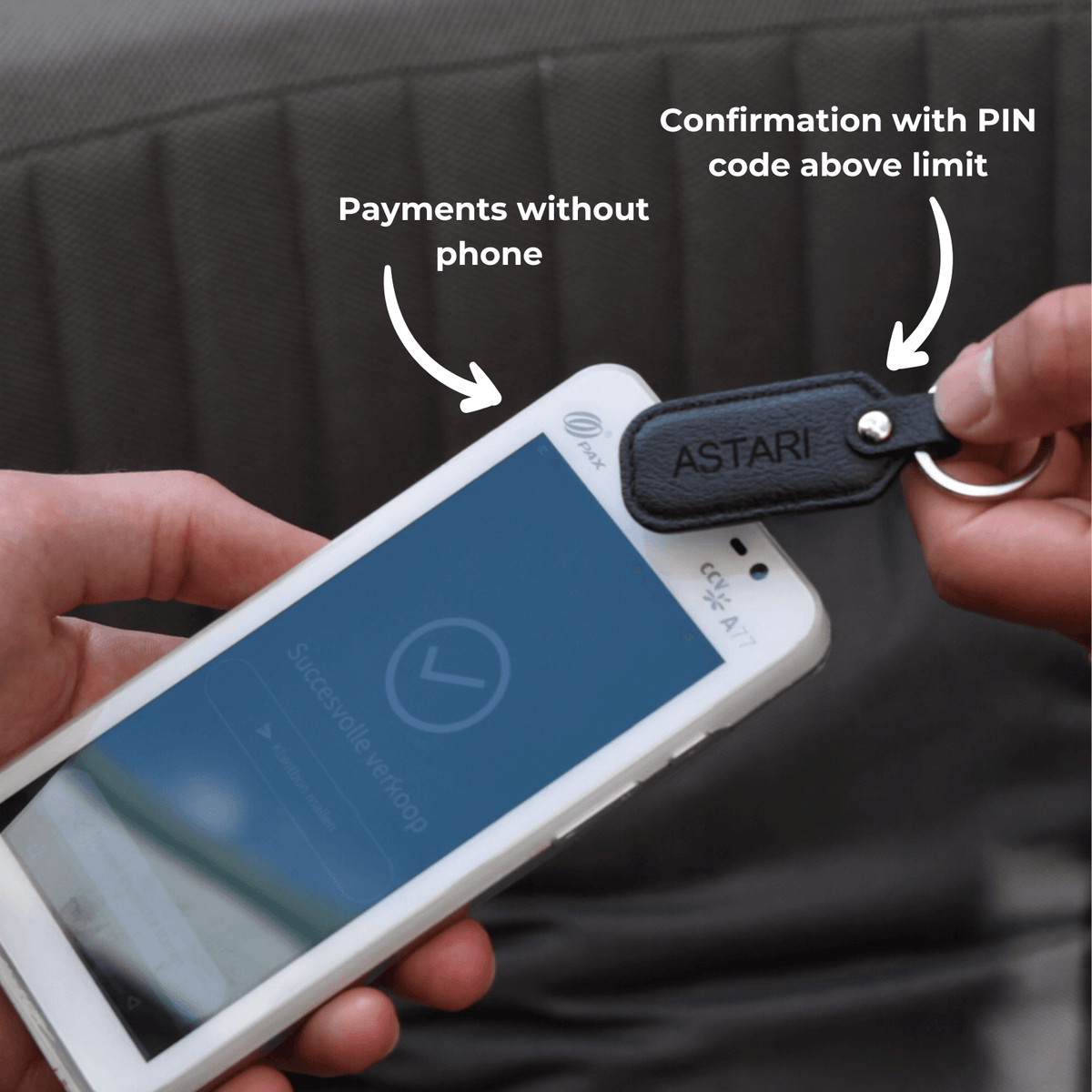
A payment ring works by using NFC technology to communicate with a contactless payment terminal. NFC stands for Near Field Communication, the same short range technology used in contactless bank cards and mobile payments.
Inside the ring is a secure payment chip and antenna. When you hold the ring close to a compatible payment terminal, the terminal briefly powers the chip, reads the secure payment credential, and sends the transaction through the normal banking network for approval.
In simple terms, a payment ring lets you use contactless payments through something you wear, instead of something you carry. If you are new to the concept, our guide on what contactless payment wearables are explains how rings, bracelets, and keychains fit into everyday payments.
What happens when you tap a payment ring?
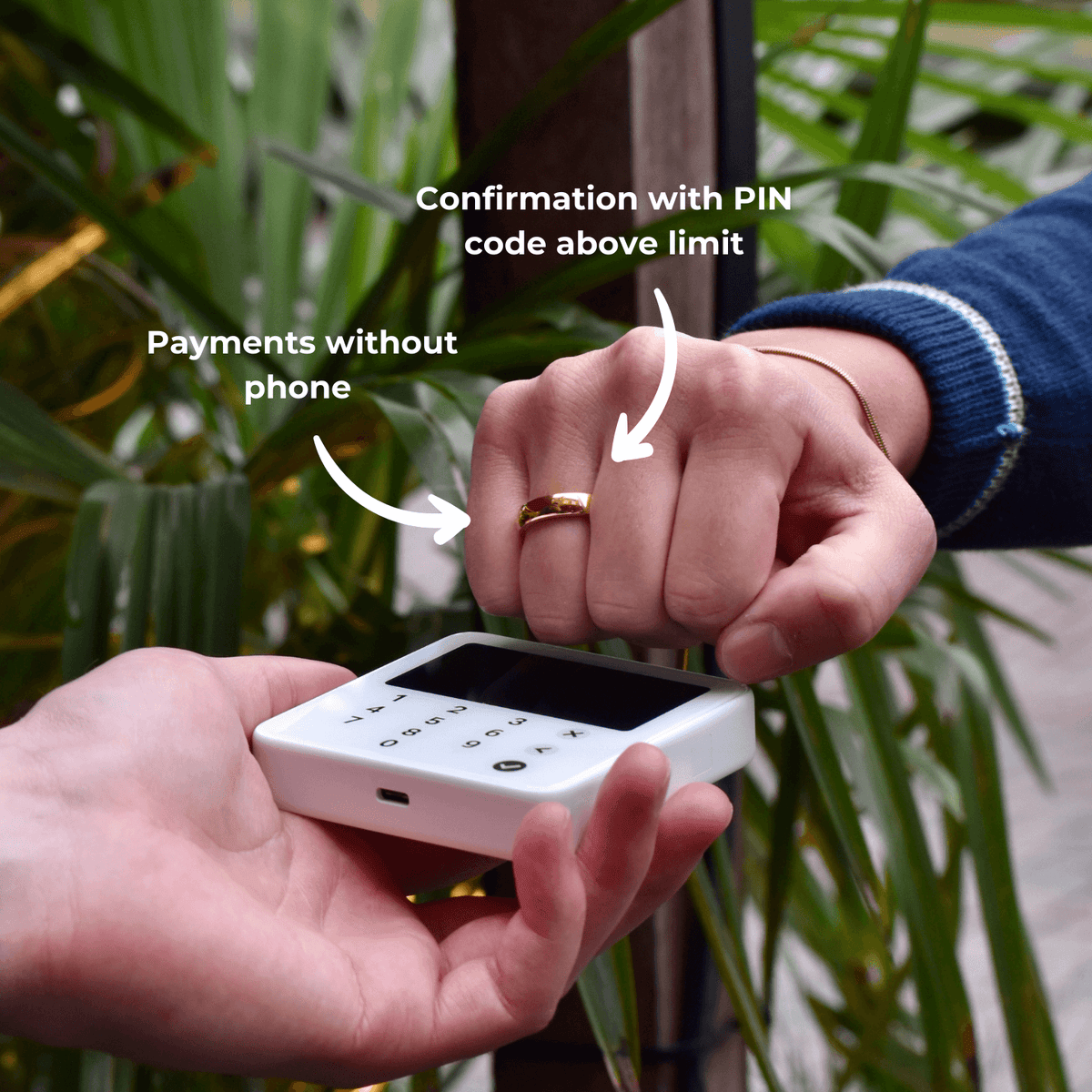
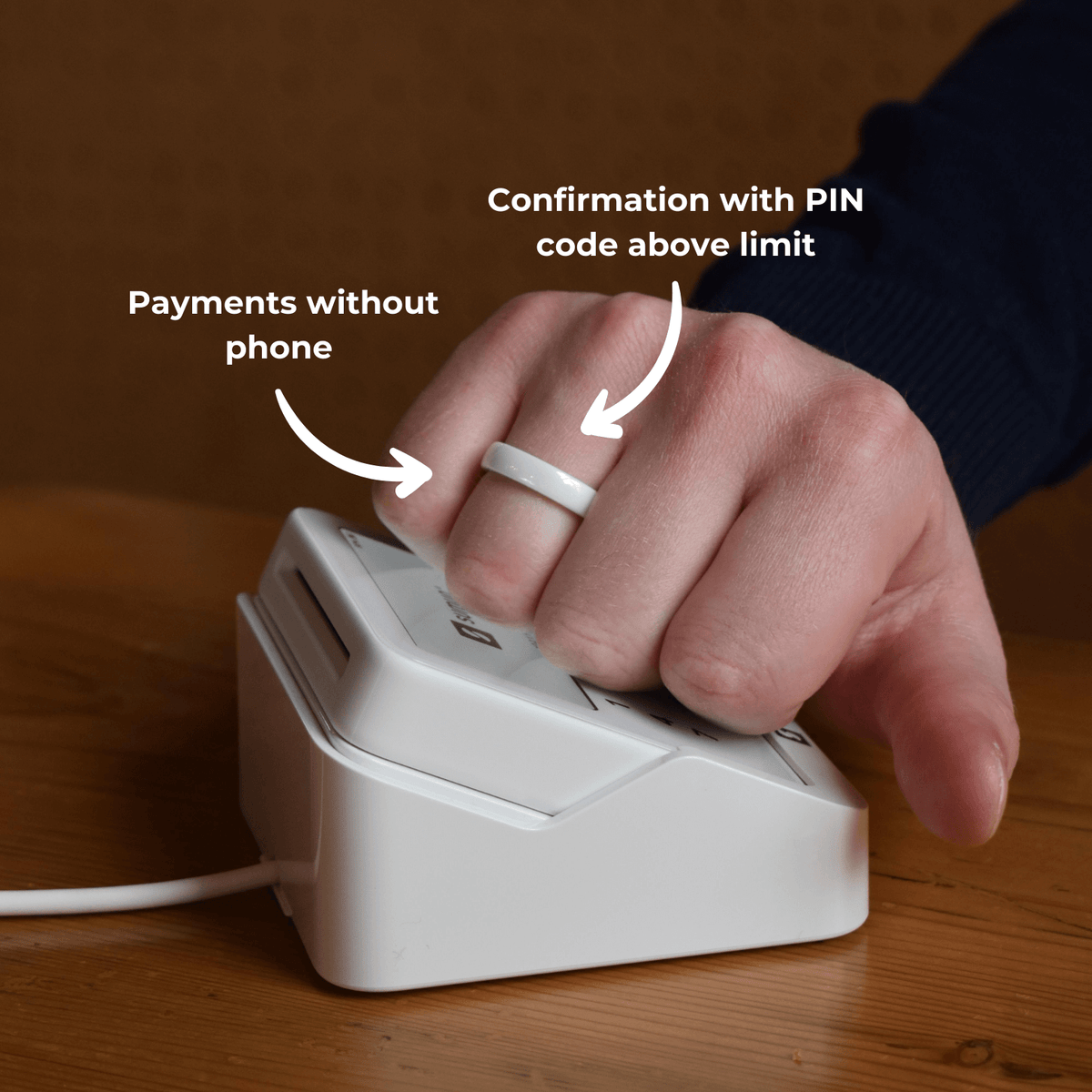
When you tap a payment ring at a terminal, several things happen in a very short moment. The terminal creates a small electromagnetic field, which gives the ring enough power to wake the chip inside. The ring then communicates securely with the terminal through NFC.
The terminal receives the secure payment information needed to start the transaction. From there, the request travels through the normal payment route, from the terminal to the payment network, then to the bank or card issuer for approval. The payment is then approved or declined, just as it would be with a contactless bank card.
For the user, this feels simple. You hold the ring close to the reader, keep it still for a moment, and wait for the confirmation. Behind the scenes, the process is handled by the same payment systems people already trust every day.
How passive NFC works in a payment ring
Payment rings use passive NFC. This is one of the most important parts of how they work, and one of the biggest differences between a payment ring and many smart devices.
Passive means the ring does not have its own power source. There is no battery inside the ring, no Bluetooth connection, no charging port, and no screen. Instead, the ring is powered briefly by the payment terminal when you tap.
This is possible because NFC works over very short distances. When the ring comes close enough to the reader, the terminal provides just enough energy for the chip inside the ring to communicate. Once the ring is moved away, that interaction ends.
This makes a passive NFC payment ring very different from a smartwatch or connected smart device. It is not constantly active, it does not need charging, and it only responds when brought close to a compatible contactless terminal.
Why payment rings do not need charging
Payment rings do not need charging because they are powered by the payment terminal during the tap. The ring itself does not rely on a battery to complete a transaction.
This is one of the main advantages of passive payment wearables. A phone can run out of battery. A smartwatch needs regular charging. A payment ring is designed to remain ready without daily maintenance.
For everyday use, this makes the experience feel simple and dependable. You wear the ring like normal jewellery, and when you need to pay, it is ready. There is no charging routine, no cable, and no need to check whether the device has enough power before leaving the house.
If you want practical guidance on using a passive wearable at the terminal, read our guide on how to pay with passive payment wearables.
How payment authorization works
Payment authorization works in much the same way as a normal contactless card transaction. The payment terminal sends the transaction request through the payment network, and the bank or card issuer checks whether the payment can be approved.
During this process, the system verifies the payment credential, transaction details, account status, and relevant security rules. If everything is accepted, the terminal confirms the payment. If not, the transaction is declined or may require another action, such as PIN verification.
The important point is that the ring is not approving payments by itself. It is a secure way to present your payment credential to the terminal. The actual authorization still happens through the normal banking and card payment systems.
How tokenization protects payment ring transactions
Payment rings use tokenization to help protect your card details. Tokenization replaces your actual card number with a secure digital version that can be used for payments without exposing the original card details during normal transactions.
This token is linked to your payment wearable and payment setup. When you tap your ring, the system uses the secure token rather than openly sharing your real card number with the terminal.
This matters because it adds a strong layer of protection. Even if transaction data were intercepted, it would not simply reveal your actual card details. This is the same principle used by many modern mobile wallets and contactless payment systems.
For a deeper trust focused explanation, read our article on whether payment rings are safe.
Built on the same security as contactless bank cards
A payment ring is not an experimental payment system. It works within the same secure payment environment people already use with contactless cards and mobile payments.
That means the same contactless infrastructure, the same banking networks, the same tokenization principles, the same fraud protection logic, and the same payment rules are involved behind the scenes. For larger purchases, PIN verification may apply depending on your bank, provider, country, and transaction amount.
This is one of the most reassuring things to understand. The ring changes the form of access, not the security behind the payment. You are still using familiar banking systems, but through a wearable instead of a plastic card or phone.
Before setting up a payment wearable, it is always worth checking compatibility on our supported banks page.
Why PIN verification may still apply
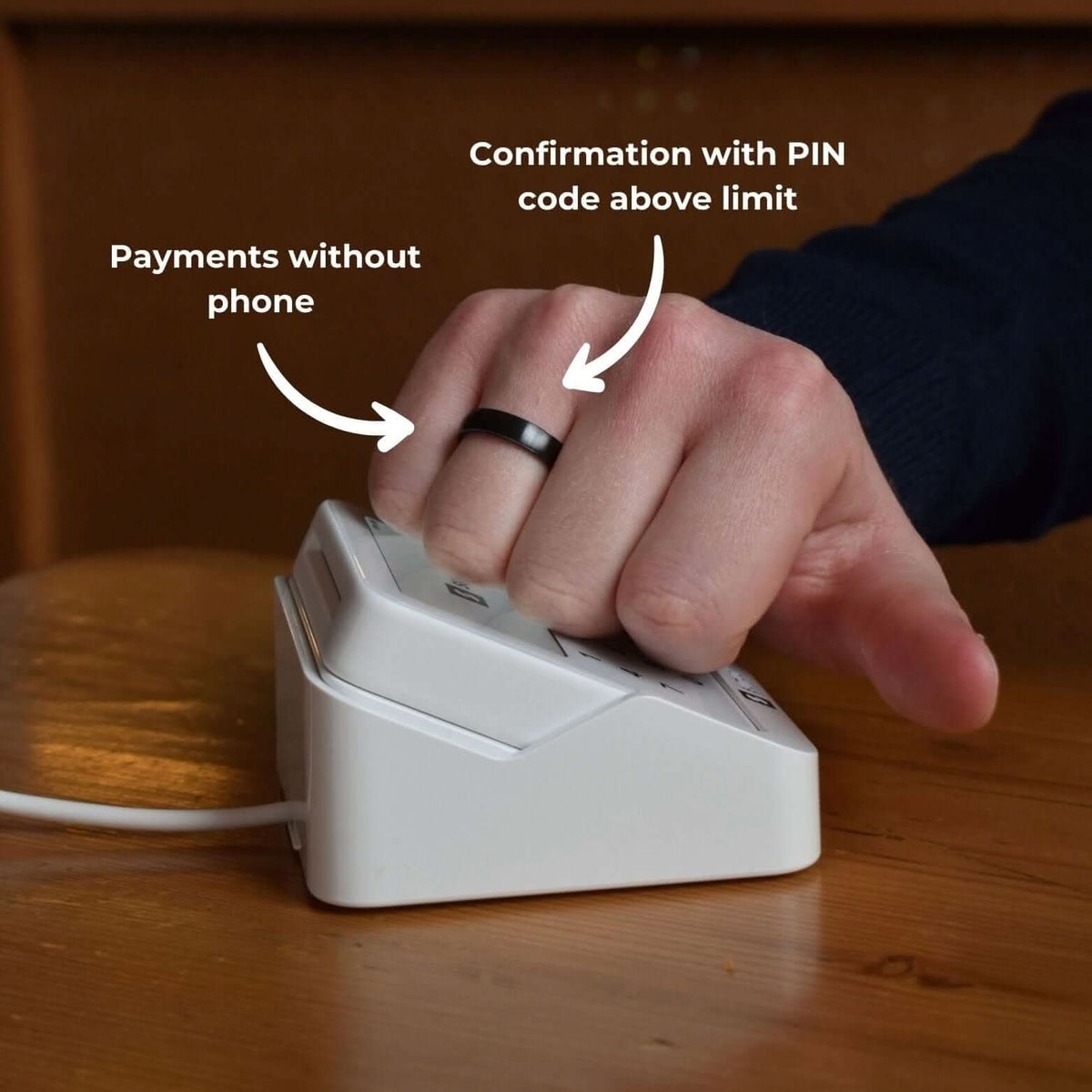
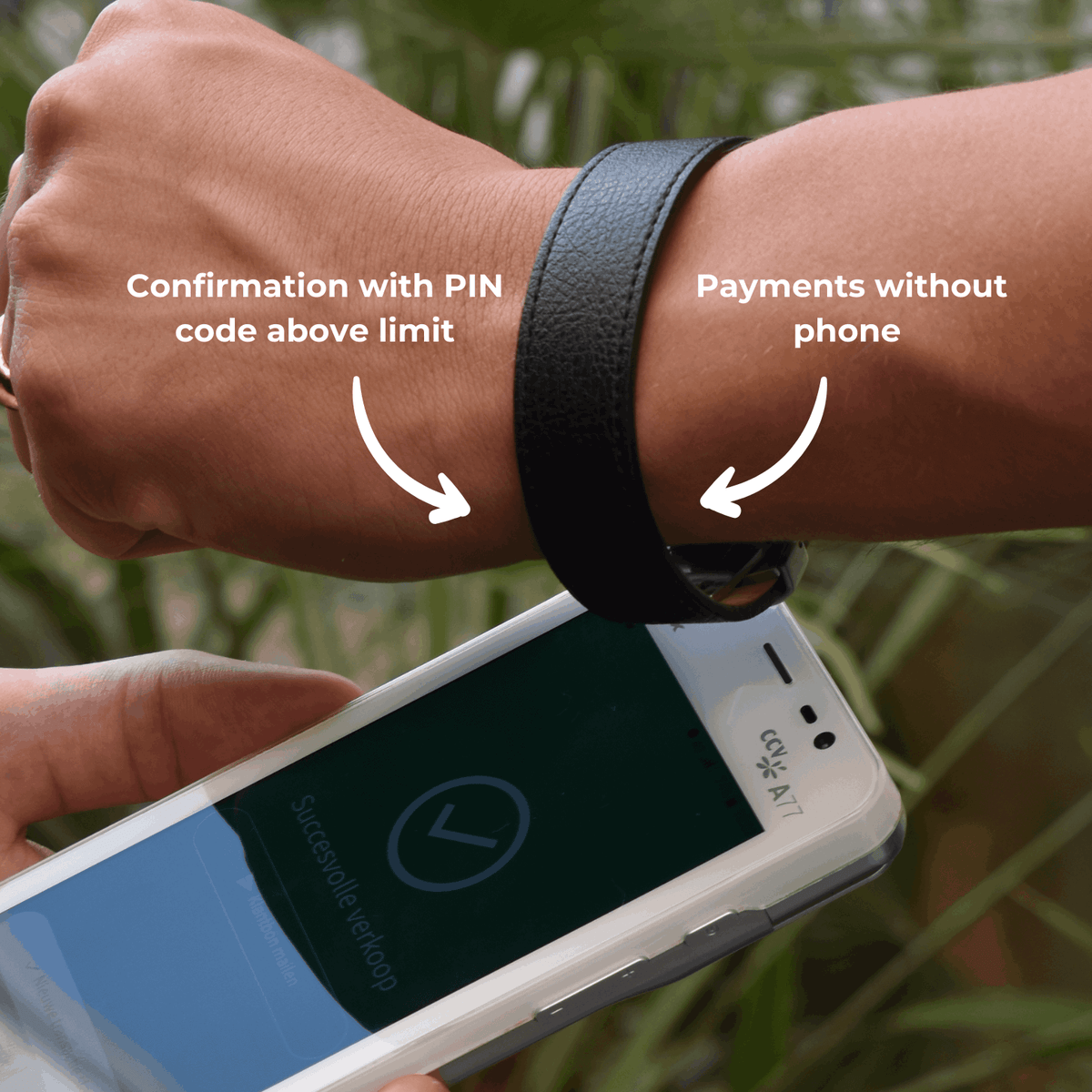
PIN verification may still apply to payment ring transactions because payment rings follow normal contactless payment rules. For smaller payments, you may be able to tap and go. For higher amounts, the terminal may ask for PIN verification.
This is a useful security layer. It means payment rings stay convenient for everyday purchases while still following the protection rules people already know from bank cards.
The exact limits and requirements depend on the country, bank, card provider, and payment setup. In practice, this keeps the experience familiar. A payment ring behaves like a contactless payment method, not like a separate financial account.
How payment rings compare with cards and phones
Payment rings, contactless cards, and phones can all use contactless payment technology. The difference is how you access the payment.
A contactless card is simple, but you still need to carry it and take it out when paying. A phone offers flexibility, but it depends on battery life, unlocking, and having the device accessible. A payment ring is worn on your hand, does not need charging, and can be ready whenever you are near a compatible terminal.
This is why many people see payment rings as a more seamless everyday option. They are not necessarily replacing every other payment method. They are reducing friction in the moments where reaching for a wallet or phone feels unnecessary.
If you are comparing options, our guides on payment rings versus contactless cards, payment rings versus Apple Pay, and payment rings versus smartwatches can help.
Why people use payment rings
People use payment rings because they make everyday payments easier. The value is not only technical. It is practical.
A payment ring can be useful when your hands are full, when you are commuting, when you are travelling, when you are going to the gym, or when you simply prefer carrying less. Once set up, it gives you a payment option that is already on your hand.
This is also why payment rings are often popular with people who like a more minimalist lifestyle. You can leave your wallet behind in certain situations, keep your phone stored away, and still have access to contactless payments where compatible terminals are available.
If this is the use case you are most interested in, read our guide on how to pay without a wallet or phone.
How to set up a payment ring
Setting up a payment ring depends on the wearable, your bank, your card, and the supported payment system. In general, the process involves linking your payment method to the wearable through the correct setup flow.
Once activated, the ring can be used independently for compatible contactless payments. You do not need to unlock your phone at the terminal or open an app during every payment.
For Astari wearables, you can follow the instructions on our setup page. If you want to check whether your bank or payment method is supported, visit our supported banks page.
Which payment ring should you choose?
The right payment ring depends on your style, preferred material, and how premium you want the finish to feel. The payment experience is built around the same core idea, but the design and material choice can change how the ring feels in daily wear.
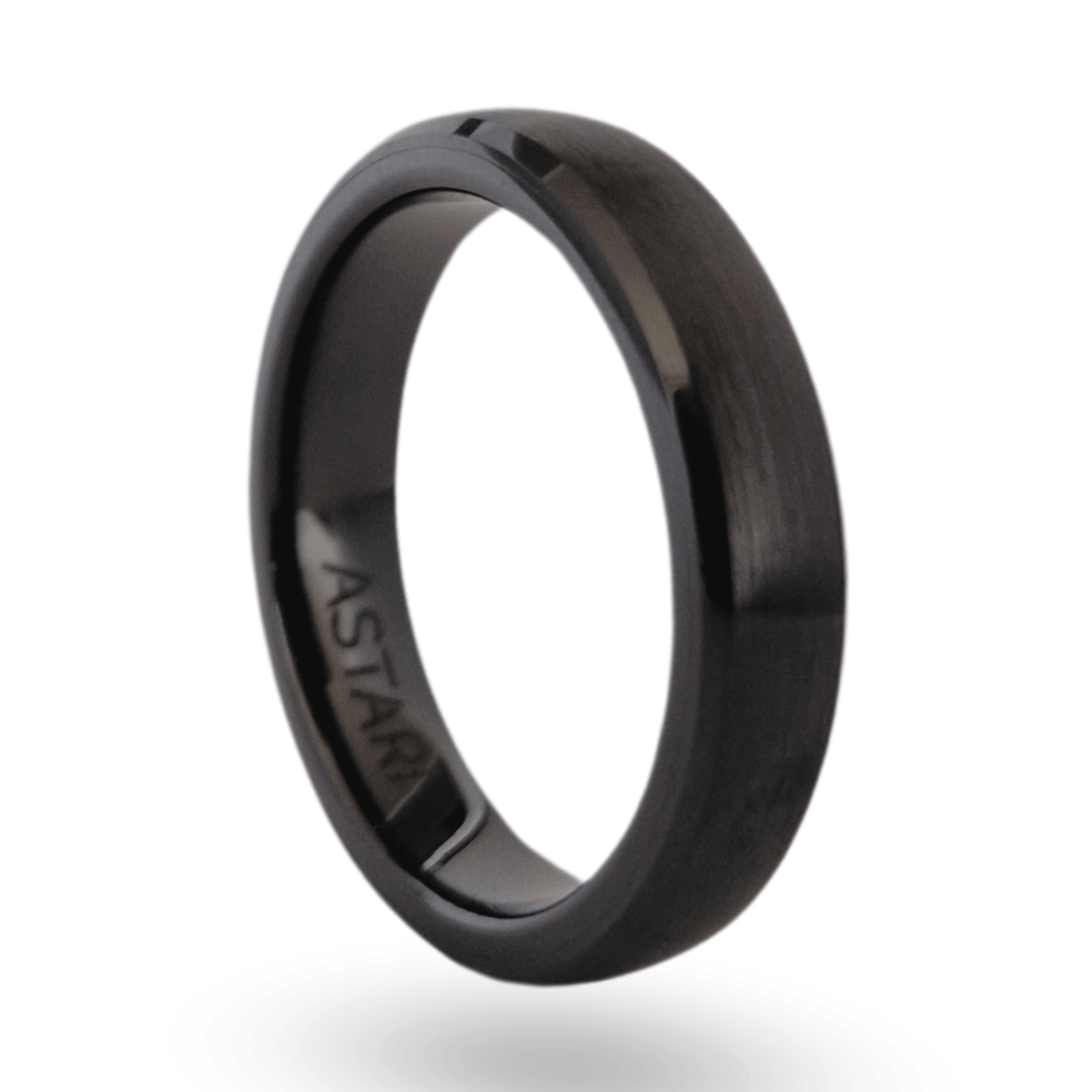
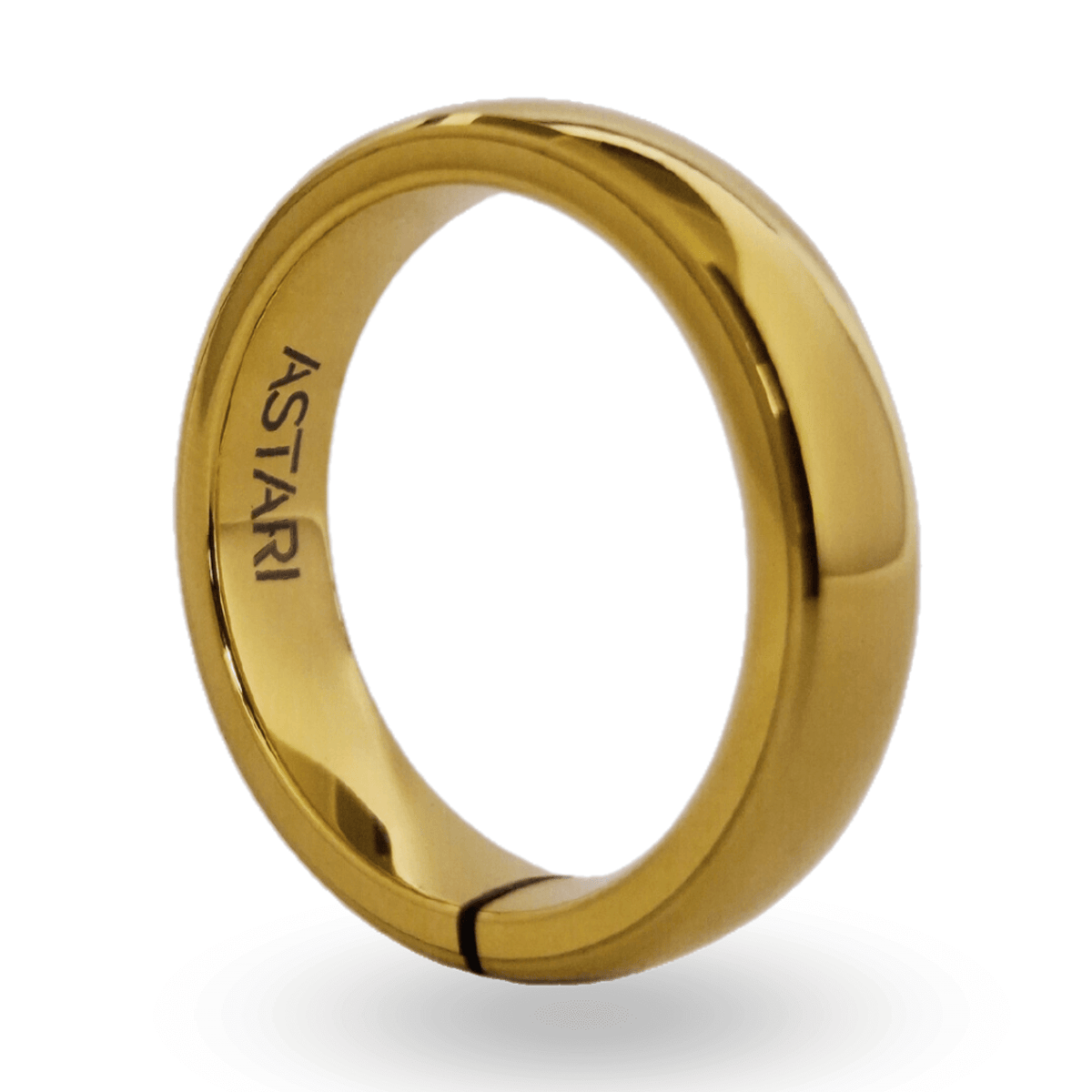
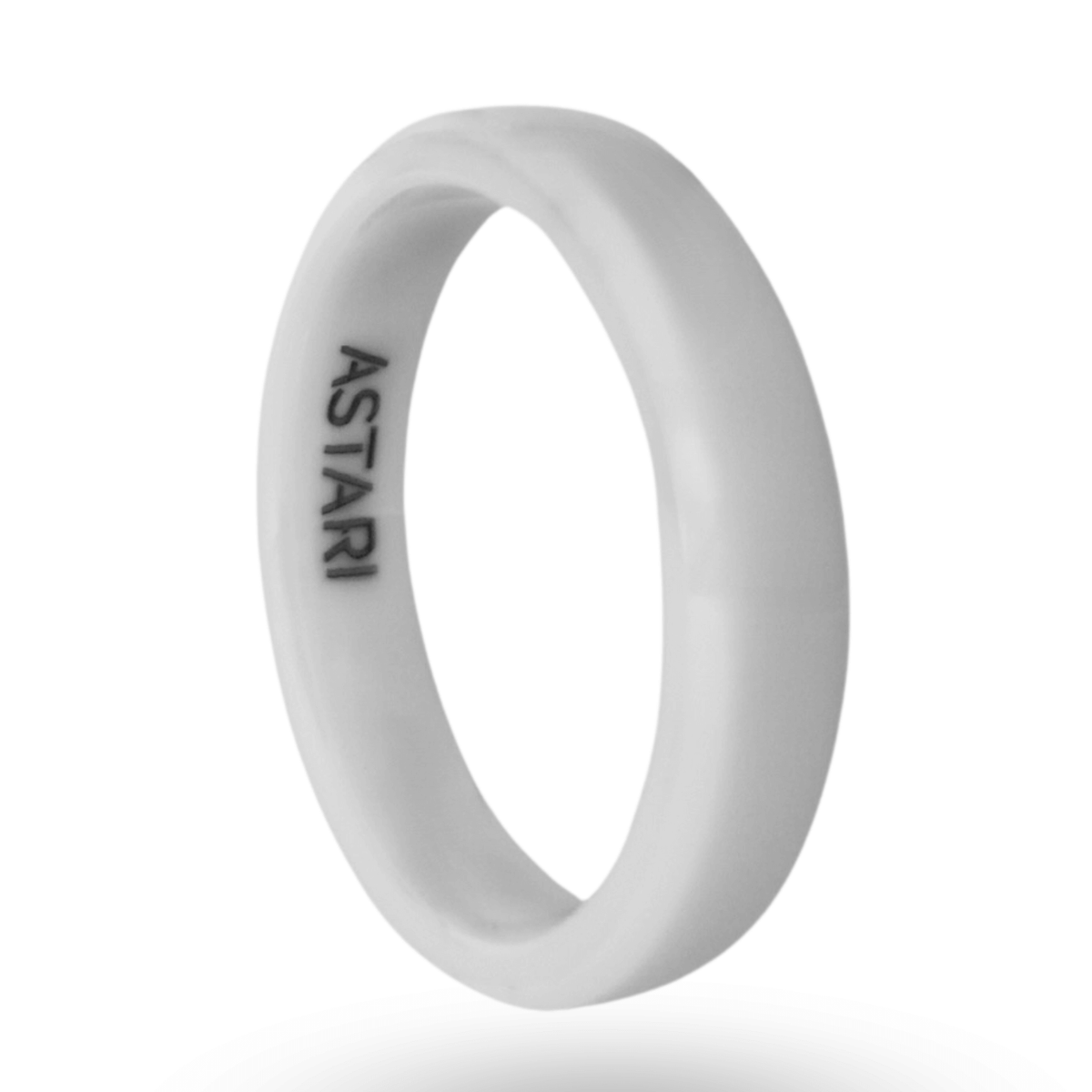
Astari ceramic rings are the entry point into wearable payments. The Atlantis Black payment ring offers a clean brushed appearance, while the Atlantis White payment ring has a bright glossy finish.
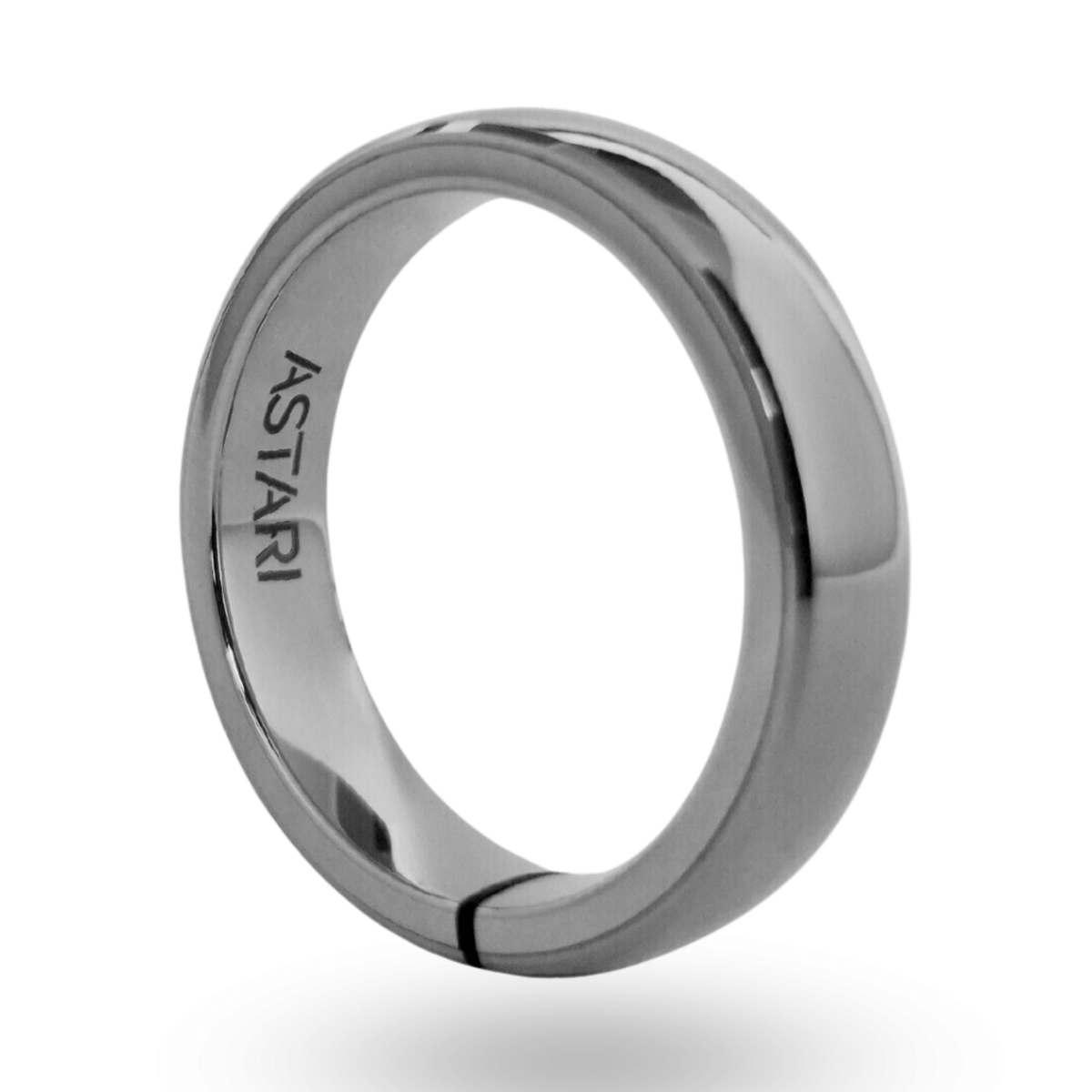
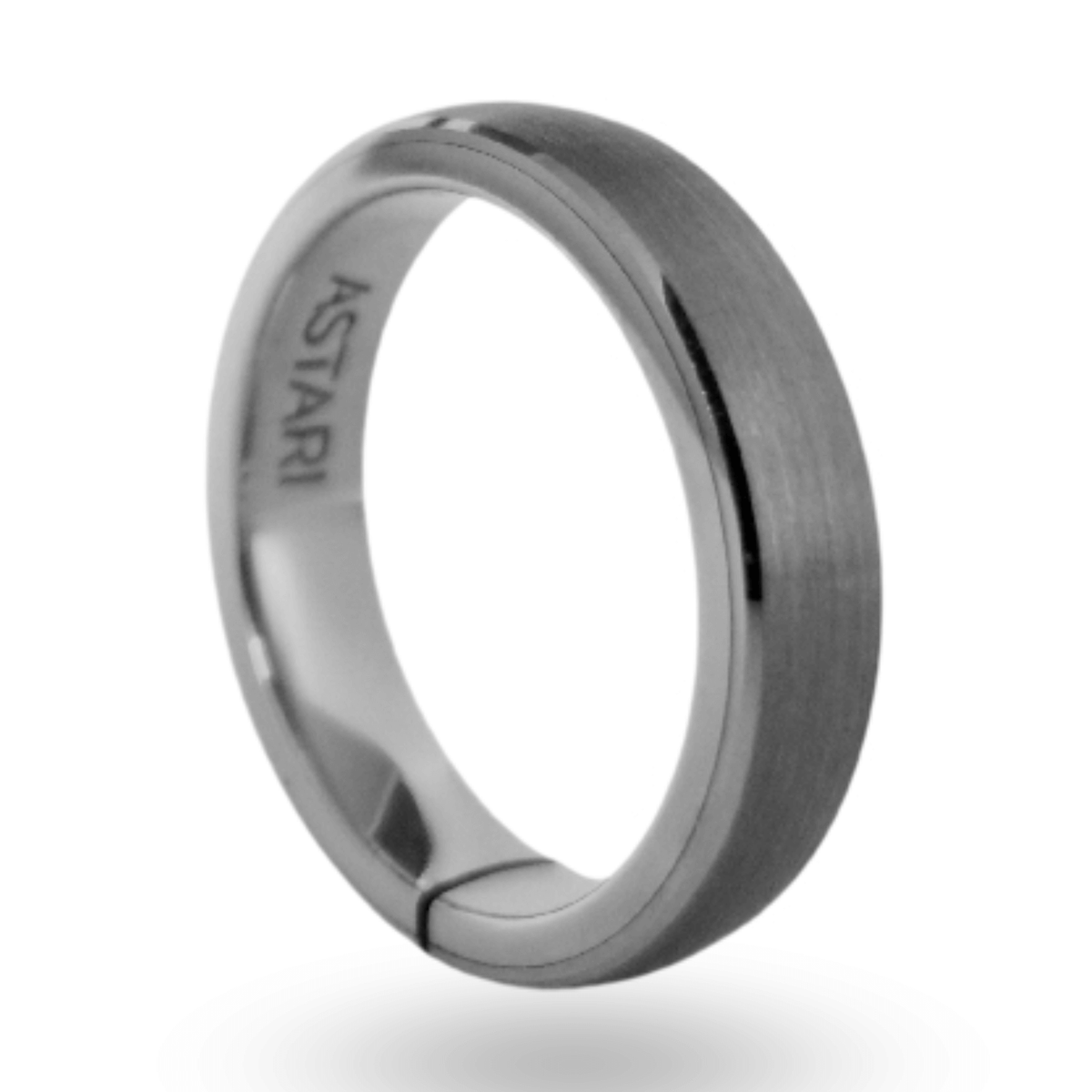
For a more premium look, ceramic core rings with metal plating offer a refined step up while keeping the practical benefits of ceramic construction. You can explore the Atlantis Silver Ceramic payment ring and Atlantis Gold Ceramic payment ring.
For the flagship feel, Astari full metal payment rings offer the most premium finish, including the Atlantis Silver Metal payment ring and Atlantis Gold Metal payment ring.
You can compare all available styles in the payment rings collection.
Frequently asked questions about how payment rings work
Most questions about payment rings come down to a few practical points: how the chip is powered, whether the ring needs charging, how secure the payment is, and whether it works like a normal contactless card.
How does a payment ring work?
A payment ring uses NFC technology to communicate with a contactless payment terminal. The terminal briefly powers the chip inside the ring, and the payment is processed through the normal banking network.
Does a payment ring need a battery?
No. Payment rings use passive NFC, which means they receive power from the payment terminal during the tap and do not need charging.
How does a payment terminal power the ring?
The terminal creates a short range electromagnetic field. When the ring is close enough, that field gives the chip enough energy to communicate securely with the terminal.
Are payment rings secure?
Yes. Payment rings use the same secure contactless payment infrastructure as modern bank cards, including tokenization, normal payment verification rules, and PIN verification where required.
Do payment rings use my real card number?
Payment systems use tokenization, which means your real card details are protected through a secure digital substitute during normal transactions.
Will I need to enter a PIN?
For smaller transactions, you may be able to tap and go. For larger purchases, PIN verification may apply depending on your bank, provider, country, and transaction amount.
Can I pay with a ring without my phone?
Yes. Once activated, a payment ring can work independently at compatible contactless terminals.
Where can I set up my Astari payment ring?
You can follow the setup flow on our setup page and check compatibility on our supported banks page.
A simple tap, powered by familiar technology
The most important thing to understand is that a payment ring looks new, but the payment system behind it is familiar. It uses NFC, passive technology, tokenization, banking networks, and contactless payment rules that people already rely on every day.
That is what makes the experience feel both modern and reassuring. The ring changes how you access payments, not the security or infrastructure behind them.
Once that becomes clear, the appeal is easy to understand. A payment ring is not complicated technology asking for attention. It is a simpler way to use the contactless payments you already know.