
Best Payment Wearable. Ring vs Bracelet vs Keychain Explained
There is a point where contactless payments become second nature.
You stop thinking about how you pay, and start caring about how simple it feels.
That is where payment wearables come in.
Instead of reaching for your wallet or phone, you use something that is already part of your daily routine. Something you are wearing, or something that is always within reach.
But once you decide to move to a wearable, another question appears.
Which one actually fits your life best.
How payment wearables work
All payment wearables use NFC technology, the same system used in contactless bank cards.
Inside each wearable is a small chip that communicates with payment terminals when you tap it. The transaction is encrypted, processed instantly, and completed just like a regular card payment.
If you are new to this, it helps to first understand what a payment ring is and how it works, since the same principle applies across all wearable types.
The difference is not in the technology.
It is in how you use it.
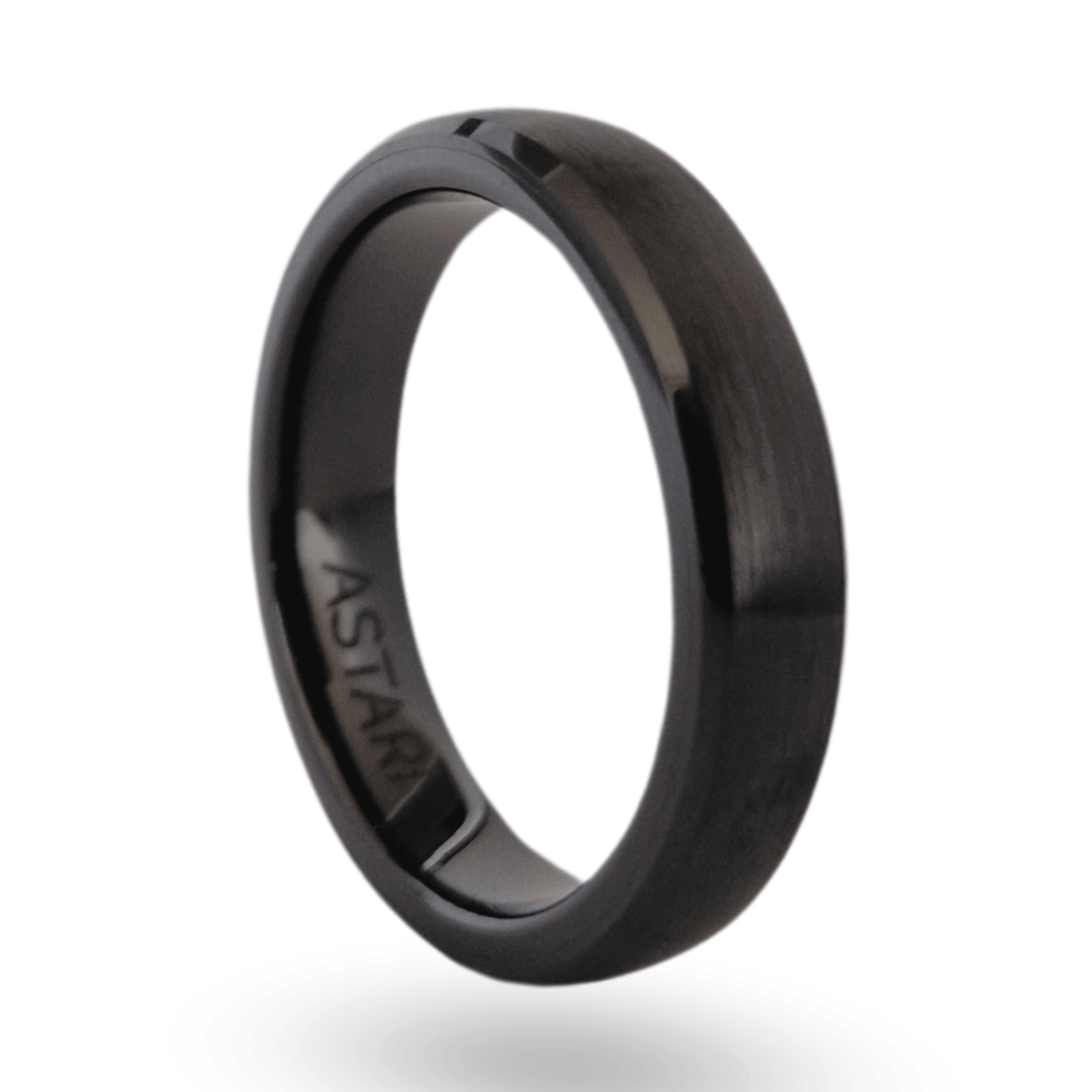
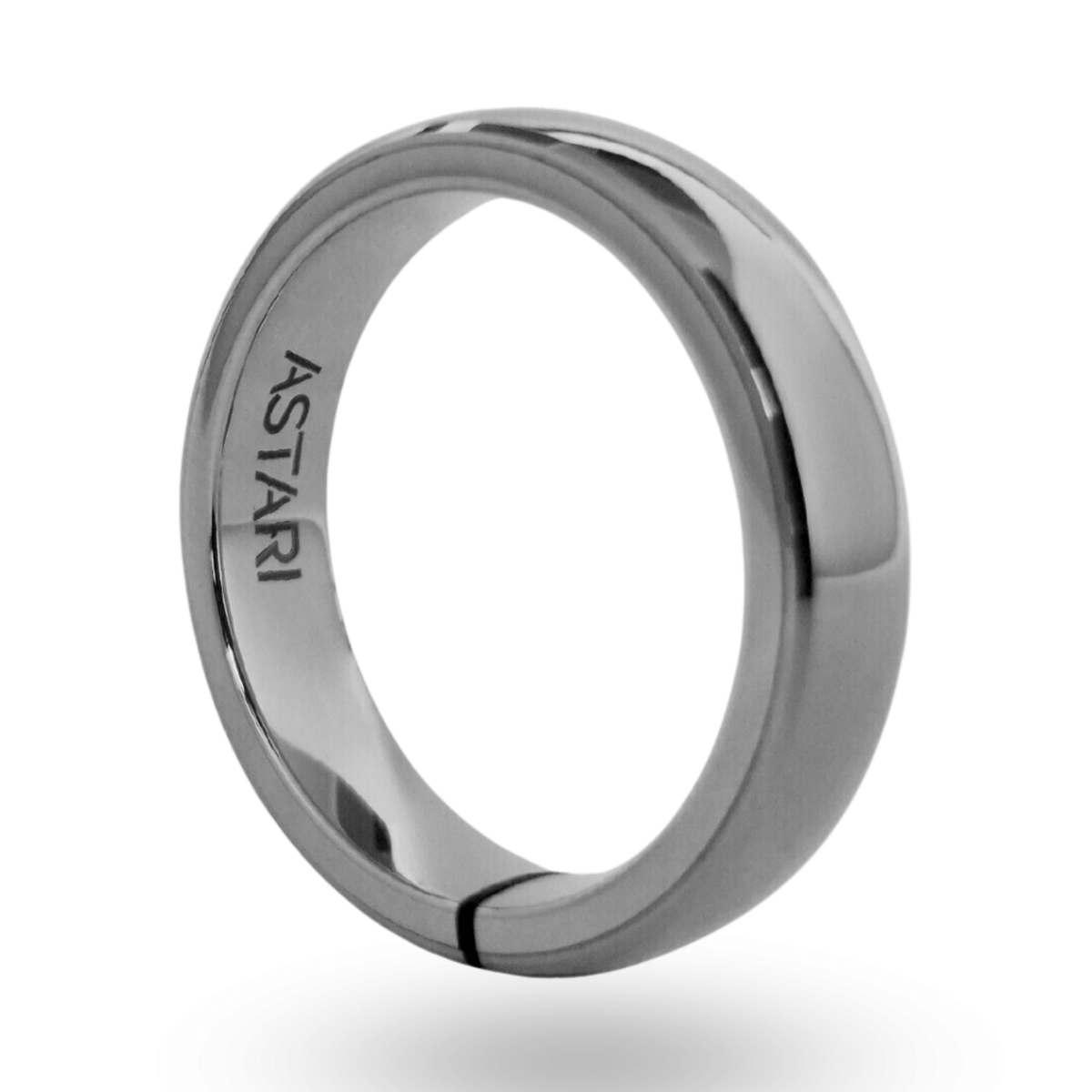
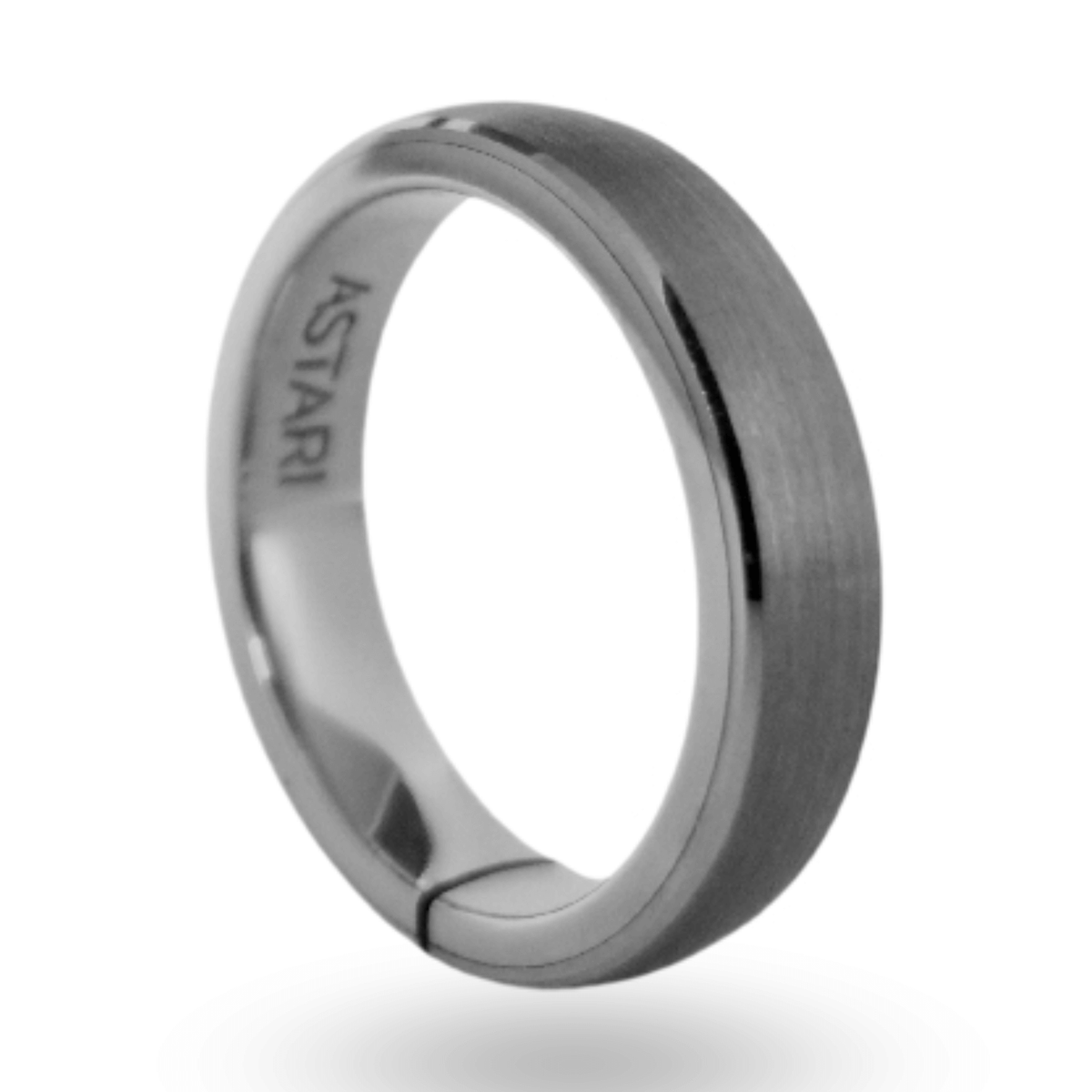
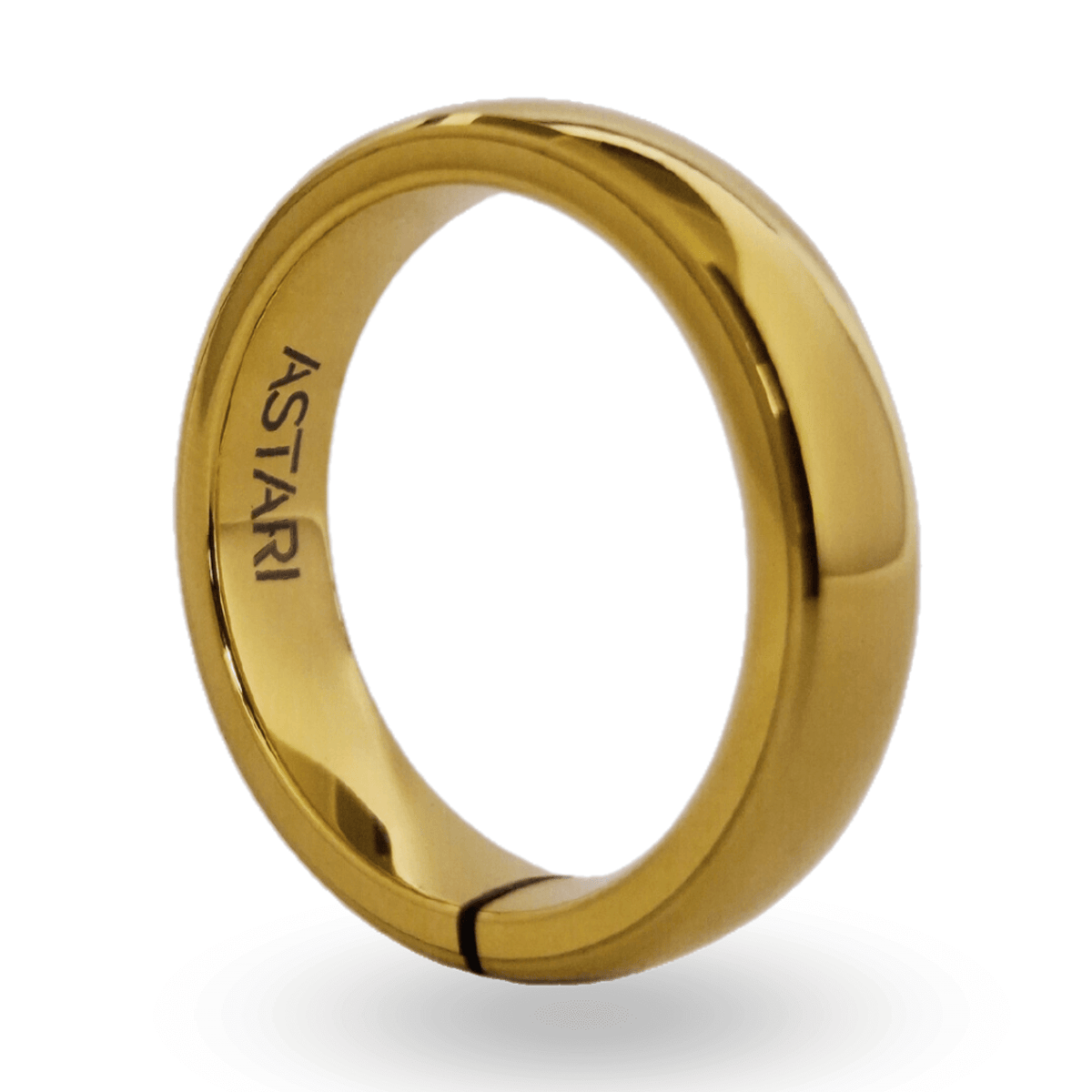
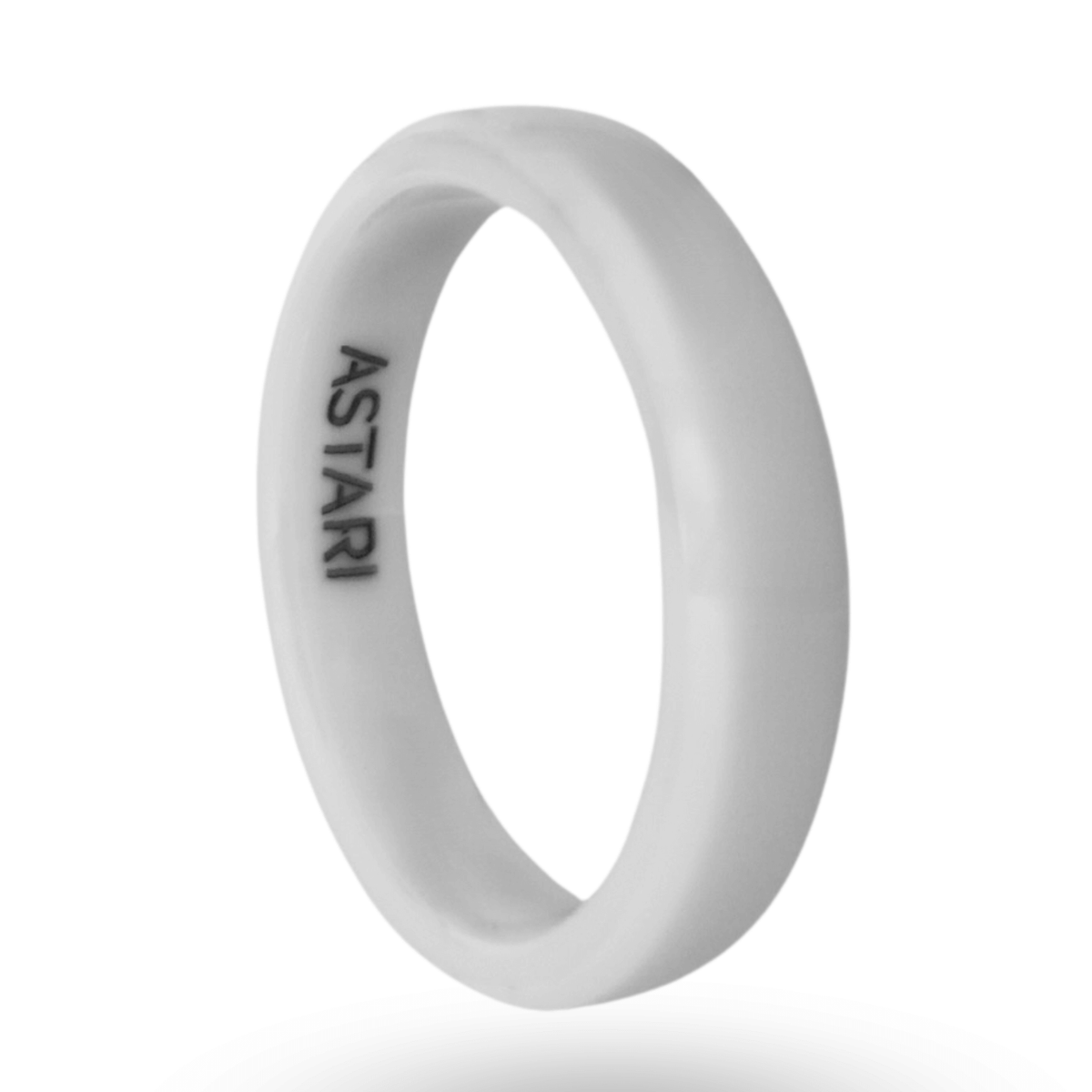
Why a payment ring is often the simplest choice
For many people, the payment ring becomes the default option.
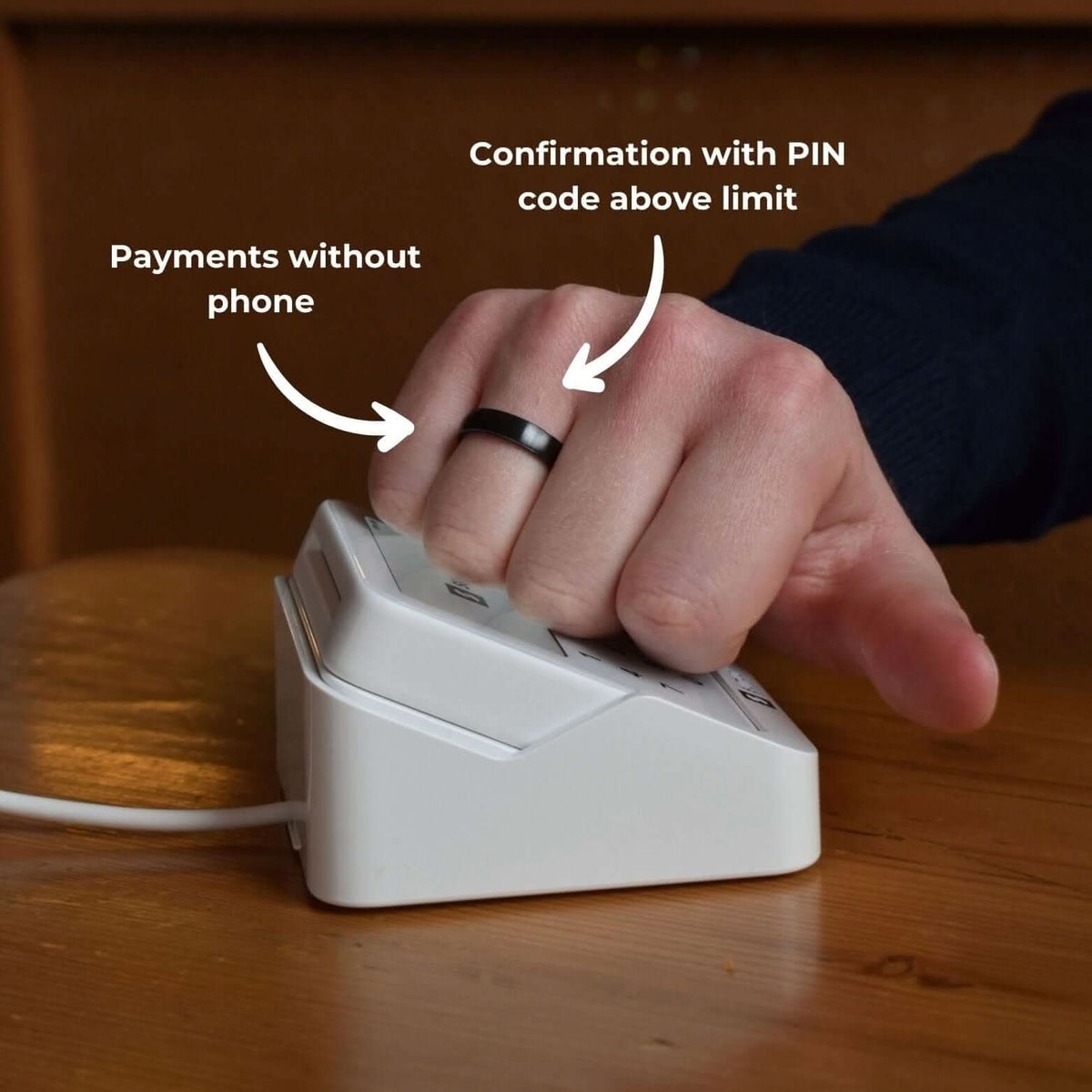
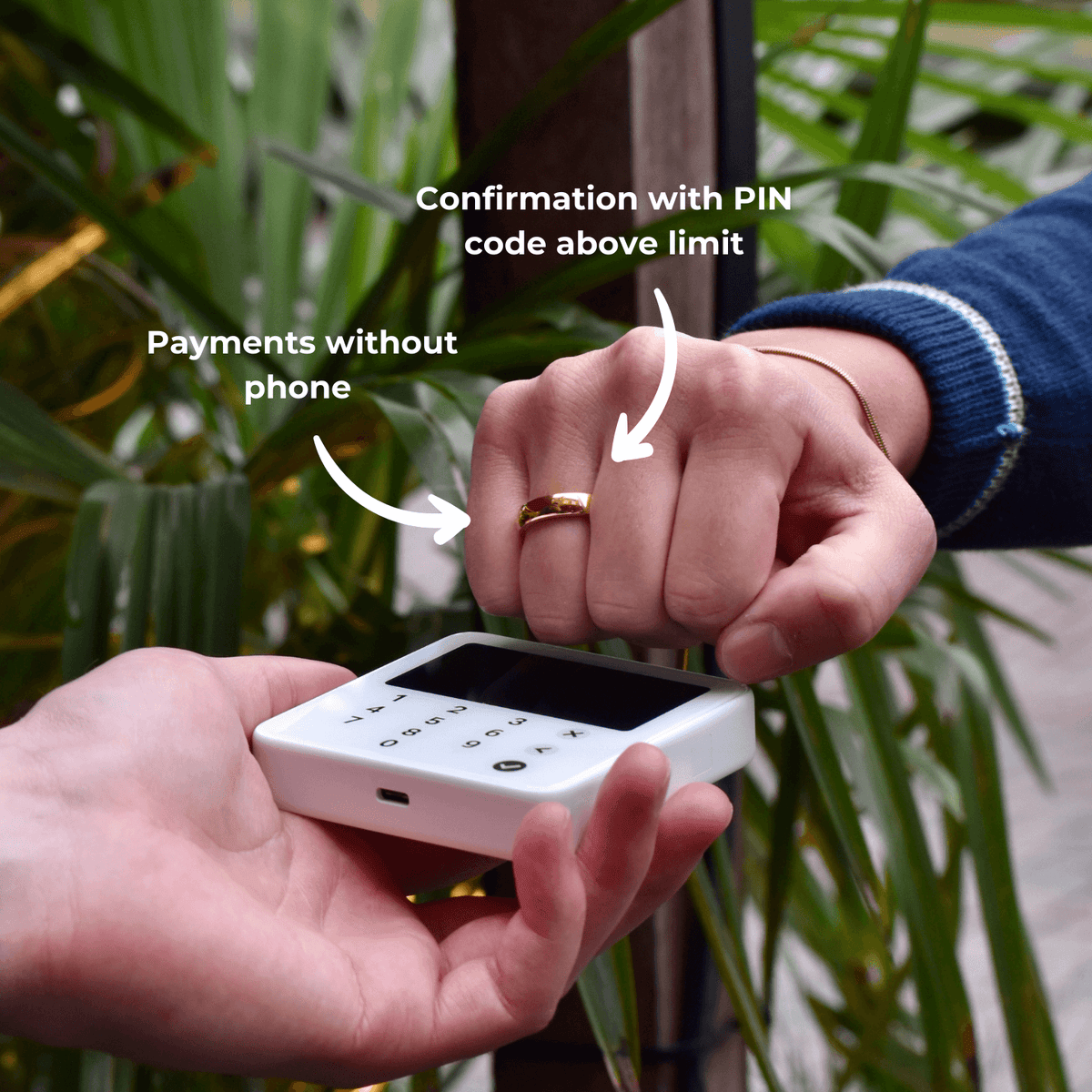
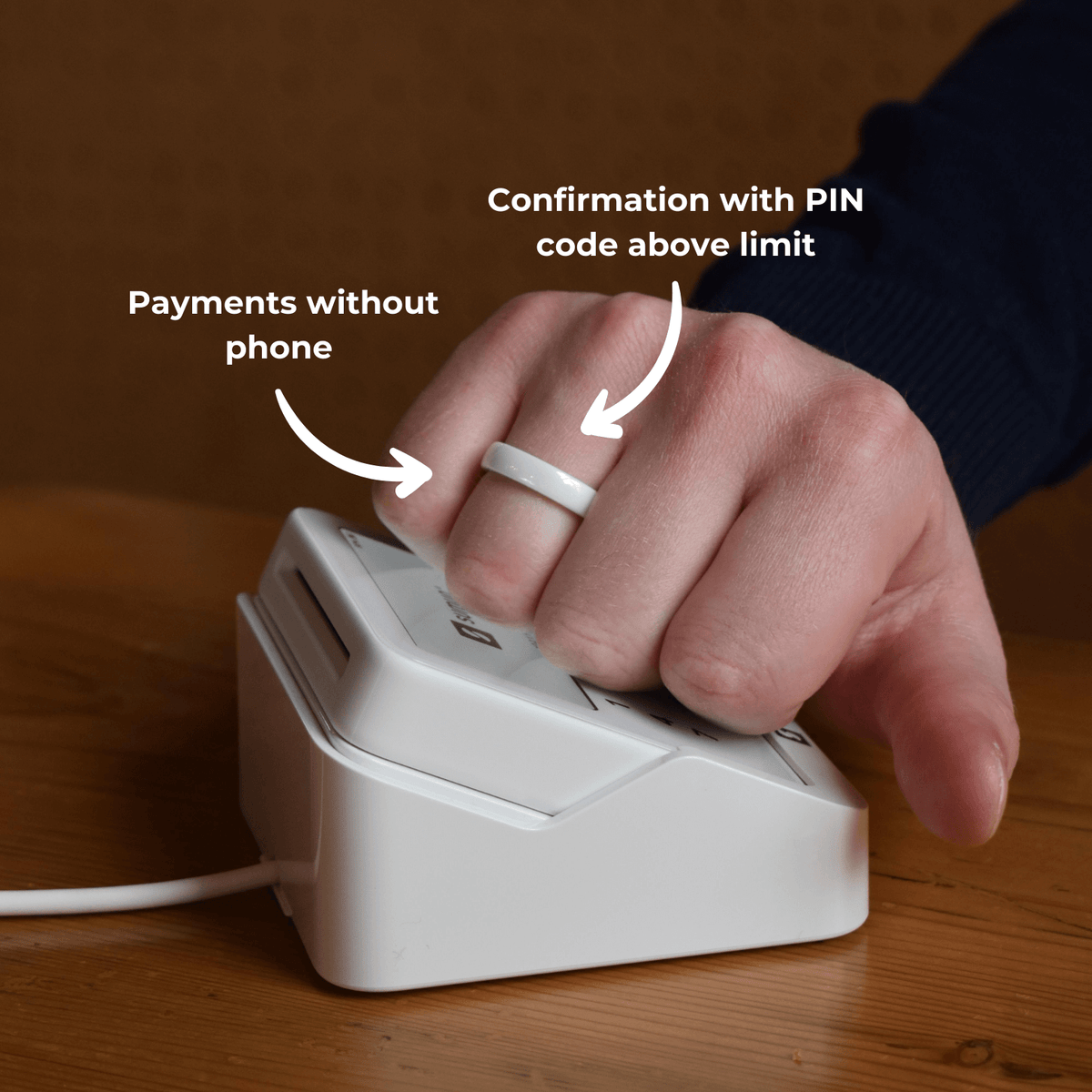
It is always on your hand, which means there is nothing to take out, nothing to hold, and nothing to think about.
You simply tap and pay.
That makes it especially useful in situations where your hands are full, or when your phone is not easy to access.
It also works well in more active moments.
Running, going to the gym, traveling light, or even just stepping out quickly without carrying anything else.
Because it uses passive NFC, there is no battery and nothing to charge. It is always ready.
Over time, this is what makes it feel like the easiest way to pay contactless.
If that is what you are looking for, you can explore the payment rings collection.
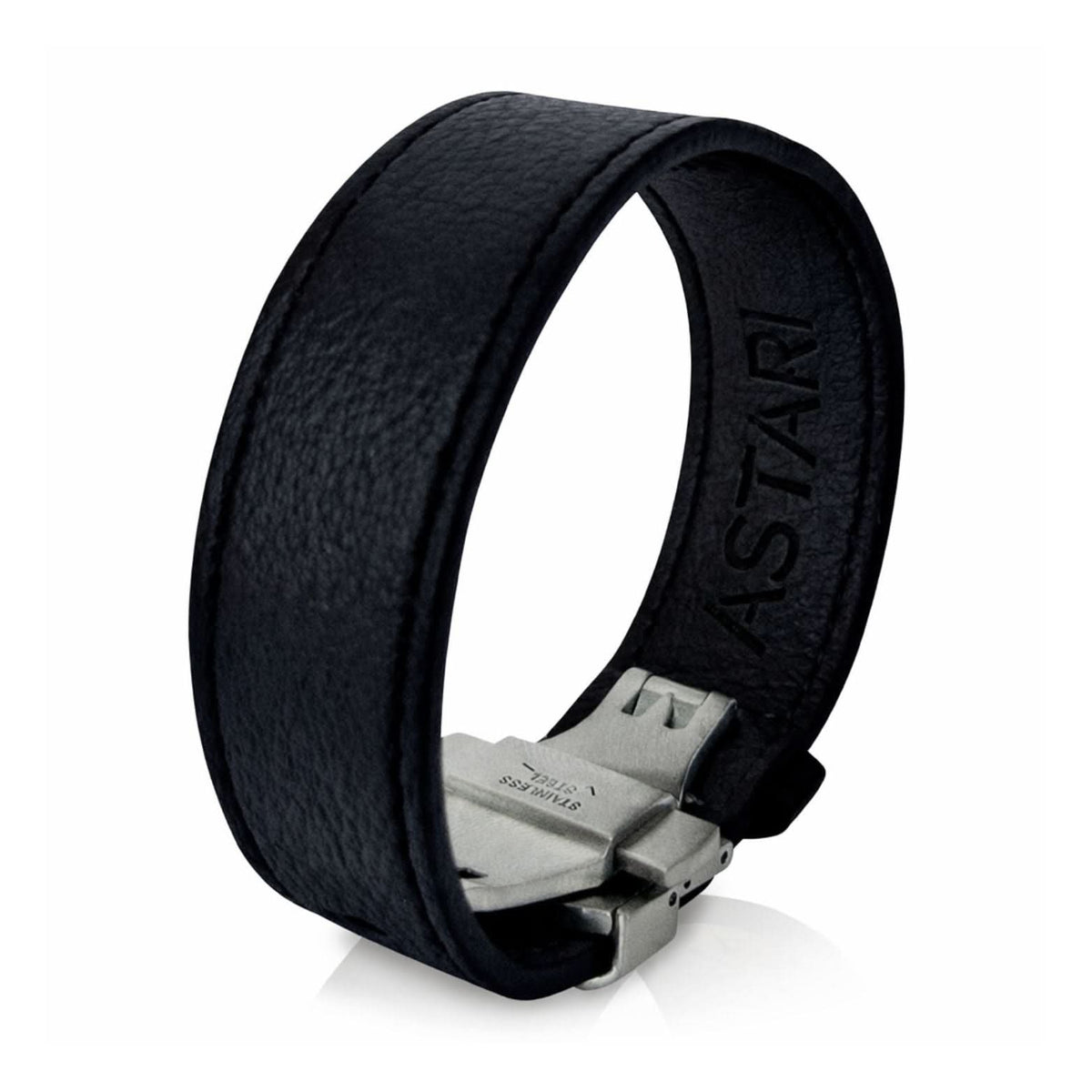
Why a payment bracelet feels more expressive
A payment bracelet offers a different kind of experience.
It combines function with design.
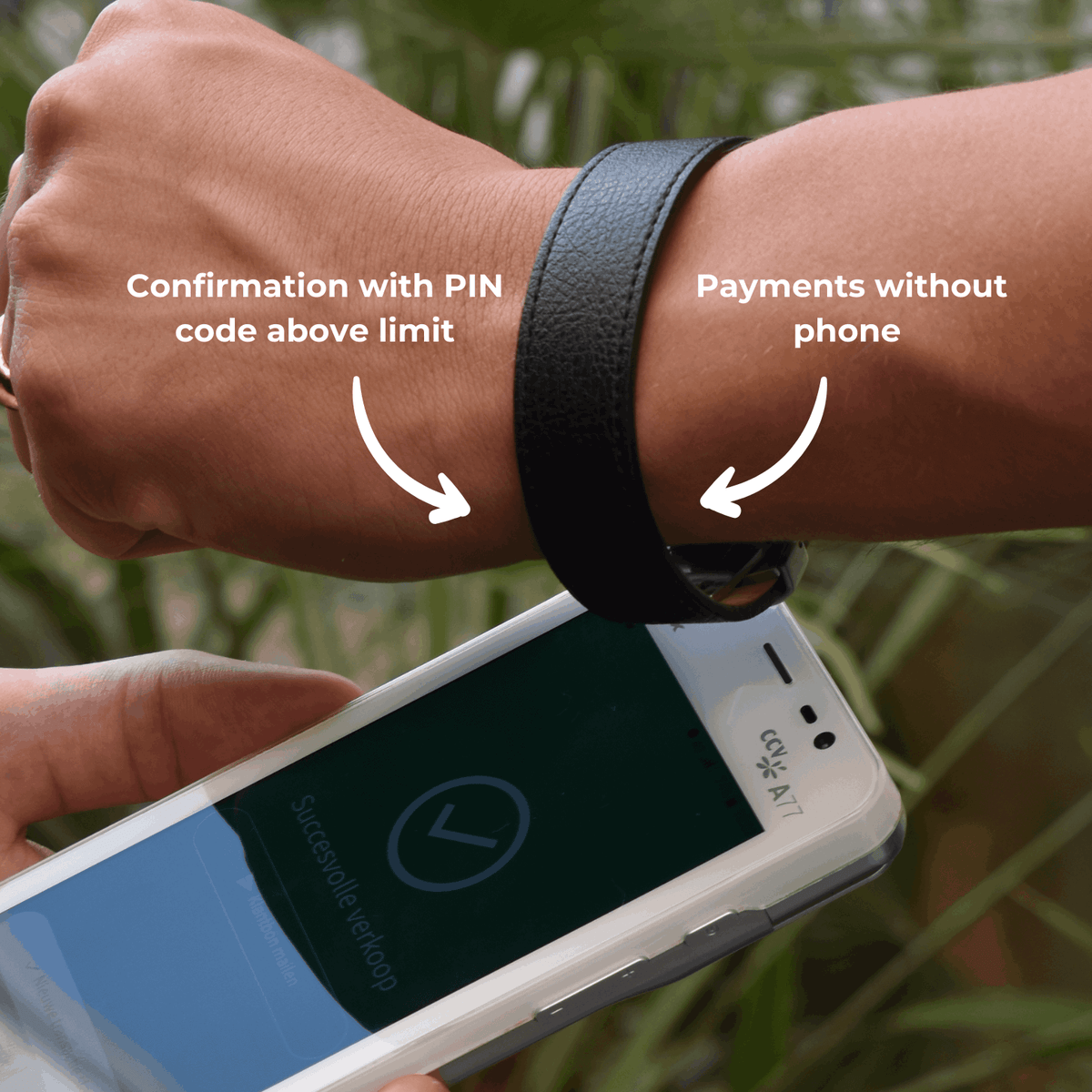
You still have the same contactless payment capability, but in a format that feels more like an accessory.
For some people, that matters.
It becomes part of their style, something they wear anyway, with the added benefit of being able to pay.
It is also practical in everyday use. Easy to access, comfortable to wear, and reliable in situations like travel, workouts, or daily routines.
If you want something that blends into your look while still being functional, this is often the right choice.
You can view available options in the payment bracelets collection.
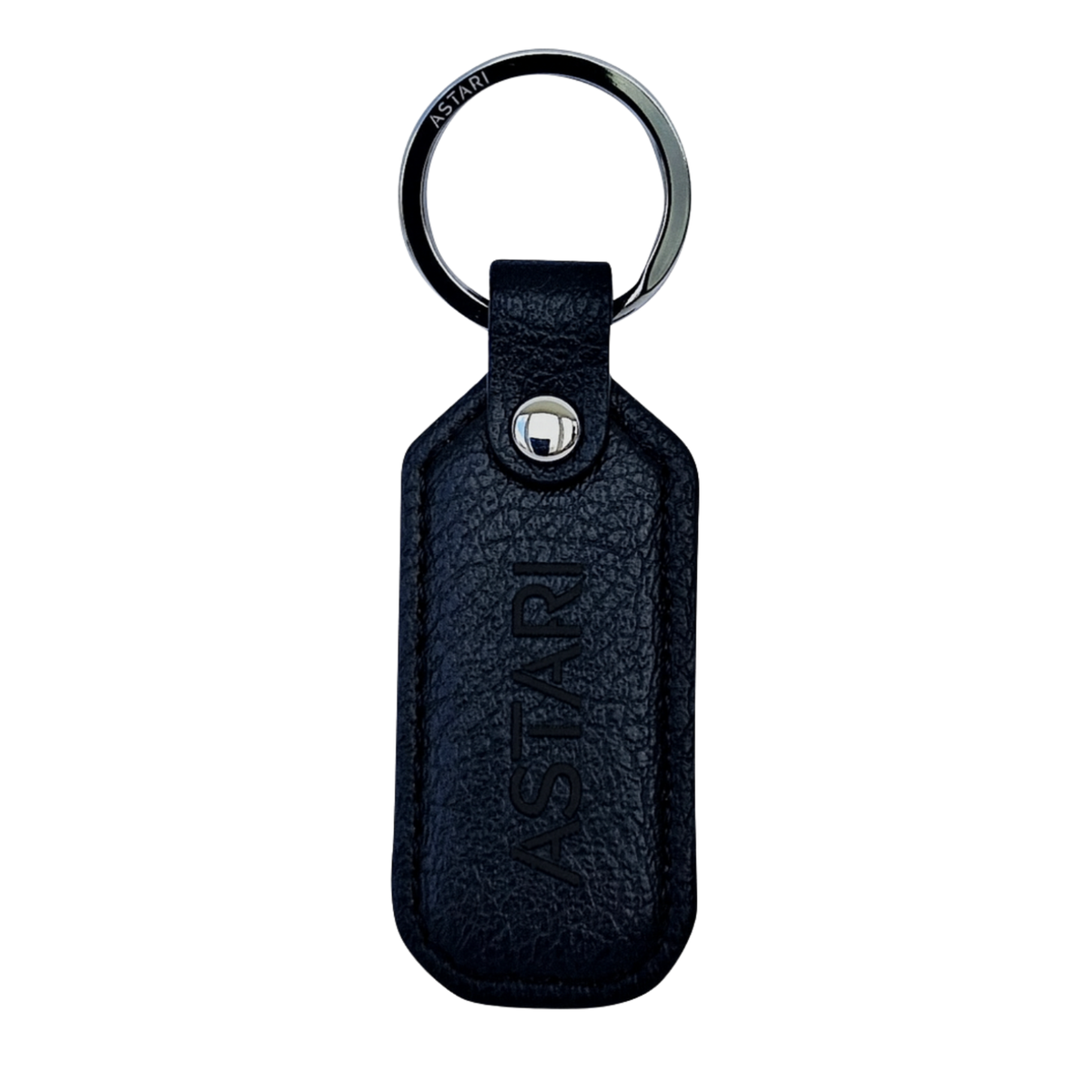
Why a payment keychain is the most flexible option
Not everyone wants to wear a ring or bracelet.
That is where a payment keychain makes sense.
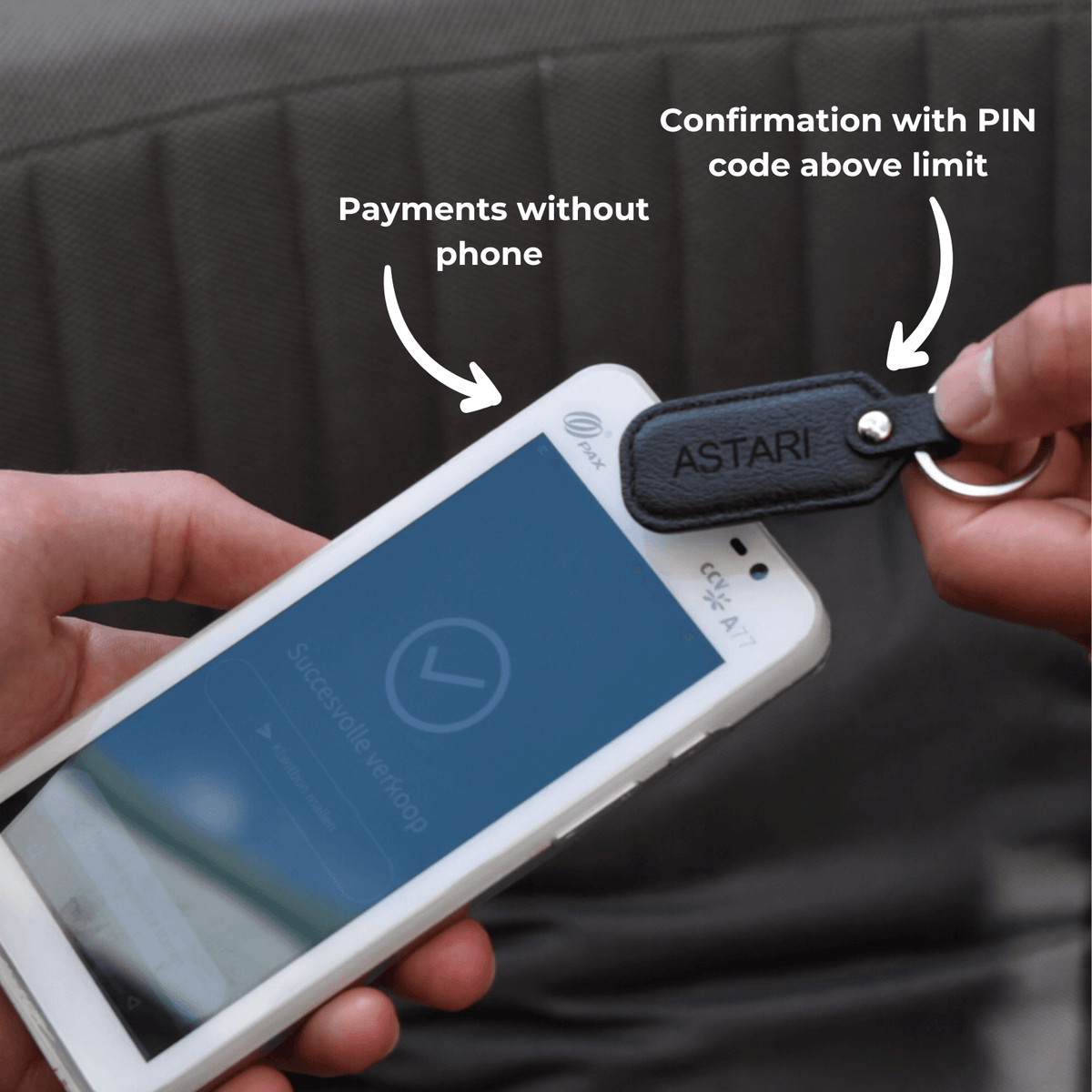
It gives you the same functionality, but in a format you can attach to your keys, bag, or lanyard.
You still get contactless payments, but without wearing anything.
This can be useful if you prefer something more familiar, or if you want a backup option alongside another wearable.
It is also practical for travel and quick access situations, where having something attached to your essentials makes it easy to use.
If this fits your preference, you can explore the payment keychains collection.
Choosing based on how you actually pay
The best way to choose is not by features, but by how you move through your day.
If you want the least amount of friction possible, a ring is usually the strongest option.
If you care about combining function with style, a bracelet stands out.
If you prefer not to wear anything, a keychain gives you flexibility without changing your habits too much.
It is less about what the product does, and more about how naturally it fits into your routine.
Paying without your phone or wallet
All three options share the same core benefit.
You do not need your phone or wallet to pay.
Once set up, they work independently.
That means you can leave your house, go about your day, and still be able to pay without thinking about what you brought with you.
If you want to see how this works in real life, you can read how to pay without a wallet or phone.
This is one of the main reasons people switch to wearable payments in the first place.
Security and reliability
No matter which wearable you choose, the security level is the same.
They all use the same NFC infrastructure as contactless bank cards. Transactions are encrypted, and higher payments still require PIN verification on the terminal.
If you want to understand this in more detail, you can explore the payment wearable security guide.
From a user perspective, it feels familiar.
From a technical perspective, it is built on proven systems.
Can you use more than one wearable
Many people end up using more than one.
A ring for daily use, a keychain as a backup, or a bracelet for different situations.
Each option solves the same problem in a slightly different way.
And because they are simple to use, switching between them does not add complexity.
If you want even more flexibility, you can also combine wearables with tools like Curve, as explained in this guide.
A small choice that shapes your daily experience
At first, choosing between a ring, bracelet, or keychain might feel like a design decision.
But it becomes more than that.
It affects how you pay every day.
Whether you reach for something, or whether it is already there.
Whether you think about it, or whether it happens automatically.
And that is why the right choice is not about features.
It is about what feels the most natural to you.
FAQ
What is the best payment wearable
It depends on your lifestyle. A payment ring is the most seamless, a bracelet combines style and function, and a keychain offers flexibility.
Do all payment wearables work the same way
Yes. They all use NFC technology and work like a contactless bank card.
Can you pay without a phone using a wearable
Yes. Once set up, payment wearables work independently.
Is a payment ring better than a bracelet or keychain
A ring is usually the most convenient, but the best option depends on personal preference.
Can you have multiple payment wearables
Yes. Many people use different wearables for different situations.
Which wearable is best for daily use
For most people, a payment ring becomes the easiest option because it is always on your hand.