
NFC vs RFID. Complete Guide for Payment Rings and Contactless Payments
Most people experience contactless payments as something simple.
You tap your card, your phone, or your ring, and the payment goes through instantly.
But behind that moment sits a specific type of technology that determines how secure, reliable, and scalable that experience is.
Two terms often come up when looking into this.
NFC and RFID.
They are closely related, but not interchangeable. And understanding the difference is essential if you want to understand how modern contactless payments, including payment rings, actually work.
If you are new to wearable payments, it helps to first understand what a payment ring is before going deeper into the technology.
What is RFID. The broader technology layer
RFID stands for Radio Frequency Identification.
It is a wireless communication system that allows data to be transmitted between a tag and a reader using radio waves.
At a system level, RFID consists of a tag that contains a microchip and antenna, a reader that emits radio signals and receives responses, and a communication protocol that defines how data is exchanged.
RFID operates across multiple frequency ranges.
Low Frequency is used for access control and animal tracking. High Frequency is used for cards and short range systems. Ultra High Frequency is used for logistics and inventory tracking.
Depending on the frequency and power level, RFID systems can operate from a few centimeters up to several meters.
This flexibility makes RFID highly effective for identification and tracking, but it also means it is not inherently optimized for secure financial transactions.
What is NFC. A secure subset of RFID
NFC, or Near Field Communication, is a specialized subset of high frequency RFID.
It operates at 13.56 MHz and is specifically designed for secure, short range communication.
The key difference lies in how communication is controlled.
NFC limits interaction to a range of approximately 4 centimeters. This constraint is intentional and fundamental to its security model.
NFC also introduces two way communication, meaning both the reader and the device can exchange information, rather than one simply reading a passive tag.
This makes NFC suitable for applications where authentication, encryption, and controlled interaction are required.
Such as contactless payments.
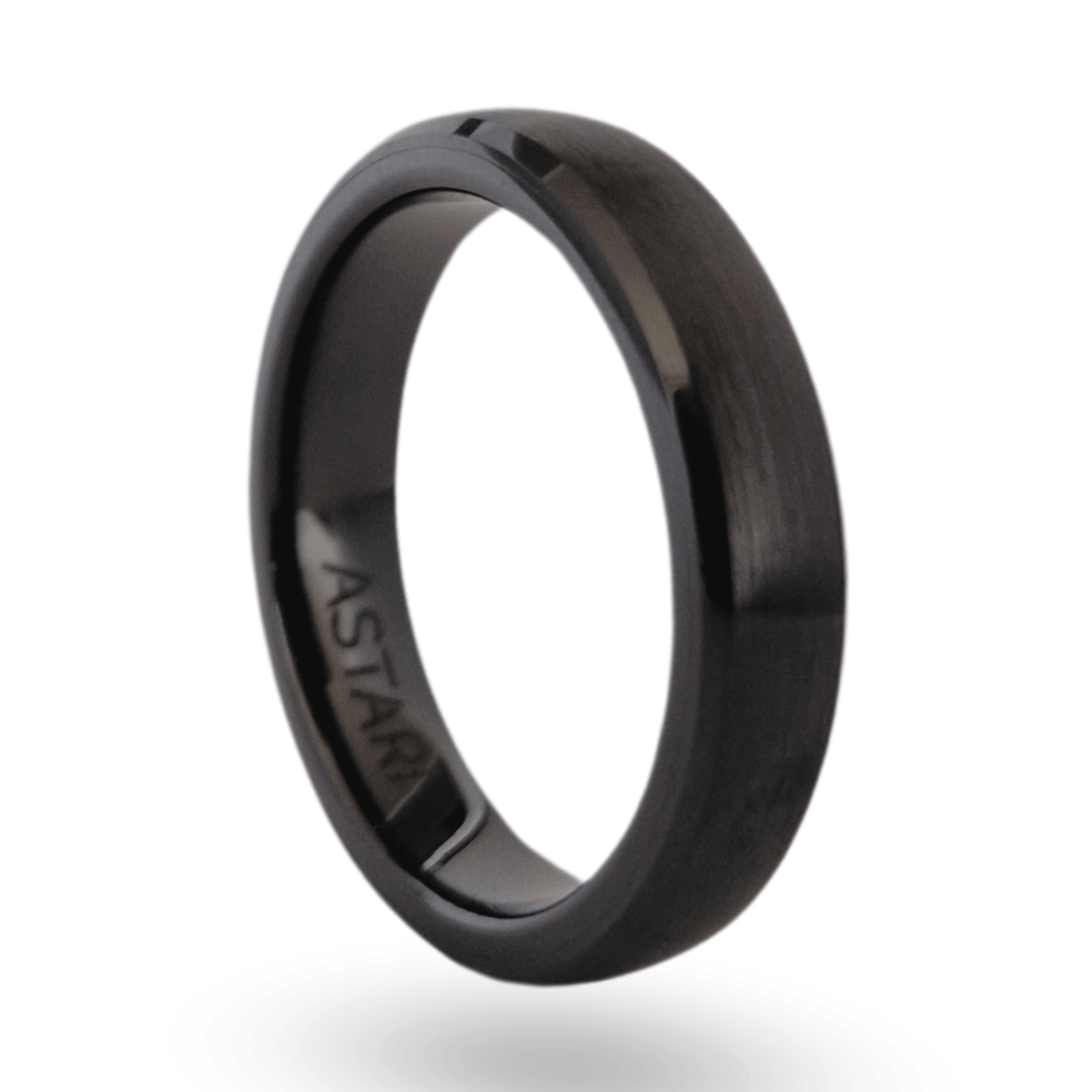
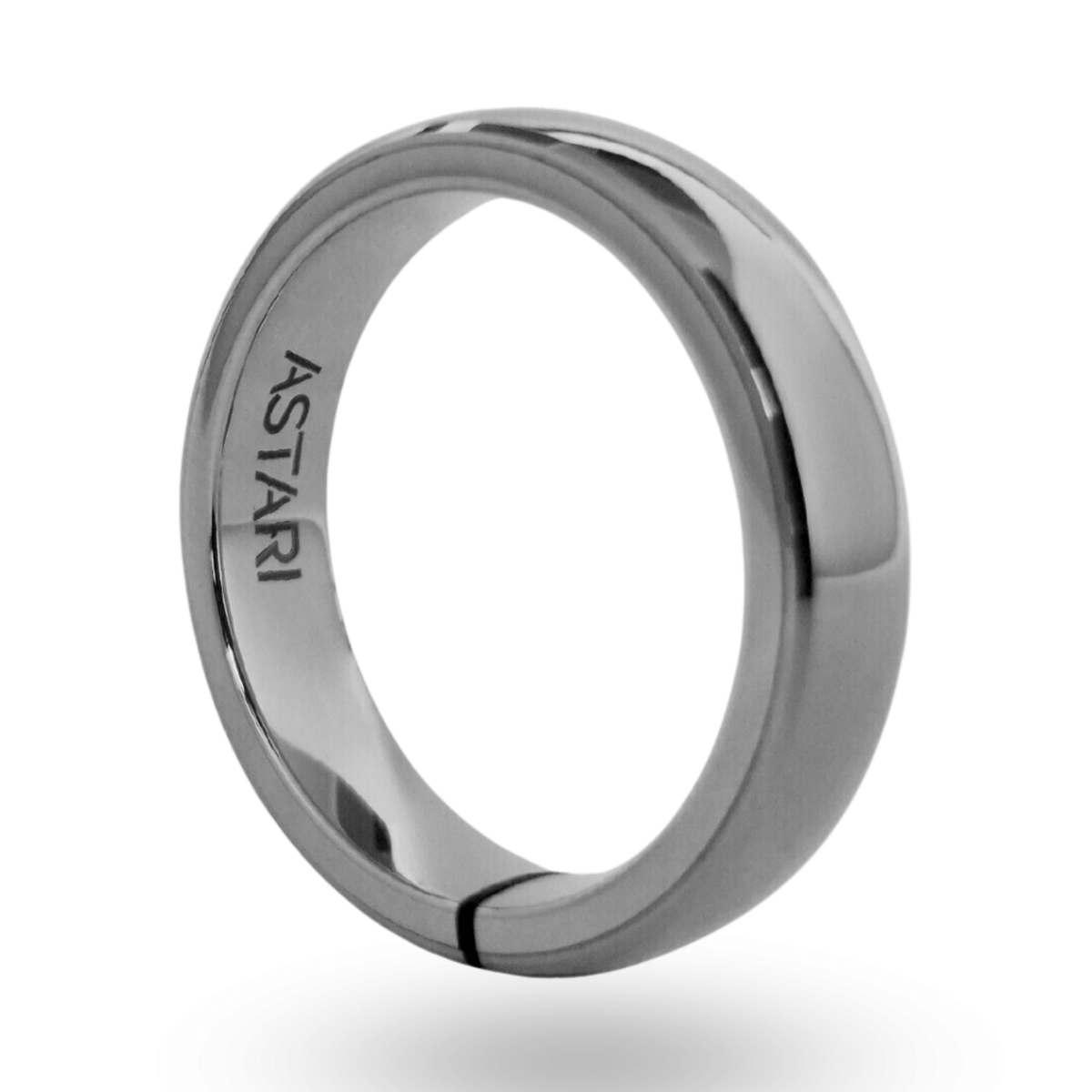
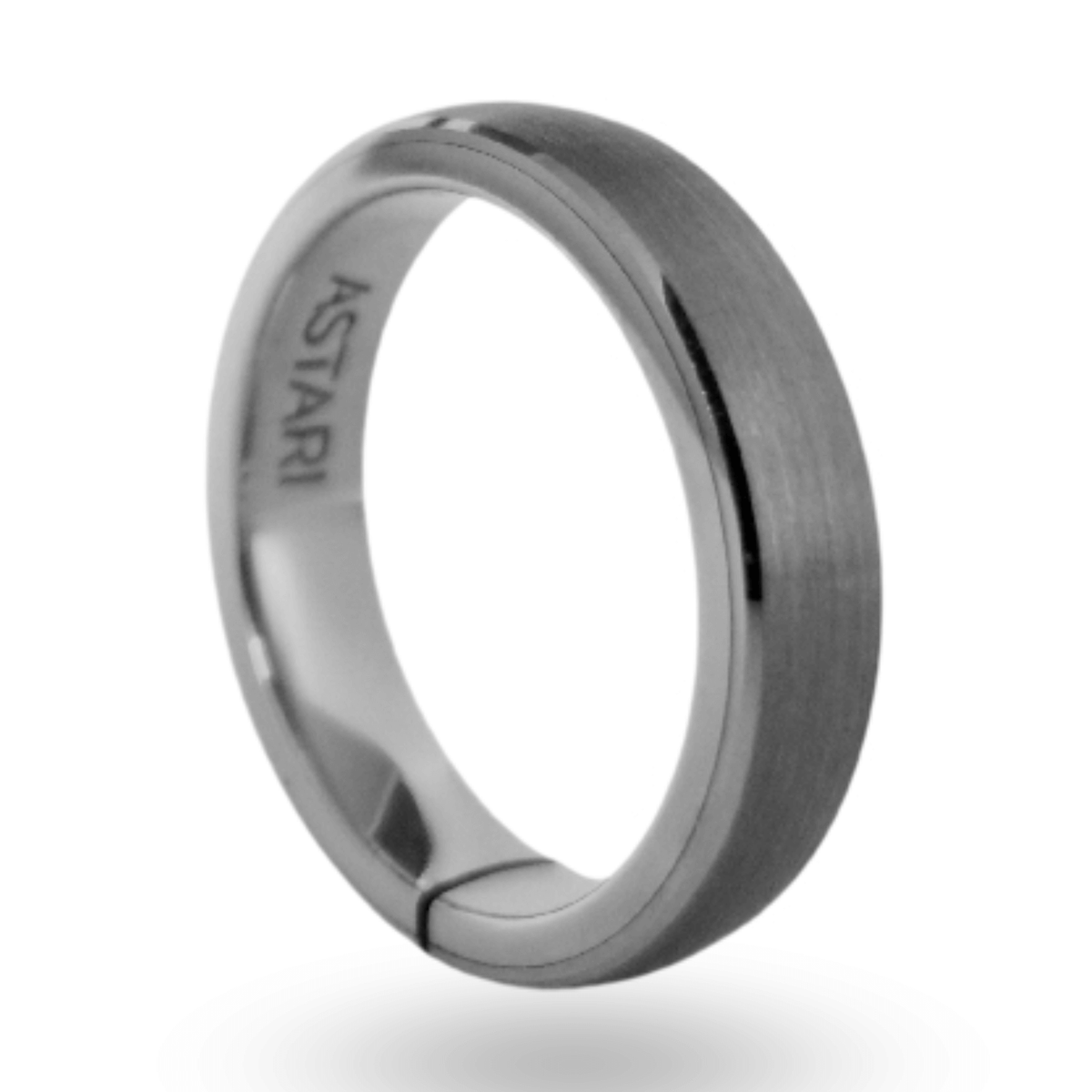
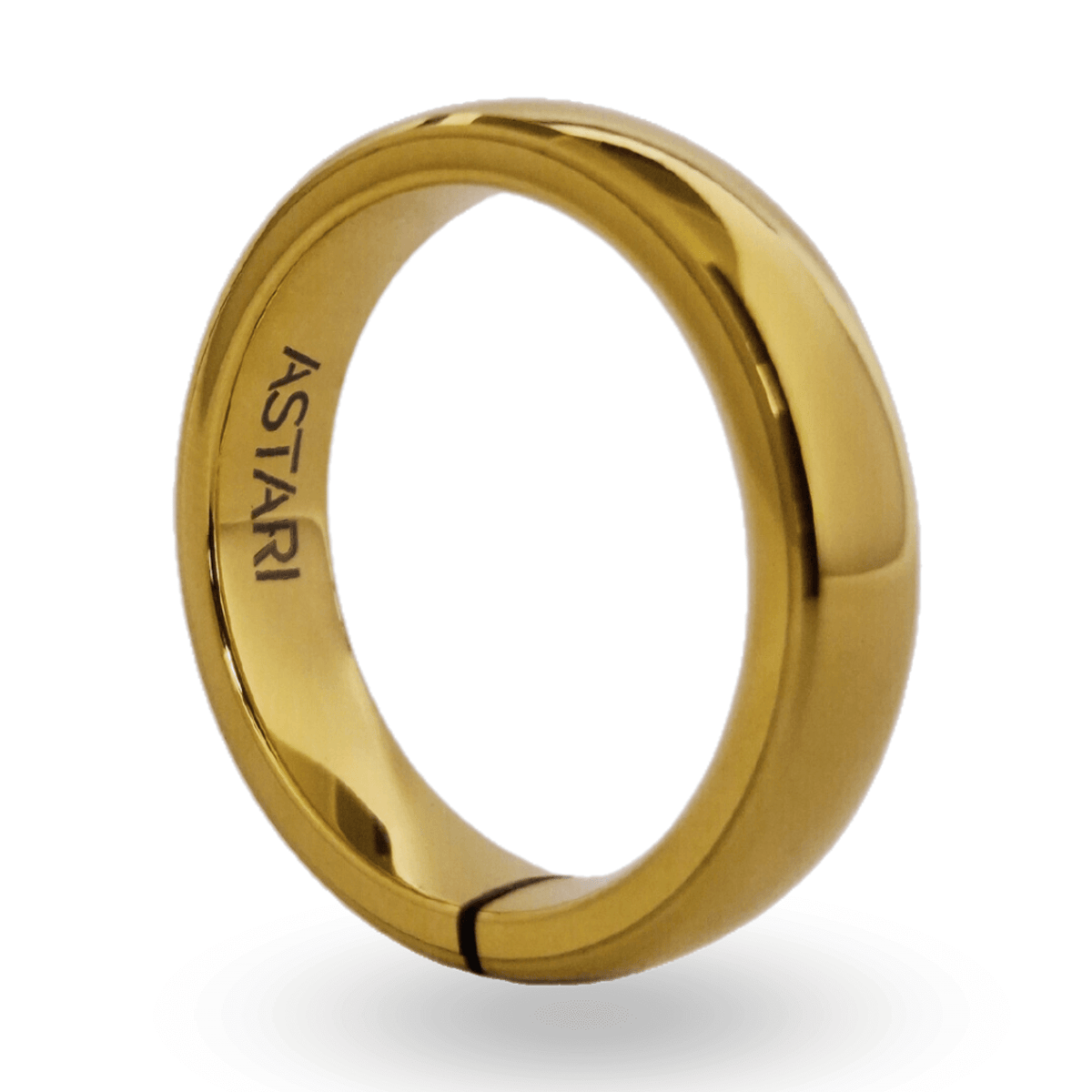
This is also why all modern payment wearables rely on NFC. You can see how this is applied in practice in how a payment ring works.
How NFC payments actually work
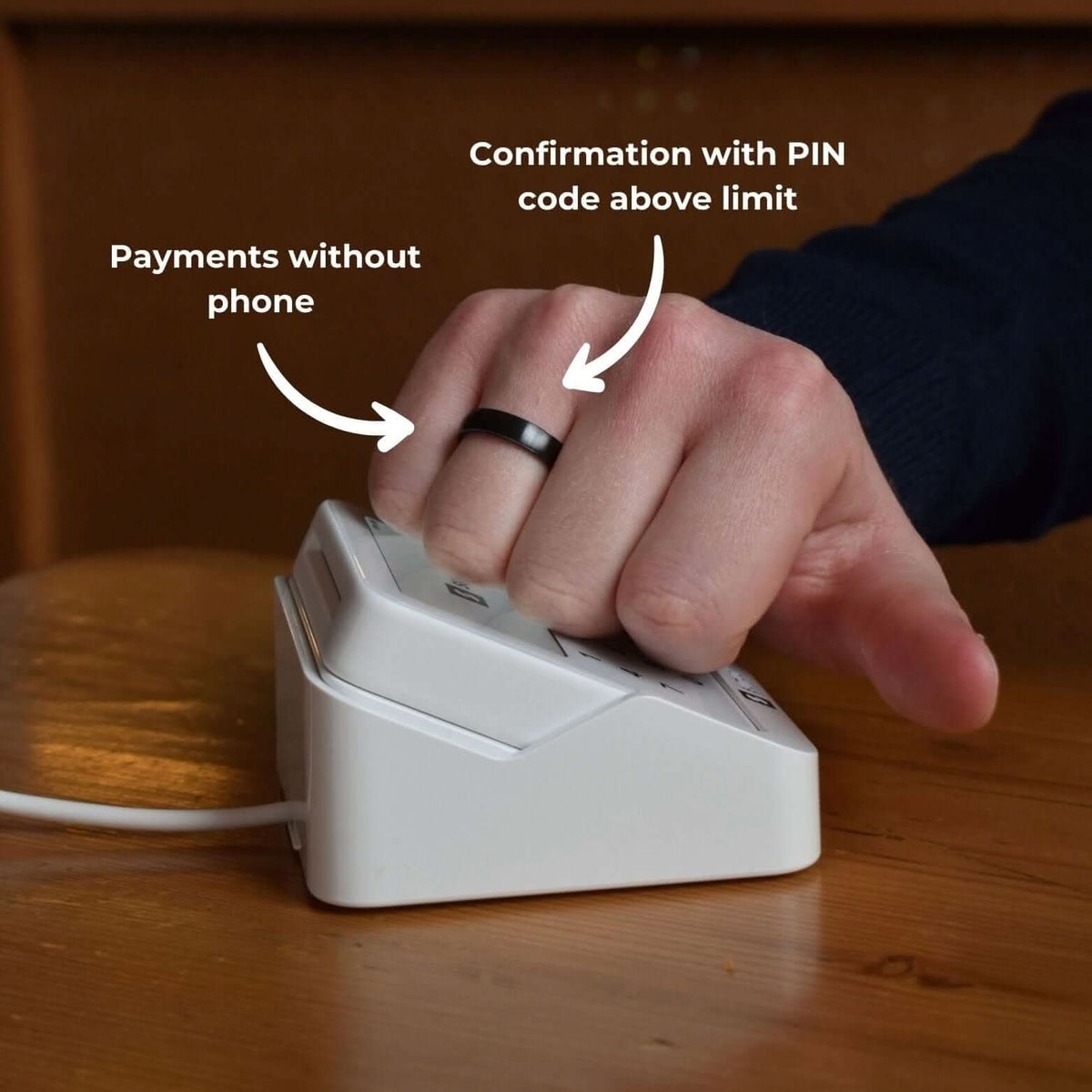
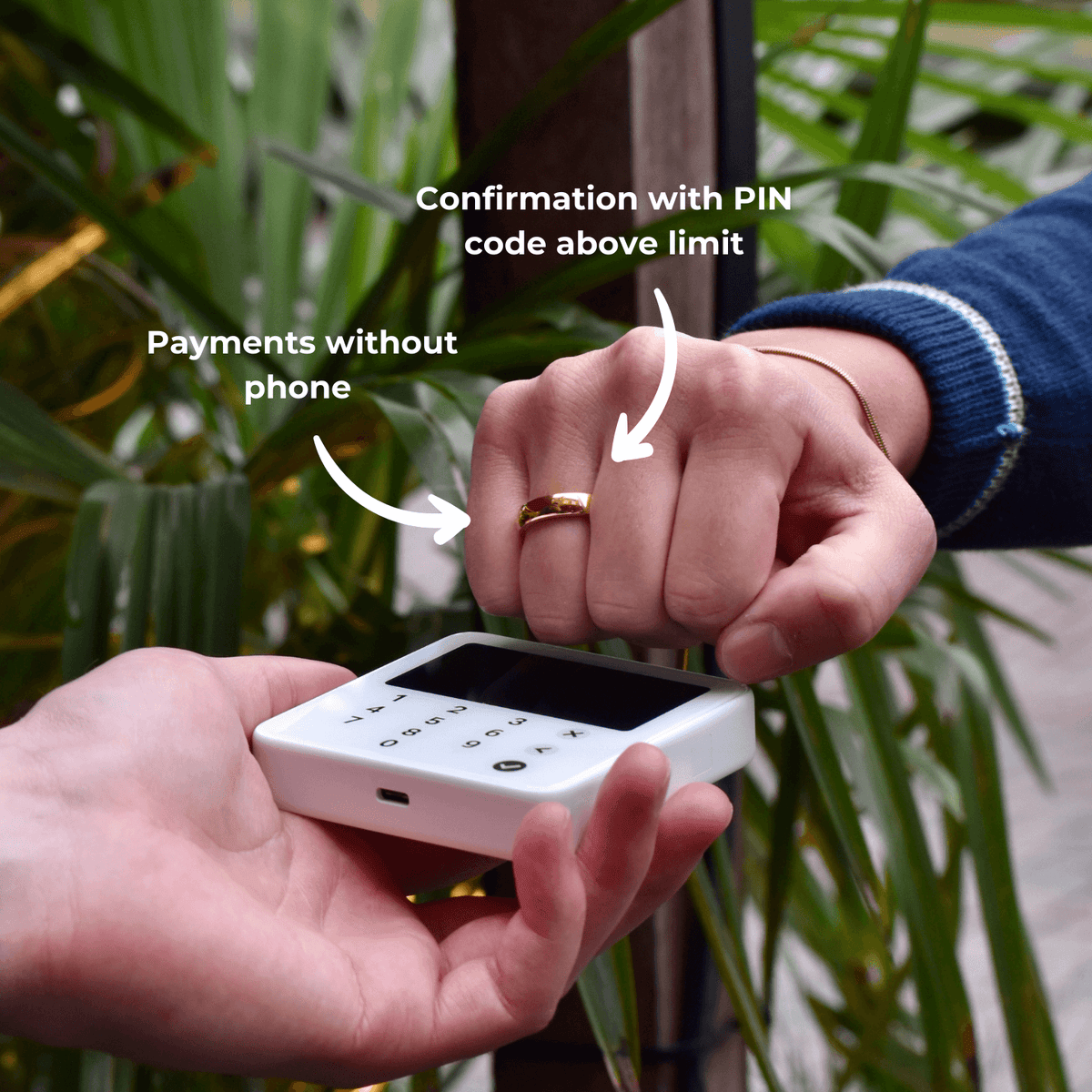
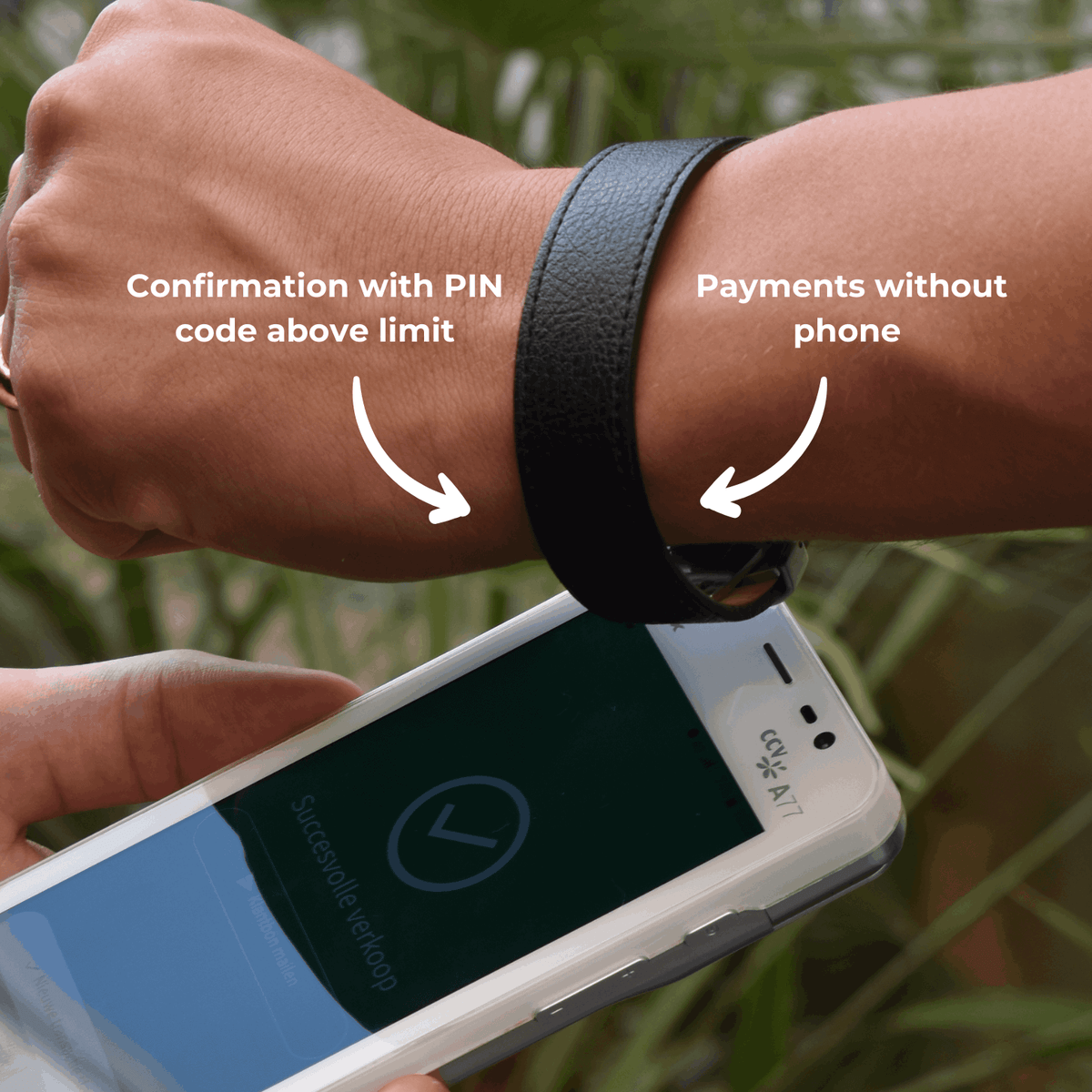
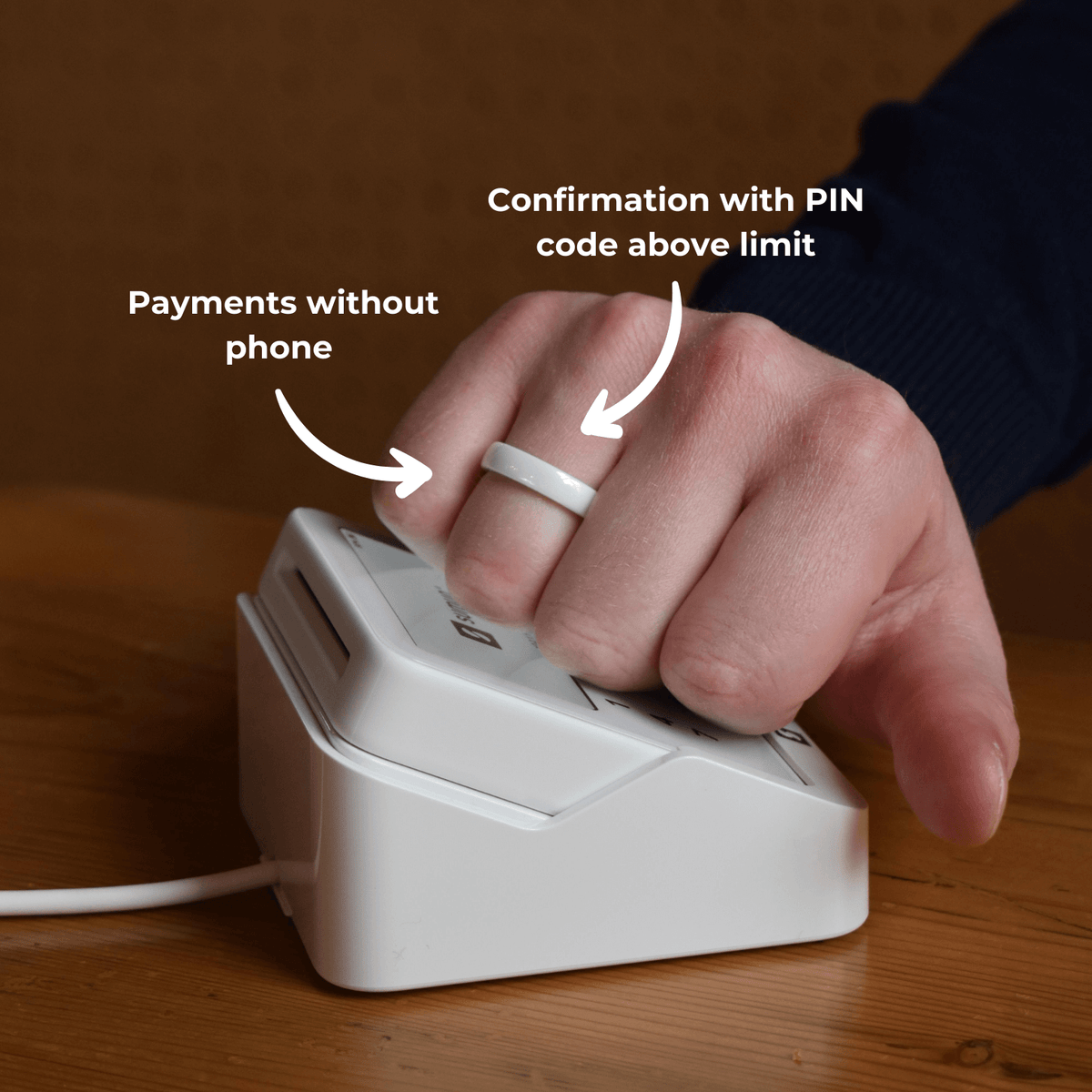
When you tap a payment ring, several steps happen in a fraction of a second.
The payment terminal generates an electromagnetic field. This field powers the NFC chip inside the ring, since it is a passive device with no battery.
The chip then initiates communication using standardized protocols such as ISO 14443.
At this point, the transaction enters the secure payment layer.
Instead of transmitting your actual card number, the system uses tokenization. This replaces your card details with a unique digital token that is linked to your account but cannot be reused elsewhere.
The terminal sends this token through the payment network, where it is verified and approved.
All of this happens almost instantly, with encryption applied at multiple stages.
This is the same infrastructure used by contactless bank cards and mobile wallets.
If you want to understand how this fits into daily usage, you can also explore how to pay without a wallet or phone.
RFID vs NFC. Key differences
At a high level, RFID and NFC share the same foundation, but differ significantly in implementation.
RFID can operate over longer distances, while NFC is restricted to very short range communication.
RFID is often one way, where a reader scans a tag. NFC supports two way communication, allowing for secure exchanges.
RFID systems are typically used for tracking, logistics, and access control. NFC is designed for applications that require security and user interaction, such as payments.
From a security perspective, NFC integrates encryption, tokenization, and strict proximity requirements, making it suitable for financial use cases.
Why NFC is the standard for contactless payments
Modern payment systems require three things.
Security, reliability, and user control.
NFC provides all three.
The short communication range ensures that transactions only occur when intentionally initiated. Encryption protects the data during transmission. Tokenization ensures that sensitive information is never exposed.
This combination makes NFC inherently suited for payments.
It is also why global payment networks and banks have standardized around NFC for contactless transactions.
So when you use a payment ring, you are not using a different system.
You are using the same system as your bank card, just accessed in a simpler way.
Security architecture of NFC payment wearables
Security in NFC payments is layered.
At the device level, the chip is designed to resist tampering and unauthorized access.
At the communication level, data is encrypted and transmitted over a very short distance.
At the network level, tokenization replaces sensitive data with secure identifiers.
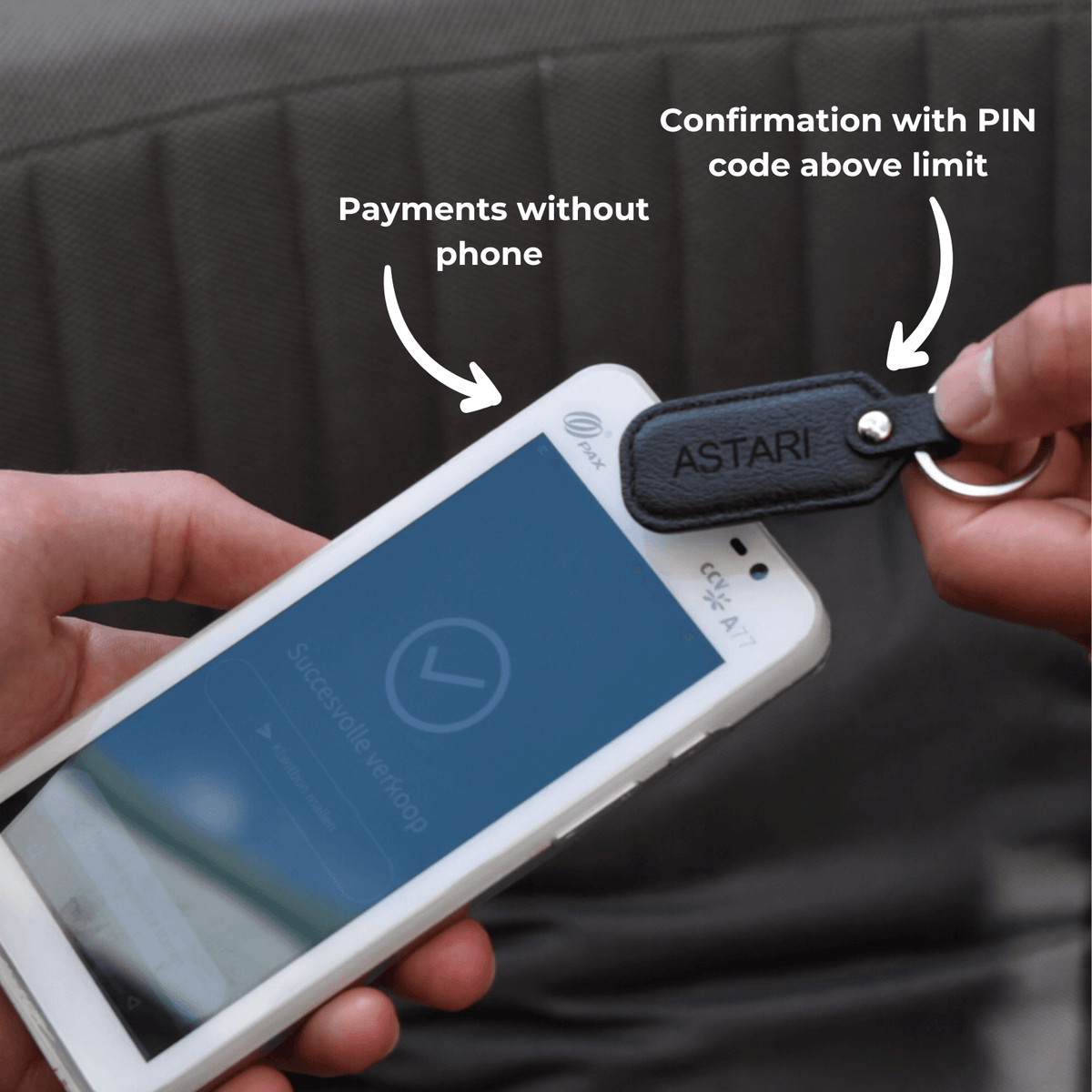
At the transaction level, additional protections such as payment limits and PIN verification apply.
Together, these layers create a system where multiple safeguards are active at the same time.
If security is your main concern, you can also read how safe payment rings are.
Why passive NFC matters for payment rings
Payment rings use passive NFC technology.
This means the device does not contain a battery and does not actively transmit signals. It only becomes active when placed within the electromagnetic field of a payment terminal.
This has several implications.
The ring is always ready to use. There is no dependency on battery life or device uptime.
The attack surface is reduced, since the device is not continuously powered or broadcasting.
The experience becomes more reliable, especially in everyday situations where simplicity matters.
This is one of the reasons passive NFC wearables are gaining traction as a minimal and dependable payment method.
Real world applications. RFID vs NFC
Both technologies are widely used, but in different contexts.
RFID is used in systems where detection over distance is useful. Inventory tracking, warehouse management, and access badges are common examples.
NFC is used in systems where interaction needs to be intentional and secure. Contactless payments, digital wallets, and transit systems rely on NFC.
Most people interact with both technologies regularly, even if they are not aware of it.
The difference becomes clear when you consider the level of control and security required.
Can NFC be intercepted or misused
From a theoretical standpoint, any wireless communication can be targeted.
In practice, NFC is designed to minimize this risk.
The communication range is extremely limited. The data is encrypted. The tokenization process ensures that transmitted information cannot be reused.
In addition, payment systems enforce transaction limits and require PIN verification for higher amounts.
These combined measures make unauthorized use highly impractical.
Do contactless cards use NFC or RFID
Modern contactless credit and debit cards use NFC.
This allows them to support encrypted transactions, tokenization, and compatibility with global payment infrastructure.
Older RFID systems did not offer the same level of security and are not used for financial transactions.
So if you already use contactless payments today, you are already relying on NFC.
Why NFC is central to the future of payments
As payments become more embedded into everyday objects, the requirements remain the same.
They need to be secure. They need to be reliable. And they need to be effortless.
NFC meets these requirements without adding complexity.
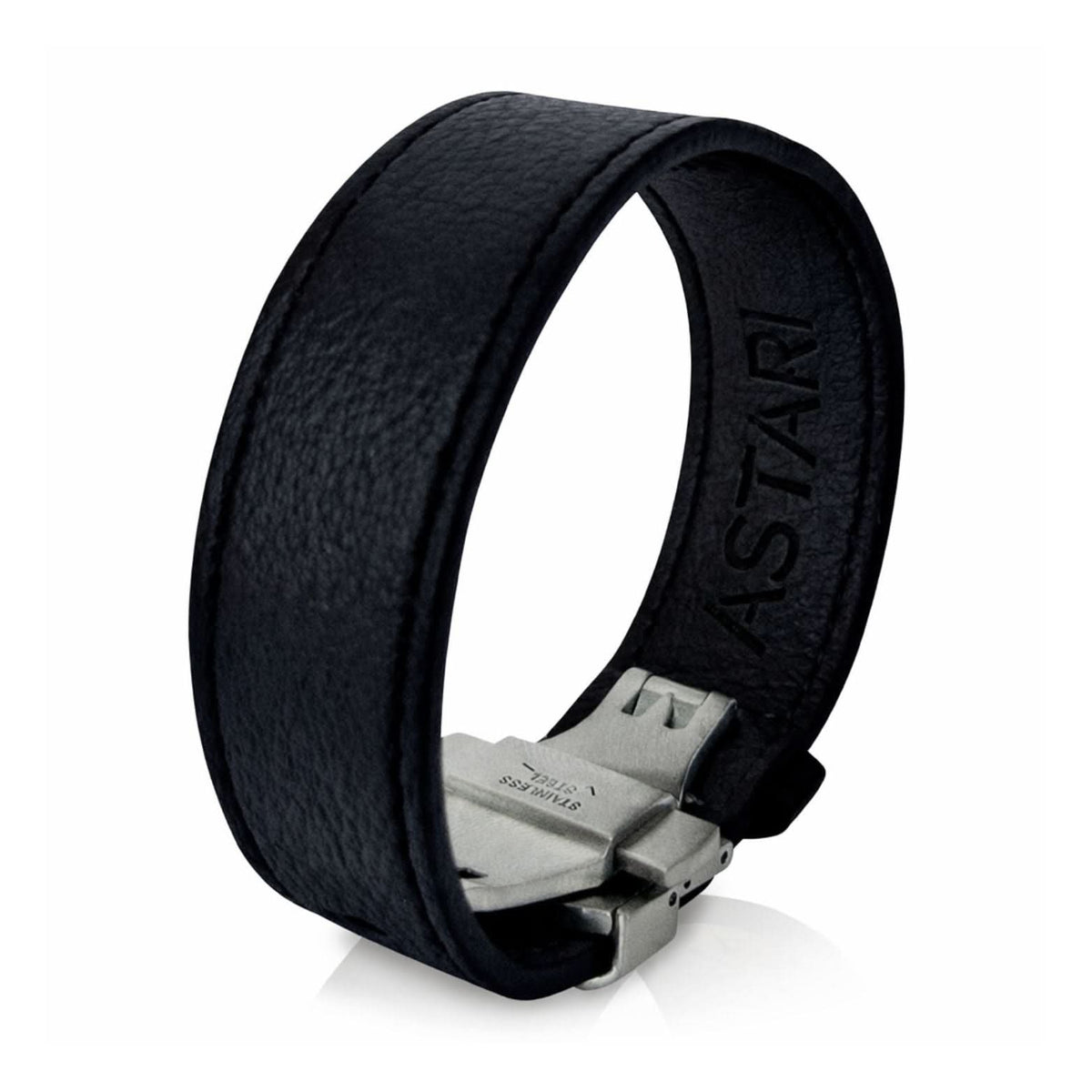
This is why it is used in phones, cards, and increasingly in wearable devices like payment rings.
If you are considering using one, you can explore the payment rings collection.
From technical layer to everyday experience
At a technical level, the difference between NFC and RFID is clear.
One is designed for detection. The other for secure interaction.
But for the end user, that difference shows up in a much simpler way.
You tap, and it works.
You do not think about frequency ranges, protocols, or encryption layers.
You just experience something that is fast, reliable, and secure.
And that simplicity is exactly what the technology is designed to achieve.
FAQ
What is the main difference between NFC and RFID
NFC is a short range, secure form of RFID designed for controlled interaction, while RFID can operate over longer distances.
Do payment rings use NFC technology
Yes. Payment rings use NFC because it supports secure, encrypted contactless payments.
How secure is NFC for payments
NFC uses encryption, tokenization, and short range communication, making it one of the most secure contactless payment methods.
Can someone read my NFC device from a distance
No. NFC requires very close proximity, usually a few centimeters, to function.
Why do payment rings not need a battery
They use passive NFC, which is powered by the payment terminal during the transaction.
Are NFC payments the same as contactless card payments
Yes. They use the same infrastructure and security systems as contactless bank cards.