Pierścienie do noszenia umożliwiające płatności zbliżeniowe we Włoszech
Contactless payments are becoming a natural part of everyday life in Italy.
From ordering an espresso in Rome to shopping in Milan or exploring cities like Venice, tapping your card is often the fastest way to pay.
That is exactly why payment rings are starting to stand out.
They do not introduce a new system.
They simplify the one already in place.
What is a payment ring
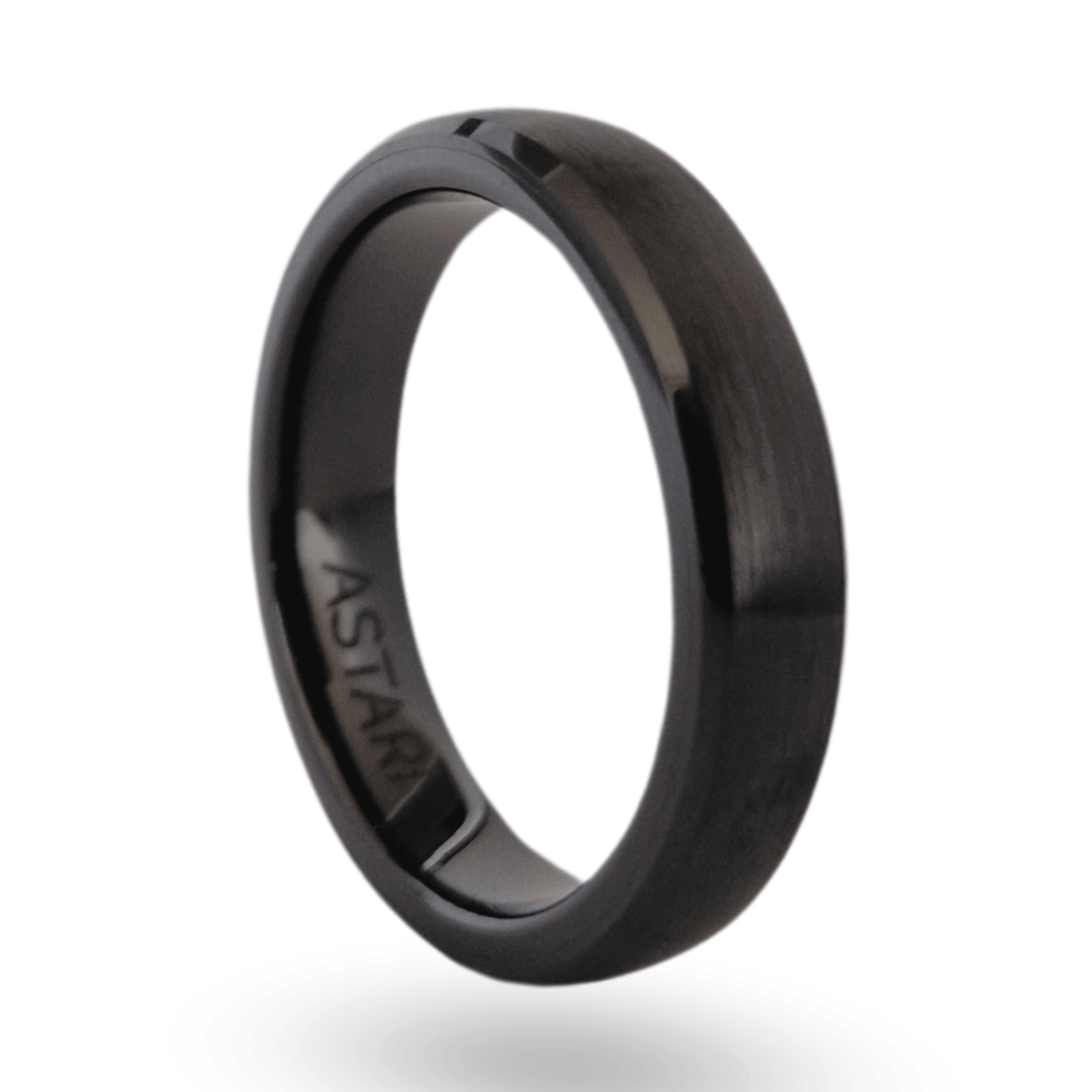
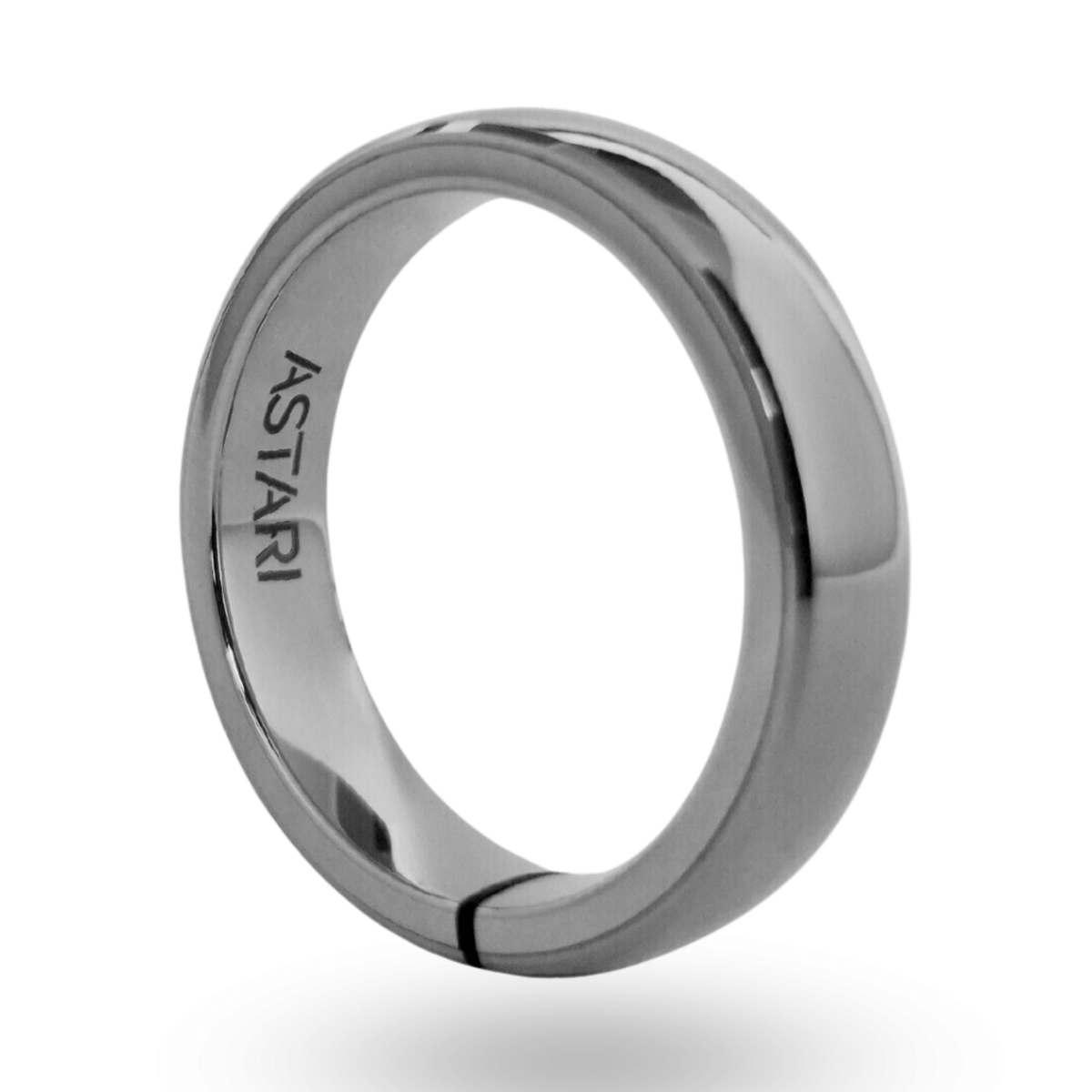
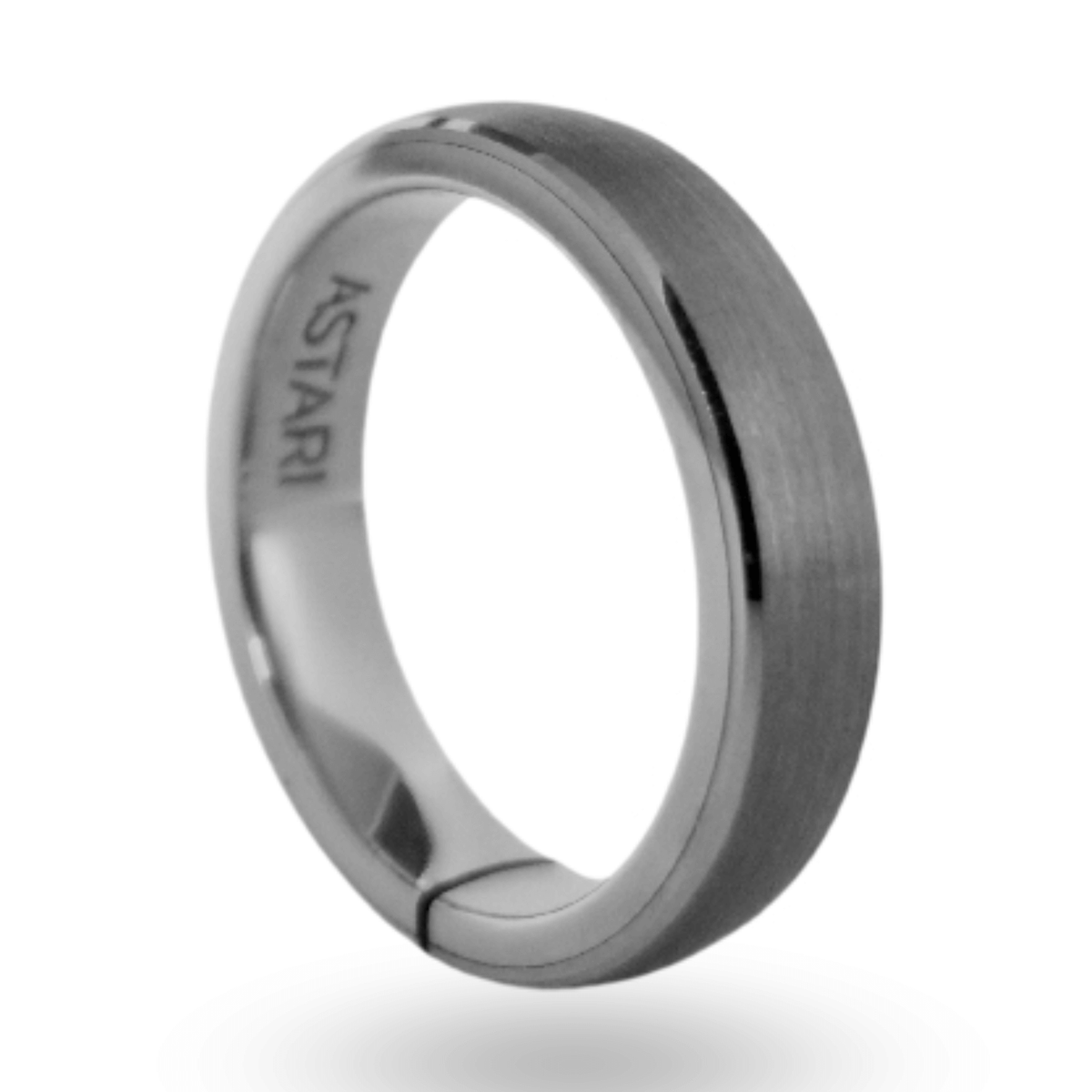
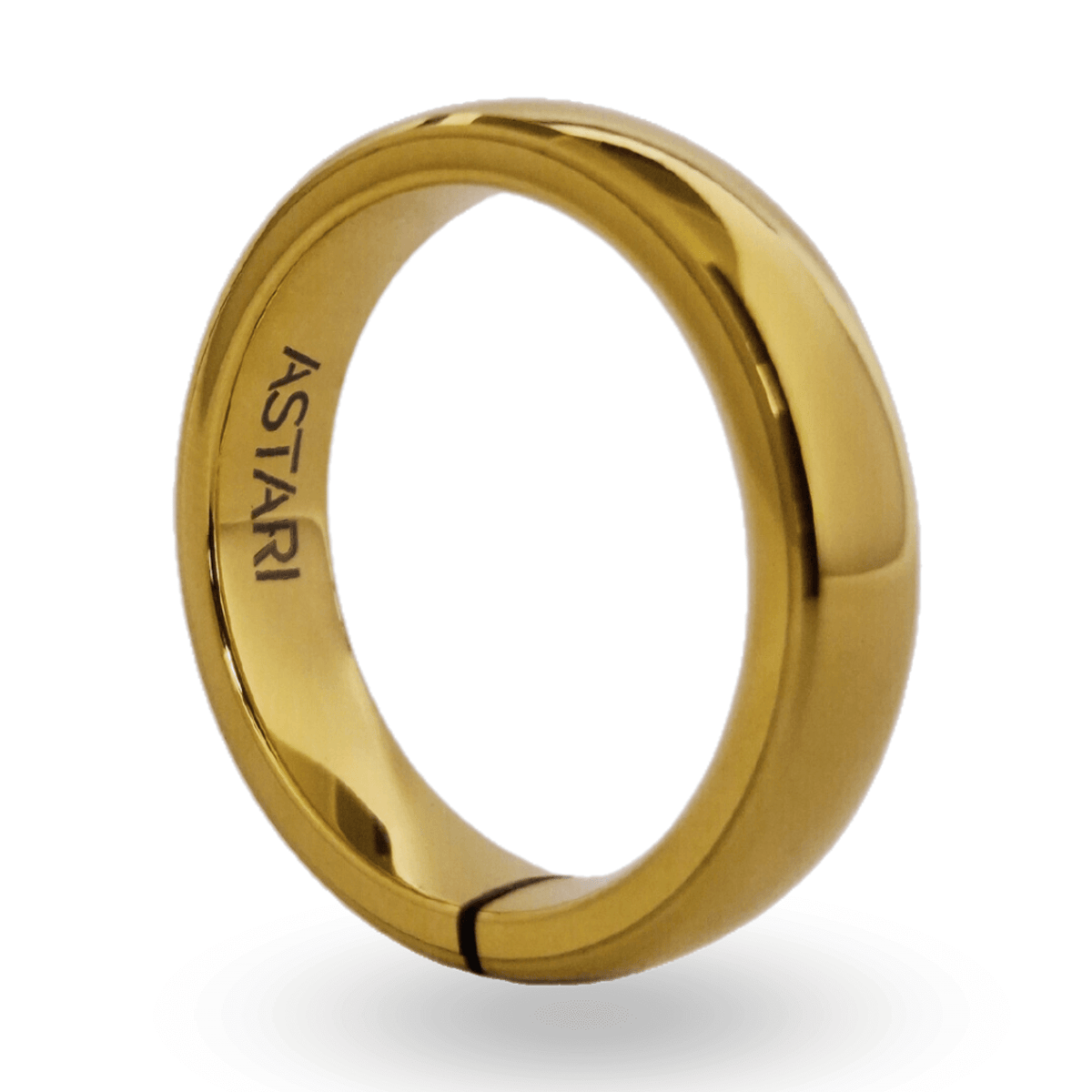
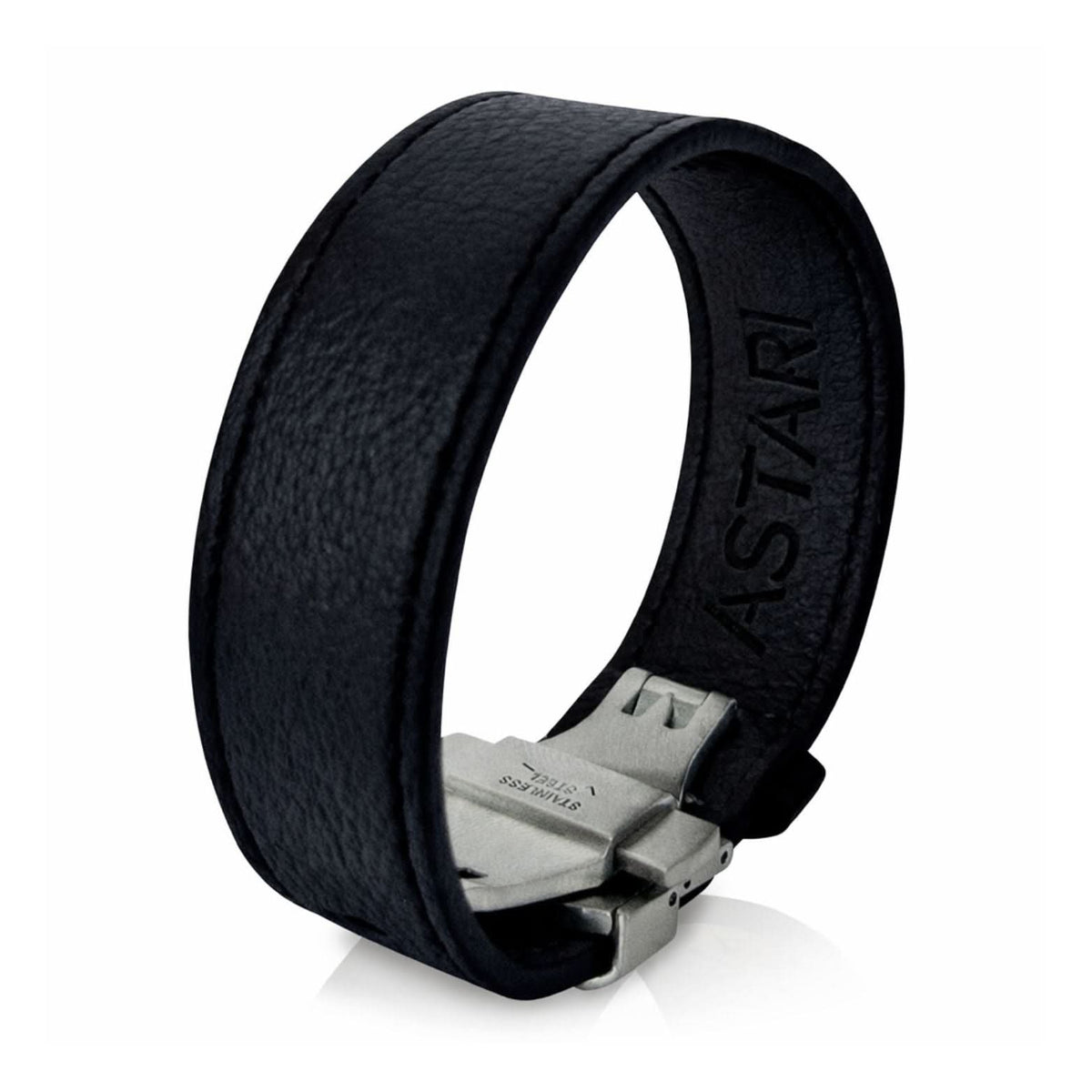
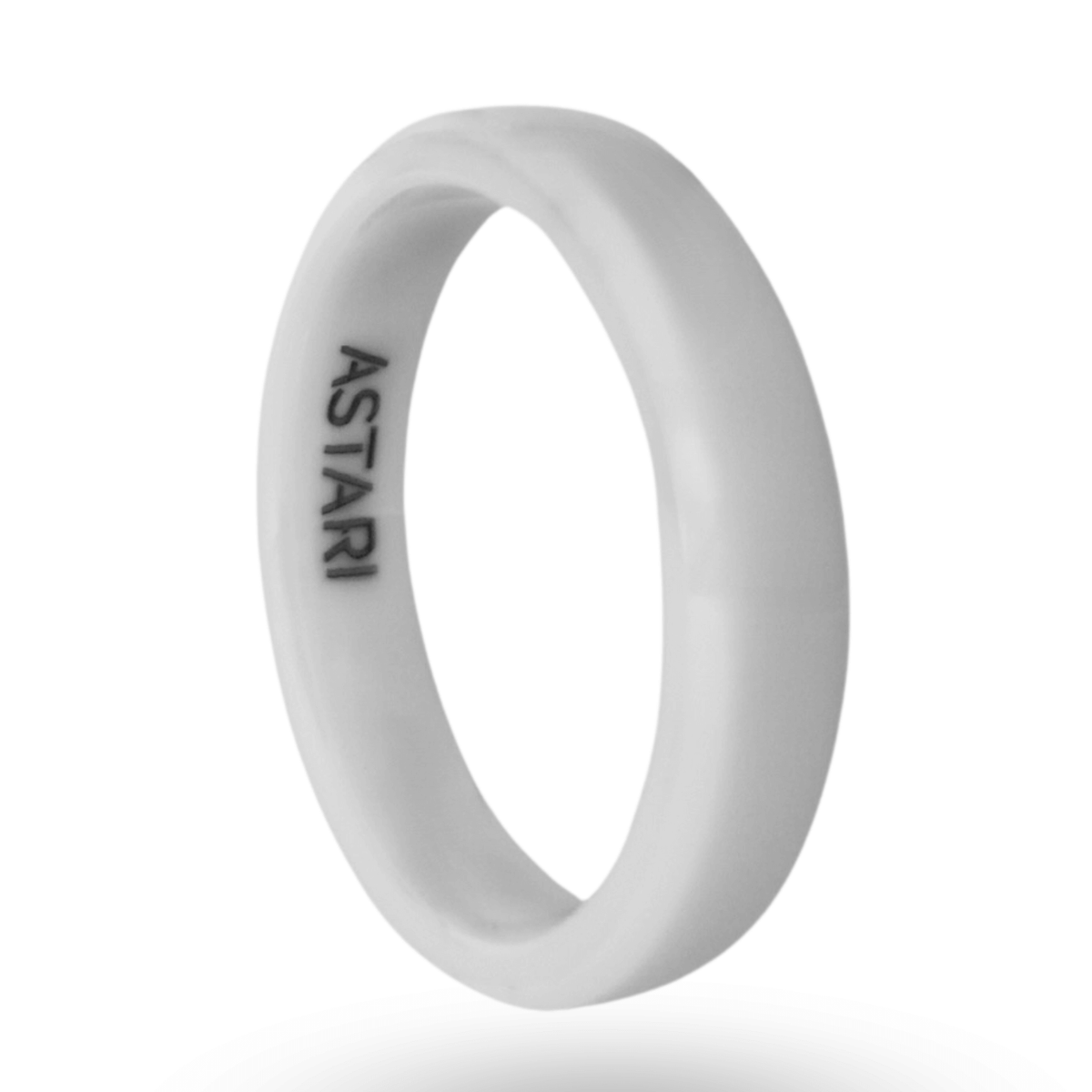
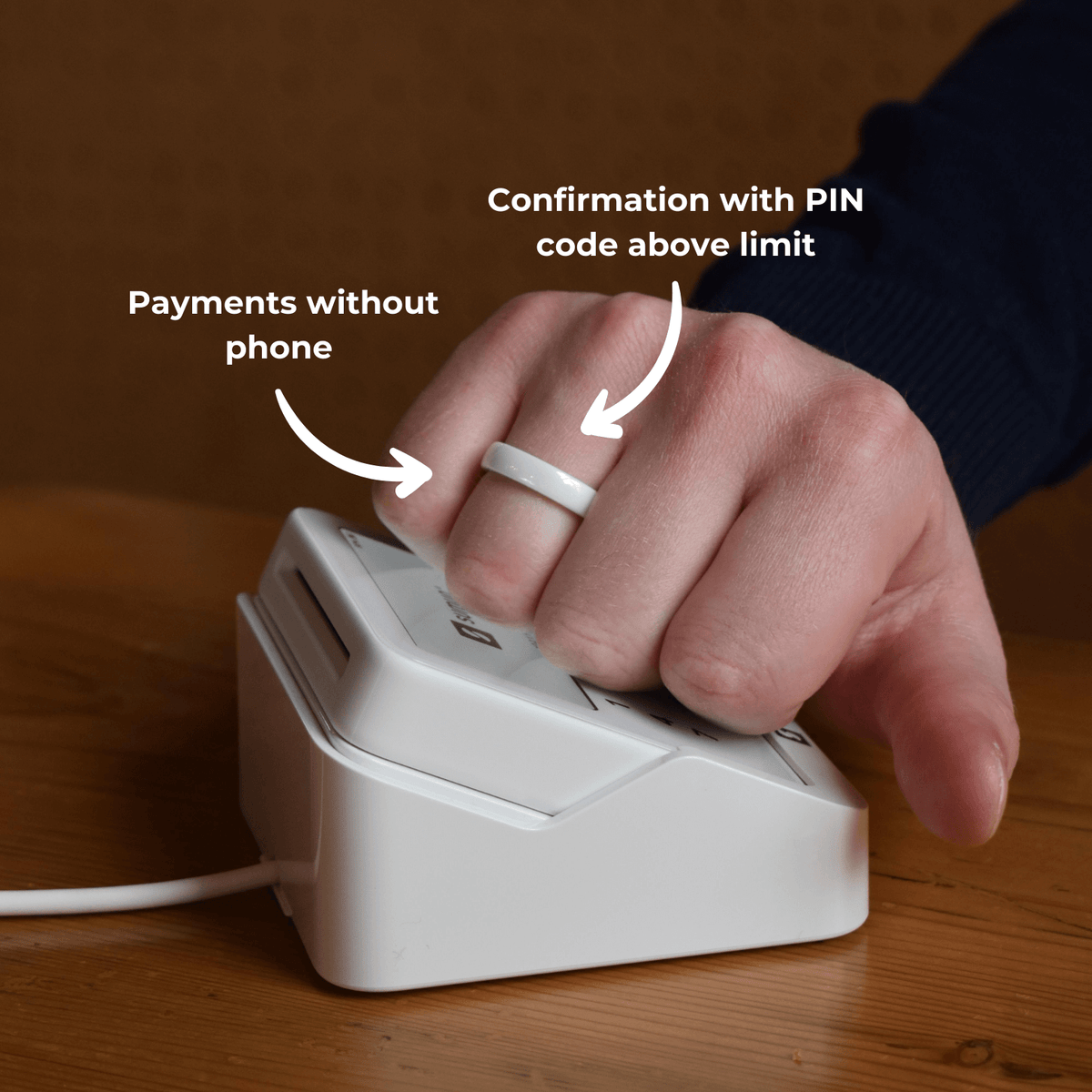
A payment ring is a wearable that allows you to make contactless payments using the same system as your bank card.
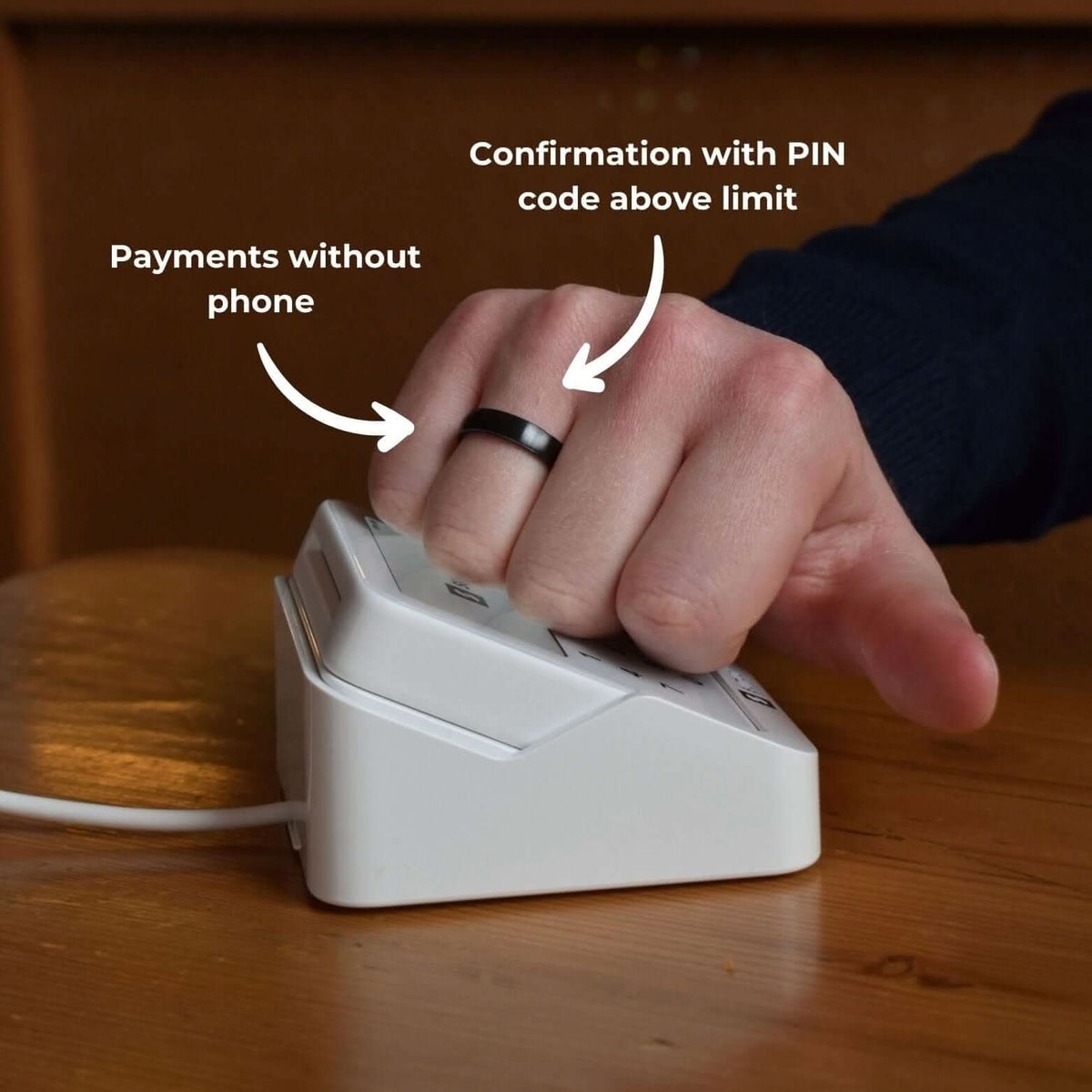
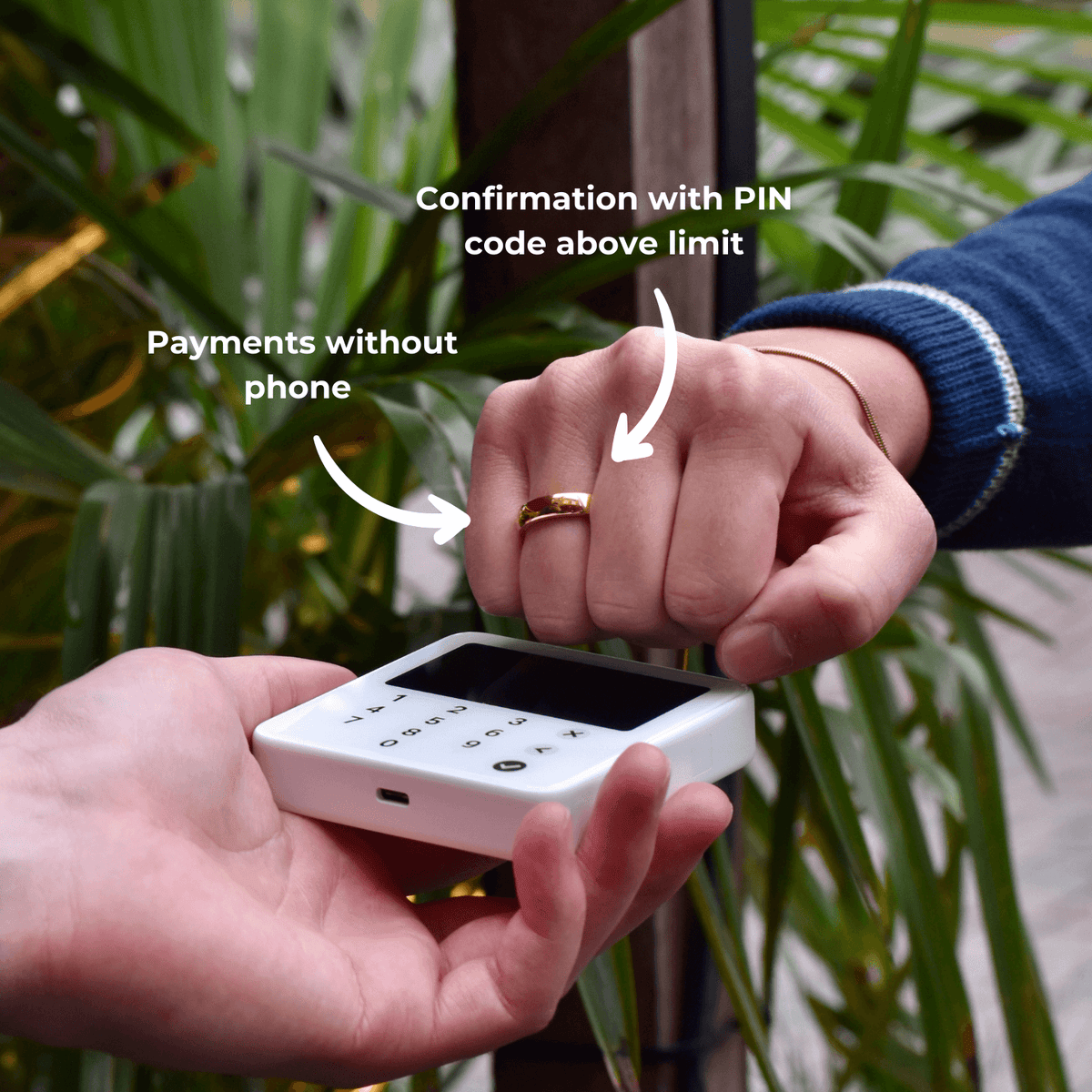
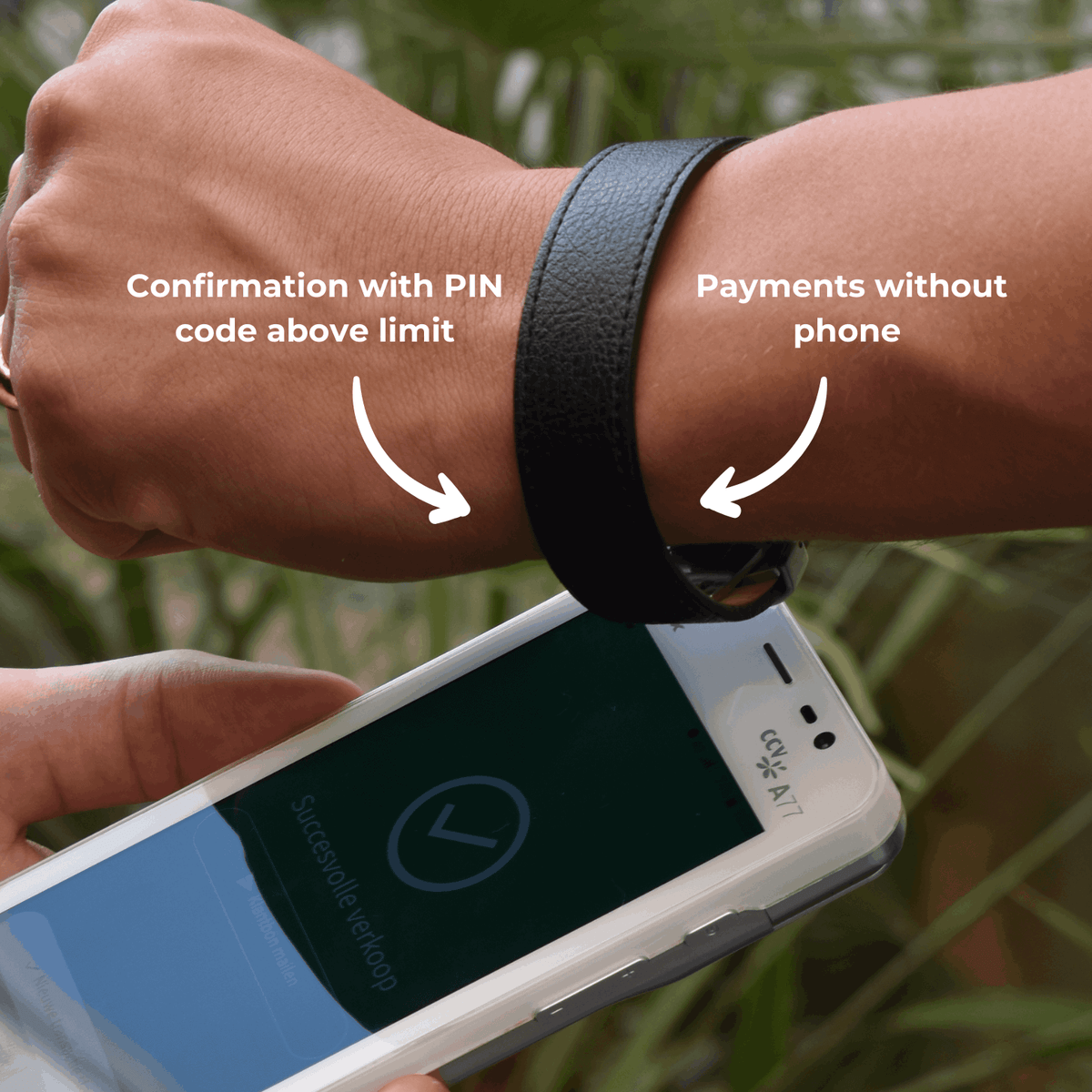
Inside the ring is a secure NFC chip. When you bring your hand close to a payment terminal, the transaction is completed instantly.
If you have ever tapped your card, you already understand how it works.
If you want a deeper explanation, you can read how a payment ring works.
The difference is simple.
You are already wearing your payment method.
Where you can use a payment ring in Italy
Contactless payments are widely accepted across Italy, especially in cities and tourist areas.
You can use a payment ring in cafés, restaurants, supermarkets, and most retail stores.
In places like Milan and Rome, contactless payments are already standard.
In practice, if you can tap your card, you can use a payment ring.
Paying in everyday Italian situations
The value becomes clear in real moments.
Paying for a coffee. Shopping in busy streets. Moving through your day without needing to take your wallet out.
Or simply paying quickly while traveling or enjoying time outdoors.
It is not about changing your habits.
It is about removing a step.
If you want to explore this further, you can read how to pay without a wallet or phone.
Supported banks in Italy
Payment rings work with major international payment networks used in Italy.
Some banks support direct connection, while others can be linked through Curve.
Curve allows you to connect your existing debit or credit cards and use them through your wearable.
This means you can continue using your current bank account.
You can check the supported banks page for compatibility.
If needed, you can follow the setup guide.
Why people in Italy are starting to switch
Payments are becoming faster and more digital.
People expect convenience in everyday transactions.
A payment ring fits naturally into that shift.
No wallet. No phone. No extra step.
Just tap.
Over time, that simplicity becomes noticeable.
Security and reliability
Payment rings use the same secure infrastructure as contactless bank cards.
Transactions are encrypted, and your card details are replaced with secure tokens.
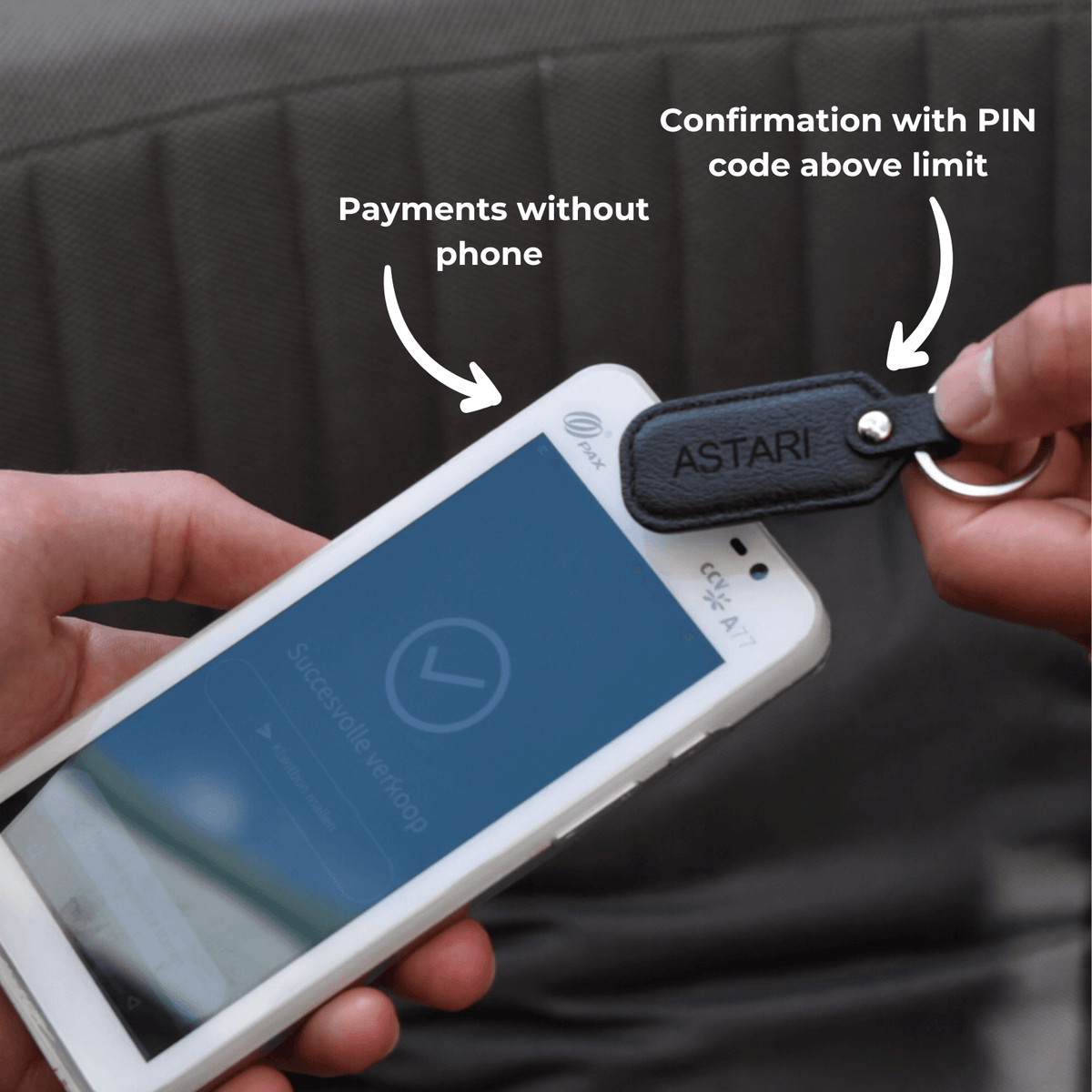
For higher payments, you enter your PIN on the terminal, just like you already do.
If you want to understand this more clearly, you can read how secure payment rings are.
From a user perspective, it feels exactly the same as paying with your bank card.
Choosing the right payment ring
Not all payment rings are built the same.
Material and durability matter, especially for something you wear every day.
Strong materials like tungsten provide better durability compared to lighter metals like stainless steel or titanium.
Thickness also helps protect the internal chip and ensures long term reliability.
If you want to compare options, you can read the best payment ring guide.
A simpler way to pay in Italy
At first, using a payment ring feels new.
But after a few uses, something changes.
You stop thinking about how you pay.
You just tap.
And in a country where contactless payments are widely used, that small difference fits naturally.
If you want to explore options, you can view the payment rings collection.
FAQ
Do payment rings work everywhere in Italy
They work anywhere that accepts contactless payments, especially in cities.
Do I need my phone to pay
No. Once set up, the ring works independently.
Is a payment ring safe to use
Yes. It uses the same secure systems as contactless bank cards.
What if my bank is not supported
You can use Curve to connect your card and still use your payment ring.
Is a payment ring useful in daily life
Yes. It removes small steps and makes paying faster and more convenient.
Where is it most useful
In everyday payments like cafés, shops, and quick transactions where speed matters.